
What Type of Harness is Best For a Dog?
Best Type of Harness For a Dog

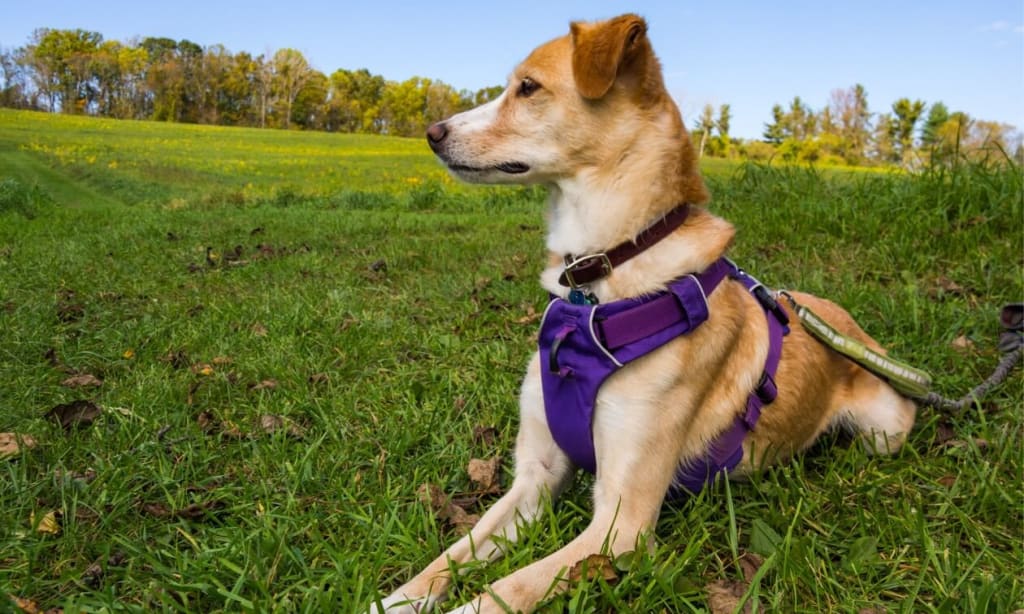
A dog harness is a must-have item for any responsible dog owner. It provides the necessary safety and comfort to your pet during walks while allowing better control. However, there are numerous types of harnesses available in the market. So, choosing the right one for your pet is not that easy. Let's explore some of the popular types of dog harnesses, their benefits, and how to choose the best one according to your pet's needs.
Why a Harness for Dogs is Better Than a Collar
Harnesses distribute pressure more evenly across the chest and shoulders, making them a safer choice than collars, especially for dogs prone to pulling or those with delicate necks. They also offer better control for training and walking, reducing strain and improving your dog's overall experience.
Different Types of Harness for Dogs
Back-Clip Harness for Dogs
The most common is a back-clip harness. This one has the leash attachment point at the back of the dog. This is suitable for calm dogs that are already trained to walk on a leash properly.
Best For:
- Small to medium-sized dogs.
- Dogs with minimal pulling tendencies.
Benefits:
- Comfortable for daily use.
- Prevents the leash from tangling under the legs.
Drawbacks:
- Not ideal for dogs that pull.
Front-Clip Harness for Dogs
Front-clip harnesses have the leash attachment point on the chest. This design is most useful for leashed-pulling dogs as it refocuses their attention back to you.
Best For:
- Dogs in training.
- Large or energetic breeds.
Benefits:
- Very effective in discouraging pulling.
- Provides greater control when walking your dog.
Cons:
- Requires proper adjustment to avoid tangling.
Dual-Clip Harness for Dogs
The double-clip harness combines the best of the frontclip and back-clip harness. It features attaching to any part of the leash, and you can swap between these attachment points for versatility in walking or training situations.
Best For:
- Those who need flexibility in control
Benefits
- Maximum versatility
- Compatible with variously trained dogs
Drawbacks
- Little more confusing to use
Step-In Harness for Dogs
Step-in harnesses are for those dogs that might not like a harness slipped over their heads. This design enables the dog to step into the harness, and then buckles secure it in place.
Best For:
- Anxious or shy dogs.
Benefits:
- Easy to put on for some dogs.
- Comfortable and lightweight design.
Drawbacks:
- Little control for heavy pullers.
No-Pull Harness for Dogs
A no-pull harness is designed to discourage pulling. They usually have front attachments or extra straps that constrict a bit when the dog pulls.
Best For:
- Dogs that require leash training.
Benefits:
- Significantly reduces pulling.
- Improves leash manners over time.
Drawbacks:
- Requires proper adjustment for effectiveness.
Dog Mobility Harness
A mobility harness is designed for elderly, injured, or disabled dogs. It often includes additional handles for supporting or lifting the dog.
Best For:
- Senior dogs or those recovering from surgery.
Advantages:
- Additional support.
- Assists in increased mobility.
Disadvantages:
- Bulkier than regular harnesses.
- How to Choose the Best Harness for Dogs
How to Choose the Best Harness for Dogs
1. Measure Your Dog Accurately
A harness must fit snug but not too tight. Measure your dog's chest and neck circumference to find the right size.
2. Consider Your Dog's Needs
- For training, go for a no-pull harness or a front-clip harness.
- For walking, a back-clip harness is best.
- If your dog is older or recovering, a mobility harness would be best.
3. Material and Durability
The harness should be made of durable, breathable material such as nylon or neoprene. It should have strong stitching and sturdy buckles that can last long.
4. Adjustability Counts
An adjustable harness will always ensure a proper fit for all shapes and sizes of dogs. A harness that has multiple adjustment points will prevent chafing and slipping.
Benefits of Harness for Dogs
- Safety: It prevents an injury that occurs in pulling a collar.
- Control: There is better control when walking or training.
- Comfort: It will minimize the tension around sensitive places like the neck and throat.
- Improves Behavior: This discourages some bad behavior of pulling or lunging.
Recommended Harness Brands
- Ruffwear: These people offer the best-quality outdoor harness.
- Kurgo: Durable and versatile are some of their designs.
- Blue-9: It is also famous for fully adjustable Balance Harness.
- Petsafe: Specialized no-pull solutions.
Harness Fitting in Dogs
- Begin with proper measurement: Take your dog's chest girth and neck measurement using a soft tape.
- Tighten the Straps: Ensure the harness fits tightly so that it will not hamper the movement.
- Look for Friction: Take a short walk and watch your dog closely so that it will not cause friction to their skin.
Conclusion
The choice of harness for dogs depends on the size, behavior, and specific needs of your dog. Whether you need a no-pull harness for training, a back-clip harness for casual walks, or a mobility harness for an aging companion, there is an option to suit every dog. Investing in a high-quality harness ensures your pet's safety, comfort, and enjoyment during daily outings.
About the Creator
Shaggy Dawg
Shaggy Dawg is dedicated to providing luxury pet supplies that keep your furry friends happy and healthy. We offer a wide range of grooming essentials, nutritious treats, and accessories designed to cater to your pet’s needs.
Keep reading
More stories from Shaggy Dawg and writers in Petlife and other communities.
Why Your Pet Deserves a Better Bed - Upgrade Their Sleep Today!
Give Your Pet the Comfort They Need Our pets are not simply animals; they are our own family members. Just like how we indulge in good-quality mattresses for ourselves, our pets too need the same level of comfort and support. A pet bed is not simply a bed where they rest—rather, it's crucial to their overall well-being, health, and happiness.
By Shaggy Dawg12 months ago in Petlife
The Summer I Was Chosen by a Northern Mockingbird
During the long, suspended days of the pandemic, a wild mockingbird began visiting my driveway and chose me, again and again. What started as a strange encounter became a brief, meaningful connection that I still carry with me.
By Erica Roberts 6 days ago in Petlife
Low-Maintenance Grooming Routines for Active American English Coonhounds
American English Coonhounds are known for their athletic build, boundless energy, and unmistakable baying voice. Originally bred for endurance and hunting, these dogs thrive on activity and adventure.
By Tenafly Veterinary Centre4 days ago in Petlife




Comments
There are no comments for this story
Be the first to respond and start the conversation.