
What is the difference between russian blue and siberian kittens?
When it comes to finding the ideal feline companion, breed matters — especially when the differences between two breeds are as striking as those between the russian blue cat and siberian kittens.
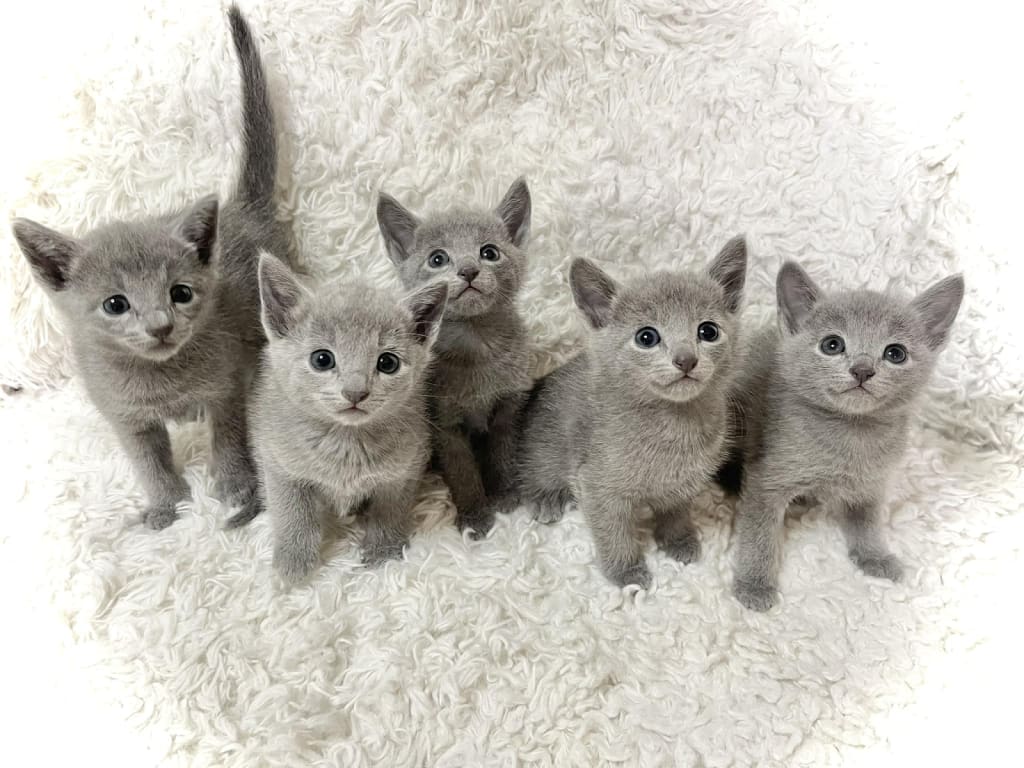
Both are known for their beauty, intelligence, and affectionate nature, but they offer very different experiences in terms of personality, appearance, and care requirements. If you've been scrolling through listings for a Russian Blue cat for sale or considering bringing home one of those fluffy siberian kittens, it’s important to know what sets these breeds apart.
In this guide, we’ll explore everything from coat type and grooming needs to temperament and activity levels to help you choose the best match for your lifestyle.
Appearance: sleek elegance vs. fluffy majesty
Russian blue
The russian blue is the epitome of feline grace and elegance. These cats have a slim, fine-boned, muscular build with long legs and a narrow, aristocratic face. Their most recognizable feature is their stunning coat — short, dense, and plush with a silvery-blue sheen that seems to shimmer under light. Combine that with their vivid green eyes and you’ve got a cat that looks like it stepped out of a royal portrait.
The russian blue’s double coat is particularly unique — it feels soft like velvet and stands out from the body slightly, giving them a soft halo effect. It’s also hypoallergenic to some extent, which makes them a popular choice for allergy sufferers.
Siberian kitten
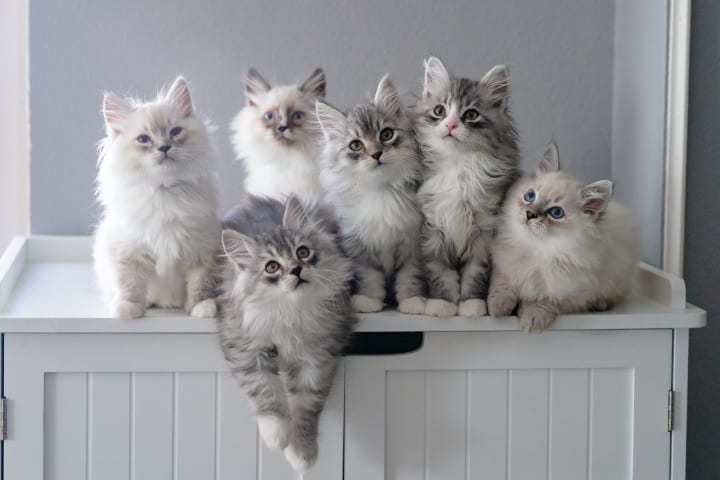
On the other end of the spectrum, we have the siberian kitten — a fluffy ball of energy that grows into a majestic, long-haired adult. Siberians are medium to large cats with a sturdy, muscular build and a triple-layered coat designed to withstand the freezing Russian winters. Even as kittens, their thick fur and bushy tails give them a cozy, wild appearance.
Siberians come in a wide variety of coat colors and patterns, including tabby, solid, colorpoint, and more. Their expressive, round eyes can be gold, green, or a striking blue (especially in colorpoint varieties). Where russian blues are sleek and subtle, siberians https://www.kittensup4sale.com/siberian are robust and bold.
Temperament: reserved affection vs. warm social butterfly
Russian blue
Russian blues are often described as the quiet intellectuals of the cat world. They’re gentle, intelligent, and reserved — especially around strangers. It might take a russian blue some time to warm up to new people or environments, but once they bond with their human, they are deeply loyal and affectionate.
They prefer calm, structured surroundings and tend to form strong attachments to one or two people in the household. They enjoy routine and are not fans of loud, chaotic spaces. Though not overly vocal, they communicate through soft meows and expressive body language. Russian blues are content to observe from a distance before joining the action.
Siberian kitten
Siberians are the life of the party — social, affectionate, and adaptable. Even as kittens, they are outgoing and curious, and they tend to get along well with kids, other cats, and even dogs. These cats are known for their playful, dog-like behavior — they’ll follow you from room to room, greet you at the door, and happily engage in games or cuddles.
Despite their fluffy, regal appearance, siberians are not aloof in the slightest. They thrive in busy households and are incredibly resilient to change. Their friendly and fearless nature makes them excellent companions for families and first-time cat owners alike.
Grooming needs: low maintenance vs. weekly care
Russian blue
Don’t let their plush coats fool you — russian blues are surprisingly low-maintenance. Their short double coat does not mat easily and only requires brushing once or twice a week to remove loose hairs and keep the coat shiny. They’re very clean animals and do an excellent job of grooming themselves.
In addition to coat care, a russian blue’s grooming needs are basic: regular nail trimming, ear cleaning, and dental hygiene will keep them looking and feeling their best.
Siberian kitten
Siberian kittens, on the other hand, will need a bit more grooming attention as they grow. Their dense, triple-layered coats can be prone to matting if not brushed regularly. During seasonal shedding periods (spring and fall), you may need to brush them daily to prevent tangles and hairballs.
Despite the fluff, their fur is water-resistant and relatively dirt-repellent, so full baths are rarely needed. As with any breed, routine ear cleaning, nail trimming, and dental care are essential.
Intelligence and trainability
Both breeds are highly intelligent and trainable, but they express it in different ways.
Russian blues are problem-solvers who enjoy quiet puzzles and interactive toys. They may take a bit longer to explore new objects or learn new tricks, but once they do, they rarely forget. Their intelligence often shows in their ability to sense moods and their preference for structure and predictability.
Siberians are fast learners and love interactive play. They can learn tricks, open doors, and solve complex food puzzles. Their intelligence is paired with a confident, playful demeanor, making them natural entertainers. If you want a cat that can learn commands or even walk on a leash, the siberian is a strong candidate.
Health and lifespan
Russian blue
Russian blues are generally healthy cats with few genetic issues. With good care, they can live well into their late teens. Some may be prone to bladder stones or urinary tract issues, so a high-quality diet and regular vet checkups are important.
Siberian Kitten
Siberians are also considered a healthy and hearty breed. However, they can be prone to hypertrophic cardiomyopathy (HCM), a common feline heart condition. Reputable breeders test for this, but it’s still something to be aware of. Like the russian blue, a well-cared-for siberian can live 12–15 years or more.
Activity levels
Russian blues are moderately active. They enjoy bursts of play, especially with their favorite humans, but also appreciate downtime and quiet environments. They do well in apartments or small homes, as long as they have a few cozy spots to claim as their own.
Siberians are much more physically active. These cats love to climb, jump, and explore. A tall cat tree, interactive toys, and regular play sessions are essential for keeping them mentally and physically stimulated. They do best in environments where they can stay busy.
So, what’s the difference between a russian blue cat and a siberian kitten? In essence:
- Appearance: Russian blues are sleek and shimmering; siberians are large, fluffy, and majestic.
- Personality: Russian blues are quiet and reserved; siberians are social and playful.
- Grooming: Russian blues are low-maintenance; siberians require regular brushing.
- Activity: Russian blues enjoy a calm routine; siberians need stimulation and play.
- Best for: Russian blues suit calm, quiet households; siberians thrive in active, social homes.
Whether you're drawn to the dignified presence of a russian blue or the warm, bold energy of a siberian kitten, both breeds offer something special. Take the time to understand their needs and quirks, and you’ll find the perfect feline match for your heart and home.
About the Creator
Keep reading
More stories from Mykola Sakun and writers in Petlife and other communities.
How to Create a Web3 Wallet for a Product?
Most brands use ready-made cryptocurrency wallets, integrating them into their system. However, there is another situation when a project, most often already working in the blockchain sphere, understands that creating a Web3 wallet would bring many conveniences to its audience.
By Mykola Sakun11 months ago in Trader
A Dart at Dusk
Seconds ago, the sullen sun set on the two of us… my exuberant furry companion and me. A fresh breeze embraces us, delivering welcome relief from the day’s oppressive heat. His typical stumbling and staggering along — apace with a sloth — has turned into trip-trapping, high-stepping, almost skipping along.
By Angie the Archivist 📚🪶7 days ago in Petlife
What Is Your Puppy Trying to Tell You With Those Eyes?
The Science Behind Puppy Eye Contact—and Why It Speaks Louder Than Words --- You’ve seen it a hundred times. Your puppy sits across the room, head slightly tilted, ears perked, eyes locked onto yours. A soft whine or tilt of the head accompanies the gaze. It’s mesmerizing, almost magical—but it’s more than cuteness. Your puppy is communicating something profound, complex, and entirely intentional.
By Ahmed aldeabella5 days ago in Petlife
Smart phones, Humans and Aliens.
WARNING. I will be tapping into one of your favorite creative tensions: The absurdity of humans worshipping their glowing rectangles as if they were tiny oracles. There’s something deliciously poetic about that contradiction, and it lends itself beautifully to an instructive proviso.
By Novel Allen5 days ago in Poets



Comments
There are no comments for this story
Be the first to respond and start the conversation.