
What is the best wormer for horses?
Read this blog to know - What is the best wormer for horses?

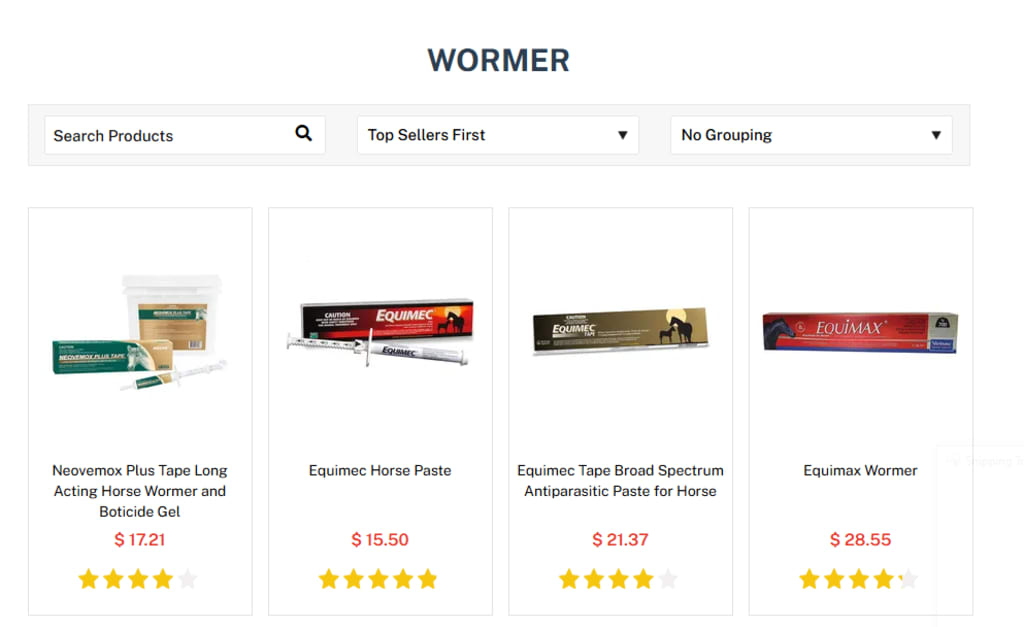
What Is the Best Wormer for Horses?
Parasites may be tiny, but they can cause massive trouble in your horse’s body. Whether you're a new horse owner or an experienced equestrian, understanding wormers is essential to keeping your horse healthy. Let's dive into the world of equine deworming and find out which wormers truly stand out as the best. Order the best horse wormers!
Introduction to Horse Worming
Why Worming Is Crucial
Think of internal parasites as silent invaders. They're easy to overlook until your horse starts showing signs like weight loss, colic, or a dull coat. Worming keeps these pests in check and your horse in peak condition.
Common Internal Parasites in Horses
Horses can play host to a variety of parasites — here are the most common culprits:
Roundworms (Ascarids)
Mostly affecting young horses, roundworms can lead to blockages and stunted growth if not addressed early.
Tapeworms
These attach to the gut lining, potentially causing colic and poor nutrient absorption.
Bots
Botflies lay eggs on your horse’s coat; once ingested, they develop into larvae in the stomach.
Strongyles
The worst offenders, especially large strongyles, which migrate through organs and can cause severe damage.
Types of Horse Wormers
Oral Pastes and Gels
These are the most popular form of wormers. Easy to administer and available in pre-measured syringes.
Granules and Feed-Through Wormers
Ideal for picky eaters, these are mixed with feed for stress-free administration.
Injectable Wormers
Less commonly used, injectables are typically administered by vets for specific cases.
Active Ingredients and Their Uses
Let’s break down the main active ingredients you’ll find in wormers and what they target:
Ivermectin
Kills a broad spectrum of parasites including bots and strongyles.
Moxidectin
Similar to ivermectin but with longer residual activity. Effective against encysted small strongyles.
Fenbendazole
Great for targeting roundworms and encysted strongyles. Often used in a 5-day PowerPac form.
Pyrantel Pamoate
Effective against roundworms and tapeworms when used at double doses.
Praziquantel
Specialized for tapeworm control. Often combined with ivermectin or moxidectin.
Best Wormers Based on Parasite Type
Best Wormer for Roundworms
Panacur (Fenbendazole) – Gentle yet effective, especially in foals.
Best Wormer for Tapeworms
Equimax or Quest Plus – Contain praziquantel, the key ingredient for tapeworms.
Best Wormer for Bots
Zimecterin Gold – Covers bots along with many other parasites.
Best Wormer for Strongyles
Moxidectin (Quest) – Especially effective against encysted small strongyles.
The Importance of Rotational Deworming
Avoiding Resistance
Using the same wormer repeatedly? That’s like giving parasites a free training session. Rotating wormers based on active ingredients helps prevent resistance.
Seasonal Deworming Schedules
Most horses are dewormed every 8 to 12 weeks, but this can vary. Use fecal egg counts to guide your deworming schedule based on actual need rather than guesswork.
Prescription vs. Over-the-Counter Wormers
What’s the Difference?
OTC wormers are effective but come with limitations. Prescription wormers may offer broader coverage or treat specific infestations.
When to Consult a Vet
If your horse is losing weight, has colic symptoms, or you're unsure about resistance issues, talk to your vet. They may recommend fecal testing or targeted treatments.
If your horse shows these signs, it's probably time to check for parasites.
Conclusion
Choosing the best wormer for your horse isn't about picking a fancy label—it's about understanding your horse's needs, knowing what parasites you’re dealing with, and making informed choices. By rotating wormers, monitoring fecal egg counts, and working closely with your vet, you’ll keep your horse healthy, happy, and parasite-free.
FAQs
Q1: How often should I worm my horse?
Most adult horses need worming 2–4 times a year, but frequency should be based on fecal egg counts.
Q2: Can I use the same wormer all year round?
No, rotating between different classes of wormers helps prevent resistance.
Q3: How do I know if my horse has worms?
Weight loss, dull coat, diarrhea, and poor performance are common signs.
Q4: Are natural dewormers effective?
They may offer some benefits but are not as effective as vet-approved chemical wormers.
Q5: Is it safe to worm pregnant mares?
Yes, but always consult your vet to choose the right product and timing.
About the Creator
Thomas Muller
VetSupply is a leading online pet store in Australia with a comprehensive range of products that cater to all your pet care needs.
Keep reading
More stories from Thomas Muller and writers in Petlife and other communities.
The Politics of Playing Dress-Up
Well, to start off I'd like to say a happy world book day to all who celebrate. I know I haven't really posted anything on my socials about it but I'm not a jubilant kind of person. I lay low most of the time. Let's start off with a popular anecdote from the vaults...
By Annie Kapur4 days ago in Geeks



Comments
There are no comments for this story
Be the first to respond and start the conversation.