
What is the Best Treatment for Fleas on Cats?
Read this blog to know - What is the Best Treatment for Fleas on Cats?

If your cat’s been scratching like there’s no tomorrow—or you spotted tiny black specks in their fur—yep, you might be dealing with fleas. It’s not just annoying for your feline friend—it can lead to real health issues. So let’s break down how to kick fleas to the curb and keep them from coming back.
Why Flea Control Matters
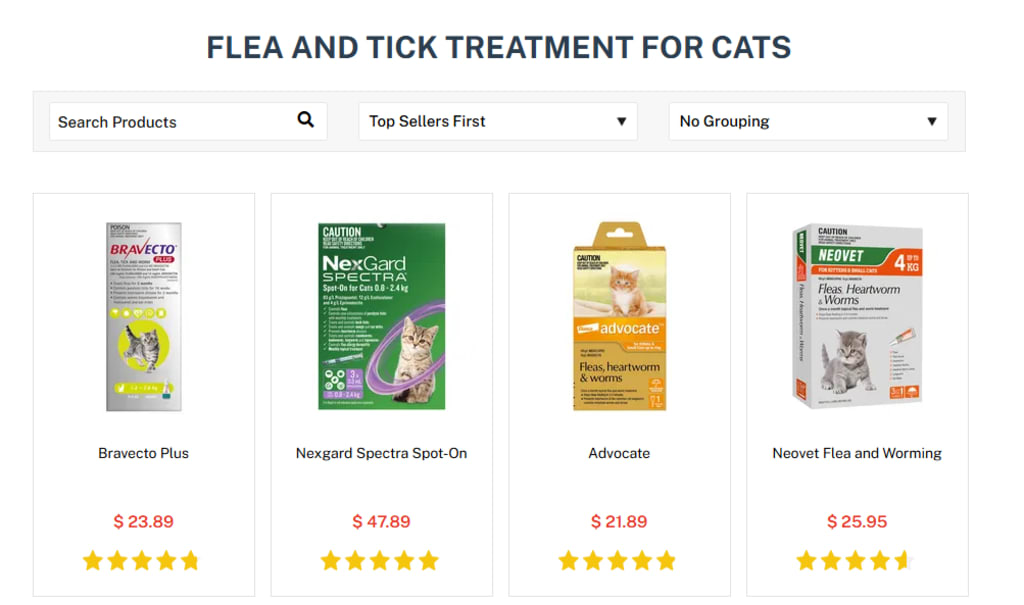
Fleas aren’t just creepy crawlers. They can cause skin problems, spread diseases, and turn your peaceful home into a flea circus. Staying ahead of the game is key. Check for the best cat flea treatment products!
Common Signs Your Cat Has Fleas
Non-stop scratching or biting
Hair loss or scabs
Flea dirt (tiny black dots) in fur
Pale gums (in severe cases)
Understanding the Flea Life Cycle
Knowing the enemy is half the battle.
Egg Stage
Fleas lay eggs on your cat, but they quickly fall off into your home—like your carpet or couch.
Larvae and Pupae
These tiny guys hide in dark, cozy places, feeding on flea dirt and organic matter.
Adult Fleas and Infestation Risks
Once grown, adult fleas hop onto your pet, feed, and the cycle begins again. Fast.
Risks of Untreated Fleas on Cats
Fleas are more than a nuisance—they’re a health risk.
Skin Allergies and Irritation
Some cats are allergic to flea saliva, which causes flea allergy dermatitis (FAD).
Flea-Borne Diseases
Fleas can transmit tapeworms and cat scratch disease. Yikes.
Flea Anemia in Kittens
Fleas can suck so much blood that it causes anemia, especially in kittens or small cats.
Topical Flea Treatments
These are liquid solutions applied between your cat’s shoulder blades.
How They Work
They spread through your cat’s skin oils and kill fleas on contact.
Best Brands
Advantage II – Kills fleas at all life stages.
Frontline Plus – Long-lasting protection.
Revolution – Also protects against ear mites and heartworm.
How to Apply Safely
Always part the fur and apply directly to the skin. Don’t bathe your cat for 48 hours after application.
Oral Flea Medications
Great for cats who hate anything on their fur.
Fast-Acting Flea Pills
Products like Capstar can kill fleas within 30 minutes.
Monthly Preventative Tablets
Options like Comfortis or Bravecto offer long-term control.
Pros and Cons
Pro: No mess.
Con: Some cats may vomit or resist taking pills.
Flea Collars for Cats
Not all collars are created equal.
How Effective Are They?
High-quality collars like Seresto can work for up to 8 months.
Safety Considerations
Ensure it has a breakaway feature. Avoid products with harsh chemicals.
Choosing the Right Flea Collar
Look for collars with IGRs (Insect Growth Regulators) for complete protection.
Flea Shampoos and Sprays
Good for instant relief, especially during a heavy infestation.
When to Use Them
Use if your cat is crawling with fleas or as a supplement to other treatments.
How Often to Bathe
Once every couple of weeks if needed—but don’t overdo it. Cats aren't fans of water.
Natural vs. Chemical Formulas
Some shampoos use essential oils—safer, but not always as effective as vet-approved ones.
Natural Flea Remedies
Are They Really Safe?
Some are. But “natural” doesn’t always mean “harmless.”
Essential Oils, Vinegar, and Herbal Solutions
Lavender and cedar oil sprays can deter fleas—but consult your vet first.
Conclusion
Fleas are persistent pests, but with the right strategy, you can beat them. The best flea treatment for cats depends on your lifestyle, your cat’s personality, and your budget. Whether you go with a topical, pill, collar, or a natural route—just stay consistent and always treat your home too. Your kitty deserves a life free of itch!
FAQs
1. Can I use dog flea treatment on my cat?
No! Dog flea meds can be toxic to cats. Always use cat-specific products.
2. How long does it take for flea treatments to work?
Some oral meds act in 30 minutes; topicals usually take 24–48 hours.
3. Are flea collars safe for kittens?
Most aren’t recommended for kittens under 12 weeks. Check the label.
4. How do I know the fleas are gone?
No more scratching, no flea dirt, and nothing on the flea comb. Also, keep monitoring for a few weeks.
5. Can indoor cats get fleas?
Absolutely. Fleas can hitch a ride on shoes, clothes, or other pets.
About the Creator
Thomas Muller
VetSupply is a leading online pet store in Australia with a comprehensive range of products that cater to all your pet care needs.
Keep reading
More stories from Thomas Muller and writers in Petlife and other communities.
How to Use Dog Worming Tablets?
So, you've noticed your pup acting a bit off, and you're wondering—could it be worms? Yep, it’s a real thing, and it happens to the best of dogs. Worming is one of those not-so-glamorous but absolutely necessary parts of being a responsible dog parent.
By Thomas Muller11 months ago in Petlife
Are Lick Mats Actually Good For Dogs, Cats, and Small Pets?
If you have been to pet shops or online pet groups lately, you have likely seen the pet lick mat. These bright, bumpy rubber mats are a huge hit, and for good reason. Pet owners find that their dogs, cats, and small pets love them.
By Alice Adams7 days ago in Petlife
Wisteria Woo RIP
Wisteria Woo Silver~Rhodesian Ridgeback Cane Corso mix~ 7.19.15-3.2.26 My service dog, Wisteria, had been slowing down, having mysterious health symptoms like severe hives and unexplained injury. She went to the vet last month, but unfortunately, not all tests detect all problems. When we returned to the vet yesterday, upon much more concerning symptoms suddenly appearing, we learned she had a very large mass (10inx10in) likely the very aggressive hemangiosarcoma, and that we would only be buying a few months if we went through with treatment.
By K.B. Silver 2 days ago in Petlife
REEEEEEEEE!
I'm on a low road right now. There are a literal million things to do and not one of them worth my time. I would rather sit in place and burn but the orbit takes me on its inevitable route 'round the center; and I a center in my own right, around which others orbit, and so on and so forth, ad infinitum, ad nauseum.
By C. Rommial Butler4 days ago in Poets




Comments
There are no comments for this story
Be the first to respond and start the conversation.