
What is the best supplement for dogs joints?
Read this blog to know - What is the best supplement for dogs joints?

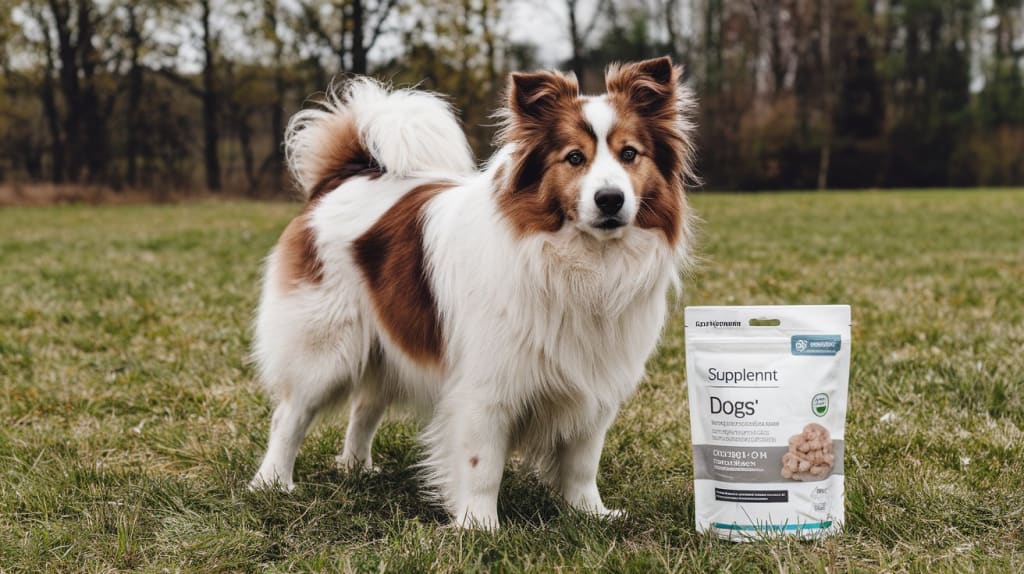
Let’s be honest—watching your dog struggle to get up, limp after a walk, or hesitate before jumping on the couch? It’s heartbreaking. Just like humans, dogs experience joint pain as they age, but the good news is, there are amazing supplements out there that can help keep their joints in great shape or even bring back the bounce in their step.
Whether you’ve got a senior Golden Retriever or a hyperactive young Lab, taking care of their joint health early on is key. So, what is the best supplement for dogs’ joints? Let’s dig into it.
Understanding Canine Joint Problems
Causes of Joint Issues in Dogs
Joint problems in dogs can stem from various causes. Some are born with genetic predispositions like hip or elbow dysplasia. Others develop issues over time due to aging, obesity, or injuries. Even repetitive stress from activities like running and jumping can take a toll.
Breeds More Prone to Joint Problems
Large breeds like German Shepherds, Labrador Retrievers, Golden Retrievers, and Rottweilers are more likely to face joint issues due to their size. But small breeds aren't immune—especially if they’re overweight or very active.
When to Consider Joint Supplements
It’s never too early to support your dog’s joints. Most vets recommend starting supplements as a preventive measure, especially for active dogs or those in high-risk breeds. If you’re noticing signs like stiffness, limping, or reluctance to climb stairs, it’s definitely time to consider them. Order the best joint supplements for dogs!
Types of Dog Joint Supplements
Glucosamine
Glucosamine is the MVP of joint supplements. It’s a natural compound found in cartilage and helps keep joints cushioned. It supports repair and maintenance of joint tissues and helps reduce inflammation.
Chondroitin
Often paired with glucosamine, chondroitin helps block enzymes that break down cartilage. It also boosts water retention in joints for better lubrication.
MSM (Methylsulfonylmethane)
MSM is a powerful anti-inflammatory and antioxidant. It supports flexibility, reduces pain, and promotes healing in connective tissues.
Omega-3 Fatty Acids
Found in fish oil, omega-3s are great for reducing inflammation. They also support heart and skin health, so you get multiple benefits in one go.
Hyaluronic Acid
This natural fluid in joints helps with lubrication and shock absorption. It’s especially helpful for dogs with arthritis.
Turmeric and Natural Anti-Inflammatories
Turmeric contains curcumin, a natural anti-inflammatory that’s become a buzzword in the dog supplement world. It’s great when combined with other joint-supporting ingredients.
Collagen
Collagen provides structure to bones, cartilage, and connective tissue. Hydrolyzed collagen supplements can help maintain and rebuild joint structure.
Top Recommended Joint Supplements for Dogs
Vet-Recommended Options
Cosequin and Dasuquin by Nutramax are widely recommended by vets.
VetriScience GlycoFlex series is another vet-trusted brand that offers stages depending on joint condition.
Natural and Organic Choices
Zesty Paws Mobility Bites with glucosamine, MSM, and turmeric are tasty and effective.
Doggie Dailies offer a mix of essential joint nutrients with a clean ingredient list.
Budget-Friendly Picks
PetNC Natural Care Hip and Joint Soft Chews offer solid support without breaking the bank.
VetIQ Hip & Joint Chews are another great value option with glucosamine and MSM.
Premium Options with Multiple Benefits
YuMOVE contains a blend of glucosamine, omega-3s, and hyaluronic acid, often showing results in weeks.
Paw OsteoCare or 4Cyte Canine (Australia/NZ) offer premium, vet-grade joint support.
How to Choose the Right Joint Supplement
Dog’s Age and Breed
Senior dogs or larger breeds benefit from supplements with multiple active ingredients. Puppies or young dogs in high-risk breeds can start with basic glucosamine.
Activity Level and Weight
Active or overweight dogs put more stress on their joints. Consider supplements with anti-inflammatory ingredients and weight management formulas.
Ingredients to Look For (and Avoid)
Stick to natural, vet-approved ingredients. Avoid artificial preservatives, sugars, and fillers. Always check for allergen warnings, especially if your pup has a sensitive stomach.
Dosage Forms – Chews, Tablets, Powder, Liquid
Chews are great for picky eaters. Powders and liquids mix easily with food. Tablets might be harder to give but can be more concentrated. Choose what works best for your dog’s habits.
Signs the Supplement is Working
Improved Mobility and Playfulness
If your dog is back to chasing balls or wagging more during walks, the supplement is likely doing its job.
Reduced Stiffness and Limping
You’ll notice less hesitation when they move, less limping after rest, and easier stair-climbing.
Vet Feedback and Physical Improvement
Your vet might observe muscle tone improvements or reduced joint inflammation during checkups.
Tips to Support Joint Health Naturally
Regular Low-Impact Exercise
Swimming, walking, and gentle fetch are great for joint health without adding strain.
Balanced Diet with Joint-Supporting Nutrients
Ensure your pup’s diet includes omega-3s, antioxidants, and lean protein. Some dog foods even contain added glucosamine.
Maintaining a Healthy Weight
Extra weight = extra stress on joints. Keep them lean with portion control and exercise.
Warm Bedding and Supportive Surfaces
Soft, orthopedic bedding and non-slippery floors can ease joint pressure.
When to See a Vet
Severe Pain or Sudden Limping
If your dog yelps, refuses to walk, or limps suddenly, visit a vet immediately.
No Improvement After Supplements
Sometimes supplements aren’t enough, especially in severe arthritis cases. Your vet might suggest medication, therapy, or surgery.
Need for Advanced Treatment or Surgery
Joint supplements are great, but they're not miracle workers. Some dogs may need more intensive care like injections, physical therapy, or even surgery.
Conclusion
Your dog’s joints do a lot more than you think—they carry them through every jump, run, and zoomie session. Giving them the right joint supplement can keep those joints healthy, strong, and pain-free for years to come. Whether you're going the vet-recommended route or looking for natural support, there’s a solution out there to match your dog’s needs.
FAQs
1. What age should dogs start joint supplements?
Many vets suggest starting around 1–2 years old for high-risk breeds, or once early signs of joint stress appear.
2. Are human joint supplements safe for dogs?
Not always. Some human supplements contain ingredients or doses unsafe for dogs. Always stick to pet-formulated options.
3. Can puppies take joint supplements?
Yes, but only under vet guidance. Puppies with high growth rates or predisposed breeds may benefit from early support.
4. How long does it take to see results?
It can take 4–6 weeks to see noticeable improvements, though some dogs respond sooner.
5. Are there side effects to watch out for?
Some dogs may experience mild digestive upset. Always start with the recommended dose and monitor for reactions.
About the Creator
Thomas Muller
VetSupply is a leading online pet store in Australia with a comprehensive range of products that cater to all your pet care needs.
Keep reading
More stories from Thomas Muller and writers in Petlife and other communities.
How to Use Dog Teeth Cleaning Products?
Let’s be real—most of us don’t exactly jump for joy when it’s time to brush our own teeth. Now imagine how your dog feels when you try to poke around their mouth with a toothbrush! But here’s the deal—oral hygiene for dogs is just as important as it is for us. Skipping it could lead to bad breath, plaque buildup, gum disease, and even organ damage in severe cases.
By Thomas Muller11 months ago in Petlife
Velveteen Lop Rabbit Lifespan Size Color Diet and Interesting Facts
As we know when people assume Velveteen Lop Rabbit many time the sweet story of the Velveteen Rabbit comes to mind. The name of this breed is not taking from any rabbit, but the book The Velveteen Rabbit have a very cute, sociable, and friendly nature.
By Rabbits Advisor2 days ago in Petlife
Helping Your Elderly Cat Who's Going Blind
When Your Cat Loses Its Sight It can be heartbreaking to watch your beloved kitty go blind. When my cat started to go blind, it was really hard to watch her bump into walls, not to mention the constant loud meowing, which made her sound like she was in excruciating pain. She wasn't. However, she was very confused and scared.
By Janis Masyk-Jackson4 days ago in Petlife


Comments
There are no comments for this story
Be the first to respond and start the conversation.