
Unveiling the Fascinating World of Domestic Shorthair Cats
The Fascinating World of Domestic Shorthair Cats

Introduction:
When it comes to the world of cats, one breed that captures the hearts of many is the domestic shorthair. These delightful feline companions have been a part of human lives for centuries, bringing joy, comfort, and companionship. In this article, we will delve into the captivating world of domestic shorthair cats, exploring their characteristics, origins, temperament, care, and more. Join us as we unravel the secrets and wonders of these remarkable creatures.
Characteristics of Domestic Shorthair Cats:
Physical Appearance and Variations:
Domestic shorthair cats come in a wide array of colors, patterns, and coat lengths. Their short, dense fur requires minimal grooming, making them an ideal choice for cat lovers who prefer low-maintenance pets. While their coat patterns can range from solid colors to tortoiseshell, tabby, or even calico, it's their diverse appearances that make them truly unique.
Average Size and Weight:
In terms of size, domestic shorthair cats are typically medium to large-sized cats. However, due to their mixed ancestry, they can vary in size and weight. On average, male domestic shorthairs weigh between 9 to 12 pounds, while females weigh around 7 to 10 pounds. Their well-proportioned bodies exhibit strength and grace.
Distinct Facial Features:
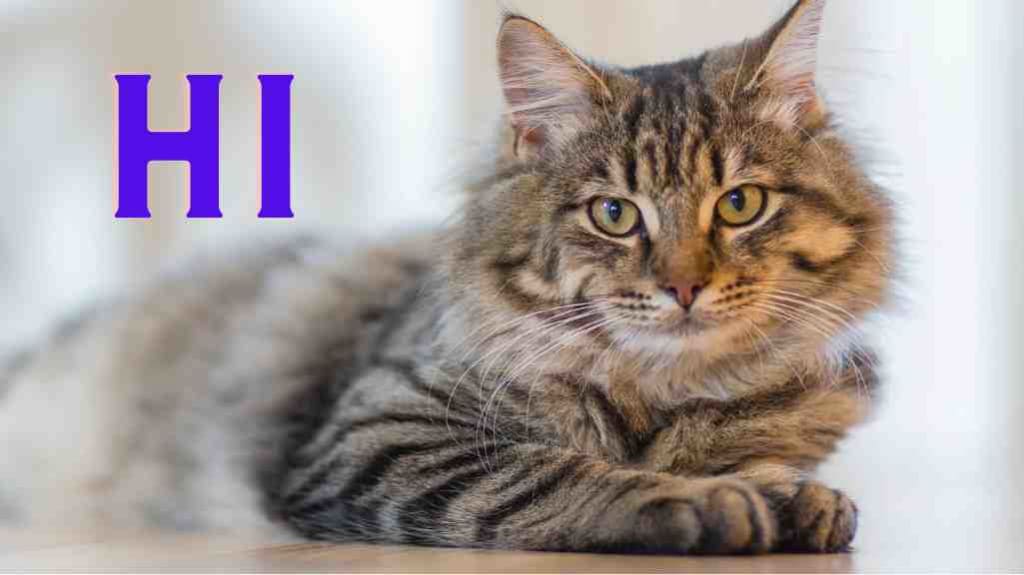
The facial features of domestic shorthair cats are quite distinct. They possess expressive eyes, ranging in color from vibrant green to deep amber, which reflect their intelligence and curiosity. Their ears are alert and perky, adding to their overall charm. With a variety of facial structures and expressions, these cats can easily capture the attention and affection of anyone they encounter.
Origins and Breeding:
The Ancestry of Domestic Shorthairs:
The domestic shorthair breed has a rich and diverse ancestry. They are believed to have descended from various cat populations around the world, including the European wildcat, Egyptian cats, and even cats brought by explorers and traders. Over time, these different cat populations interbred, resulting in the unique and resilient breed we know today.
Evolution from Wild Cats to Domestication:
Domestic shorthairs have a long history intertwined with human civilization. Initially drawn to human settlements due to the availability of food and shelter, wild cats gradually formed a symbiotic relationship with humans. As humans recognized the benefits of having cats around, such as rodent control, these cats became domesticated and integrated into human society.
The Role of Selective Breeding:
Selective breeding played a significant role in shaping the characteristics of domestic shorthairs. Breeders sought to enhance desirable traits, such as coat patterns, colors, and temperament. However, unlike purebred cats, domestic shorthairs have a diverse genetic pool, which contributes to their robust health and adaptability.
Recognized Breed Standards:
While domestic shorthair cats do not adhere to specific breed standards like purebred cats, they do have certain general characteristics. These include a strong and agile body, a broad range of coat colors and patterns, and a friendly and affectionate nature. While they may not compete in cat shows based on breed standards, they are beloved pets and valued members of many households.
Temperament and Personality Traits:
Friendly and Affectionate Nature:
Domestic shorthair cats are known for their friendly and affectionate nature. They form strong bonds with their human companions and enjoy being in their company. These cats often greet their owners with purrs, head rubs, and playful antics, making them wonderful companions for individuals and families alike.
Playfulness and Intelligence:
With their curious and playful nature, domestic shorthair cats are always ready for a game or adventure. They enjoy interactive toys, climbing structures, and puzzle feeders that stimulate their minds and provide physical exercise. Their intelligence and quick learning ability make them eager participants in training sessions and interactive playtime.
Adaptability to Different Environments:
One of the remarkable qualities of domestic shorthair cats is their adaptability. Whether they live in a spacious home or a cozy apartment, these cats adjust well to various environments. They are versatile and can thrive in different households, making them suitable companions for individuals or families with diverse lifestyles.
Interaction with Children and Other Pets:
Domestic shorthair cats are generally great with children and other pets. Their patient and gentle demeanor makes them excellent companions for kids, and their social nature allows them to get along well with other cats or dogs when introduced properly. However, it's essential to supervise interactions and ensure that all parties feel comfortable and safe.
Care and Maintenance:
Nutrition and Dietary Requirements:
Providing a well-balanced and nutritious diet is crucial for the health and well-being of domestic shorthair cats. High-quality commercial Cat food that meets their specific nutritional needs is recommended. Consultation with a veterinarian can help determine the appropriate portion sizes and dietary guidelines based on factors such as age, weight, and activity level.
Grooming Tips for Domestic Shorthairs:
One of the advantages of having a domestic shorthair cat is their low-maintenance coat. Regular brushing helps remove loose hair and prevents matting. Additionally, occasional nail trims, ear cleaning, and dental care contribute to their overall health and hygiene. While domestic shorthairs are proficient self-groomers, a little extra care and attention go a long way.
The Best 3 Type Brushing You Can Use :
- Fresh Step Clumping Cat Litter, Multi-Cat Odor Control.
- Petrodex Dental Care Kit for Cats, Cat Toothbrush and Toothpaste, Malt Flavored Cat Toothpaste, 2.5oz
Exercise and Playtime Recommendations:
To keep domestic shorthair cats happy and healthy, regular exercise and playtime are essential. Interactive toys, scratching posts, and climbing structures help satisfy their natural instincts and provide opportunities for physical activity. Engaging in daily play sessions not only helps them burn off energy but also strengthens the bond between the cat and the owner.
Common Health Issues and Preventive Measures:
Like any other cat breed, domestic shorthairs can be prone to certain health issues, including dental problems, obesity, and urinary tract issues. Regular veterinary check-ups, vaccinations, parasite prevention, and a balanced diet can help mitigate these risks. Early detection and prompt treatment of any health concerns are vital to ensure a long and healthy life for your feline friend.
Training and Behavior:
Basic Training Techniques for Domestic Shorthairs:
Domestic shorthair cats are intelligent and can be trained to respond to basic commands. Positive reinforcement methods, such as clicker training and reward-based training, are effective in teaching them desirable behaviors. From litter box training to coming when called, these cats can learn a variety of commands and behaviors with patience and consistency.
You Can Buy: CitiKitty Cat Toilet Training Kit (One Pack)
Encouraging Good Behavior and Discouraging Bad Habits:
Positive reinforcement plays a significant role in encouraging good behavior and discouraging undesirable habits. Rewarding desired behaviors, such as using the scratching post or using the litter box, reinforces positive habits. Similarly, redirecting or providing alternatives for unwanted behaviors helps establish appropriate boundaries.
Litter Box Training and Behavior Modification:
Proper litter box training is crucial for domestic shorthair cats. Providing a clean, easily accessible litter box and using the appropriate litter type are key considerations. Understanding common litter box issues, such as inappropriate elimination or refusal to use the litter box, helps address these behaviors effectively.
Socialization and Handling Tips:
Early socialization is vital for domestic shorthair cats to ensure they grow up to be confident and well-adjusted. Exposing them to various people, environments, and experiences at a young age helps them become more comfortable and adaptable. Additionally, gentle handling, positive interactions, and creating a safe space aid in fostering trust and a positive relationship between cat and owner.
Domestic Shorthair Cats as Family Pets:
Choosing a Domestic Shorthair as a Family Pet:
Domestic shorthair cats make excellent family pets due to their friendly and adaptable nature. They are suitable for households with children, as they are patient and tolerant of their antics. Their affectionate temperament ensures that they can provide comfort and companionship to every member of the family.
Creating a Cat-Friendly Environment at Home:
To ensure a harmonious coexistence, it's important to create a cat-friendly environment at home. Providing a designated space with scratching posts, cozy resting areas, and interactive toys helps fulfill their physical and mental needs. Additionally, ensuring access to fresh water, a nutritious diet, and a quiet retreat area promotes their overall well-being.
Bonding with Your Domestic Shorthair:
Building a strong bond with your domestic shorthair cat requires time, patience, and understanding. Engaging in interactive play, spending quality time together, and providing affectionate gestures help foster a deep connection. Each cat has its unique preferences for interaction, so observing their body language and responding accordingly strengthens the bond between you and your feline friend.
Benefits and Responsibilities of Cat Ownership:
Owning a domestic shorthair cat brings numerous benefits to your life. From the joy they provide to the therapeutic effects of their presence, these cats have a positive impact on their owners' mental and emotional well-being. However, it's crucial to understand the responsibilities that come with cat ownership, including providing proper care, love, and attention throughout their lives.
Domestic Shorthairs in Popular Culture:
Domestic Shorthairs in Movies and Television:
Domestic shorthair cats have made appearances in movies and television shows, captivating audiences with their charm. From classic films to animated features, their presence on the big and small screen showcases their endearing qualities and adds a touch of feline magic to the entertainment world.
Famous Domestic Shorthair Cats Throughout History:
Over the years, many famous domestic shorthair cats have left their paw prints in history. From "Humphrey," the Chief Mouser to the British Cabinet, to "Tama," the honorary stationmaster of a Japanese train station, these cats have become symbols of love, loyalty, and admiration. Their stories remind us of the remarkable impact these feline companions can have on our lives.
Domestic Shorthairs in Literature and Art:
Domestic shorthair cats have inspired countless authors and artists throughout history. From literary characters to paintings and sculptures, their presence in art and literature reflects the enduring fascination and admiration for these captivating creatures. Their representation in various art forms serves as a testament to their timeless appeal.
Breeding and Adoption:
Responsible Breeding Practices:
Responsible breeding is essential for the well-being of domestic shorthair cats. Ethical breeders prioritize the health and temperament of the cats, ensure proper care for the parent cats and kittens, and aim to improve the breed's overall quality. They adhere to established guidelines and standards to promote the welfare of these beloved feline companions.
Finding Reputable Domestic Shorthair Breeders:
When looking for a domestic shorthair kitten from a breeder, it's crucial to research and find reputable breeders. Recommendations from trusted sources, visiting the breeder's facility, and asking relevant questions about their breeding practices can help ensure that you are acquiring a healthy and well-socialized kitten.
Considerations for Adopting a Domestic Shorthair:
Adopting a domestic shorthair cat is a rewarding experience. Animal shelters, rescue organizations, and cat adoption centers often have domestic shorthairs in need of loving homes. By adopting, you provide a second chance to a deserving cat and contribute to reducing the number of homeless cats. It's important to consider factors such as your lifestyle, available space, and commitment to providing a lifelong home before adopting.
Rescue Organizations and Shelters for Domestic Shorthairs:
Numerous rescue organizations and shelters are dedicated to the welfare of domestic shorthair cats. These organizations provide shelter, care, and rehabilitation for abandoned or stray cats, ultimately finding them loving forever homes. Supporting these organizations through volunteering, donations, or adoption not only saves lives but also promotes responsible cat ownership.
Summary and Conclusion:
Domestic shorthair cats possess an enchanting blend of beauty, personality, and adaptability that make them beloved companions to millions of people worldwide. Their unique coat patterns, friendly temperament, and fascinating history contribute to their enduring appeal. Whether you choose to adopt a rescue or bring home a kitten from a reputable breeder, domestic shorthair cats have the potential to bring immense joy, laughter, and companionship to your life. So, embrace the wonders of the domestic shorthair cat and embark on a remarkable journey with your feline friend.
The Best Cat's Product List (The Best Seller )
About the Creator
Keep reading
More stories from Md Owahidul Islam and writers in Petlife and other communities.
British Shorthair Kitten: A Charming Companion for Every Cat Lover
Introduction Are you a cat lover searching for the perfect feline companion? Look no further than the British Shorthair Kitten! With its adorable appearance, gentle nature, and rich history, this breed has captured the hearts of cat enthusiasts worldwide. In this article, we will explore the captivating world of British Shorthair Kittens, their unique characteristics, care requirements, and why they make excellent pets. So, let's embark on a delightful journey into the realm of these wonderful feline companions!
By Md Owahidul Islam3 years ago in Petlife
The Summer I Was Chosen by a Northern Mockingbird
During the long, suspended days of the pandemic, a wild mockingbird began visiting my driveway and chose me, again and again. What started as a strange encounter became a brief, meaningful connection that I still carry with me.
By Erica Roberts 8 days ago in Petlife
Seattle Nightlife Report: Pony
Mid-winter Friday night. Early but already so dark. The days are getting longer but 6 PM is still pitch black. “Firepit!” You declare things after just a few seconds of solemn thought – not a request or suggestion, not a demand. Last week you walked around saying, “Hot tub?” to anyone who would listen. Or one afternoon you pointed at two men holding hands as they crossed 12th Avenue, looked me in the eyes and said, “Boyfriends.”
By Joe Nasta | Seattle foodie poet6 days ago in Wander



Comments
There are no comments for this story
Be the first to respond and start the conversation.