
Understanding Zebra Mussels: Impact, Control, and Prevention
Mussels are notorious for their ability to spread quickly and efficiently across large areas,

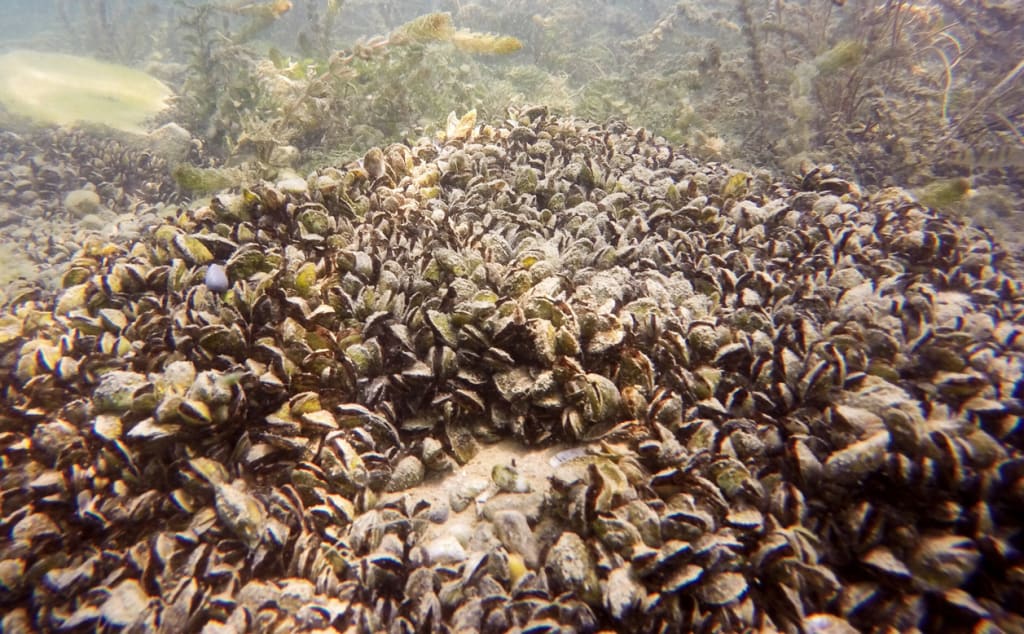
Dreissena polymorpha are small, invasive freshwater mussels native to the lakes and rivers of Eastern Europe and Western Asia. Since their introduction to North America in the 1980s, they have become one of the most problematic invasive species in North American waters. Known for their rapid reproduction and ability to outcompete native species, zebra mussels have raised significant environmental and economic concerns. In this article, we’ll explore their impact, how they spread, and methods for controlling their population.
The Impact of Zebra Mussels on Ecosystems
They have had devastating effects on ecosystems, particularly in North America, where they are not native. One of the main ways they cause damage is by filtering large quantities of water for food. They consume plankton, which disrupts the food chain by depleting food sources for native species, including fish that depend on plankton as a primary food source.
Moreover, their feeding habits lead to increased water clarity, which can result in excessive plant growth. This can lead to an imbalance in the aquatic ecosystem, as non-native plant species may thrive, crowding out native vegetation. Additionally, mussels filter out important nutrients in the water, making it harder for native species to survive.
One of the most concerning impacts of mussels is their ability to clog water intake systems. Power plants, water treatment facilities, and irrigation systems are all vulnerable to damage from these mussels, which can attach to pipes, cooling systems, and equipment, leading to costly repairs and maintenance.
How Do Zebra Mussels Spread?
Mussels are notorious for their ability to spread quickly and efficiently across large areas. Their primary mode of transportation is through human activity. Boats and recreational equipment, such as kayaks and jet skis, can carry mussels from one water body to another. Mussels can attach to the hull of a boat or cling to other objects submerged in water.
Mussels also spread through water currents. A single female mussel can release up to one million eggs per year, which are released into the water and carried by the current. As larvae, these mussels are microscopic and difficult to detect, making them easier to transport from one location to another unknowingly.
Controlling Zebra Mussel Populations
Controlling zebra mussels is difficult due to their rapid reproduction rate and adaptability to different environments. However, there are several methods that can help limit their spread and reduce their impact on ecosystems and infrastructure.
Chemical Treatments: Several chemicals, such as potassium chloride and chlorine, can be used to kill mussels. These chemicals are often introduced into water systems to prevent the mussels from attaching to pipes or other infrastructure. However, chemical treatments can have environmental side effects and are typically used in controlled settings, such as water treatment plants.
Heat and Pressure: In areas where mussels have clogged pipes or other equipment, using heat or pressurized water can help dislodge or kill mussels. This method is especially useful in managing mussels that have attached to industrial or municipal water systems.
Biological Control: Researchers are exploring the use of natural predators or diseases to reduce mussel populations. For instance, certain fish species, like the round goby, feed on mussels, although introducing new species into ecosystems can have unintended consequences.
Prevention and Awareness: The most effective way to control mussels is through prevention. Boaters and water users are encouraged to follow best practices for cleaning their equipment. This includes thoroughly inspecting boats, removing any mussels that might be attached, and draining all water from the boat, including live wells, before moving to a new body of water. Many regions have implemented laws requiring these measures to prevent the spread of mussels.
Prevention Tips for Boaters and Water Users
Inspect and Clean: Before leaving a water body, inspect your boat, trailer, and equipment for any visible mussels. Remove any that are found.
Drain Water: Always drain all water from your boat, including the bilge, livewell, and any other compartments, before traveling to a different water source.
Dry Equipment: Allow your boat and gear to dry for at least 5 days before using it in another water body. This is the most effective way to ensure that zebra mussels do not survive on your equipment.
Conclusion
Mussels pose significant challenges to aquatic ecosystems, infrastructure, and the economy. Their rapid spread and ability to outcompete native species make them a major environmental threat. While controlling their population is difficult, there are effective measures to limit their spread, including chemical treatments, mechanical removal, and prevention strategies for boaters and water users. By staying informed and taking precautions, we can help reduce the spread of mussels and protect our water systems for future generations.
About the Creator
Invasive Species Corporation
We are a Delaware Benefits Corporation dedicated to the discovery, development, manufacture, and marketing of efficacious products for the control of invasive species throughout the world.,
Keep reading
More stories from Invasive Species Corporation and writers in Petlife and other communities.
Why Choose Water Treatment Mussels? Find Out Here!
In an era where environmental concerns and water quality are at the forefront of public discourse, innovative solutions are emerging to address these challenges. One such solution gaining traction is the use of water treatment mussels. These bivalve mollusks are proving to be a game-changer in maintaining clean water sources and enhancing the ecosystem's health. But why should you consider water treatment mussels for your water management needs? Let’s dive into the details!
By Invasive Species Corporationabout a year ago in Poets
The Summer I Was Chosen by a Northern Mockingbird
During the long, suspended days of the pandemic, a wild mockingbird began visiting my driveway and chose me, again and again. What started as a strange encounter became a brief, meaningful connection that I still carry with me.
By Erica Roberts 5 days ago in Petlife



Comments
There are no comments for this story
Be the first to respond and start the conversation.