
Understanding Skin Conditions in Dogs: Focus on Hot Spots
Understanding Skin Conditions in Dogs: Focus on Hot Spots


Dogs, like humans, can suffer from a variety of skin conditions that lead to discomfort, itching, and even infections. Among the most common issues are hot spots, also known as acute moist dermatitis. These painful, inflamed areas of skin can appear rapidly and require prompt treatment to avoid escalation. Understanding how to identify, treat, and prevent hot spots is essential to keeping your dog’s skin healthy.
What Are Hot Spots?
Hot spots are localized areas of inflamed, irritated skin. They often start as small red spots but can quickly grow into larger, moist, and painful lesions. These areas may be warm to the touch and are often covered with scabs or crusts. Dogs will typically lick, bite, or scratch the affected areas, which only worsens the condition.
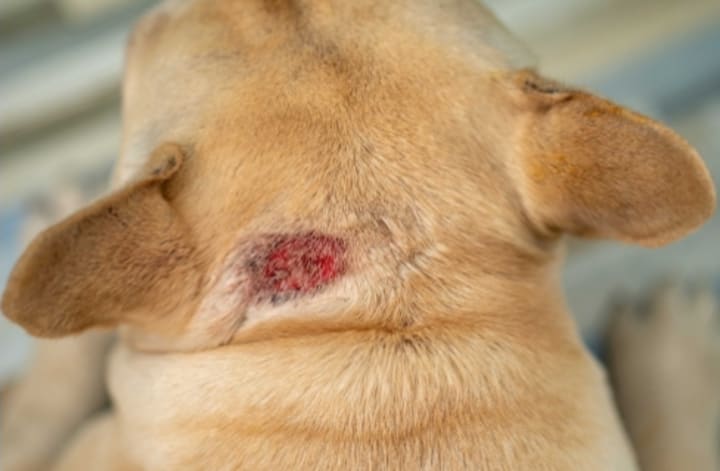
Common Symptoms of Hot Spots:
- Redness or swelling on the skin
- Oozing or discharge from the affected area
- Foul odor
- Constant licking or scratching
Hot spots can develop in a matter of hours and are commonly found on the neck, under the ear, hips, and thighs—wherever moisture and heat can become trapped.

Causes of Hot Spots
Several factors contribute to the development of hot spots in dogs. The primary causes include:
- Allergies: Many dogs develop hot spots due to allergic reactions. Flea allergies are among the most common, but food allergies or environmental triggers like pollen and dust mites can also be to blame.
- Parasites: Fleas, mites, and other parasites can irritate the skin, leading to excessive scratching and hot spots. Flea infestations are a primary cause of hot spots in dogs, especially if left untreated.
- Moisture and Heat: Moisture trapped under a dog’s fur, particularly in thick-coated breeds, can create the perfect environment for bacterial growth. Dogs that frequently swim, play in the rain, or are groomed improperly may develop hot spots due to this trapped moisture.
- Excessive Licking or Scratching: Dogs may lick or scratch an area of their skin due to boredom, stress, or underlying conditions like arthritis. This repetitive behavior can irritate the skin, leading to the formation of hot spots.
- Underlying Skin Issues: Chronic skin infections, untreated wounds, or even hormonal imbalances can cause hot spots. If a dog’s skin is already sensitive or inflamed, it becomes more prone to bacterial infections that lead to hot spots.
How to Treat Hot Spots in Dogs
Once you’ve identified a hot spot, it’s important to address it as soon as possible. Here’s a step-by-step guide to treating hot spots:
- Clean the Area: Shave the fur around the affected area to allow it to breathe and to prevent moisture from being trapped. Use an antiseptic solution or medicated shampoo to clean the hot spot gently. Avoid scrubbing too hard, as this can further irritate the skin.
- Medications: In severe cases, your veterinarian may prescribe antibiotics to treat bacterial infections or corticosteroids to reduce inflammation. Over-the-counter hydrocortisone sprays and antihistamines can also help to reduce itching and discomfort.
- Prevent Licking: It’s important to stop your dog from licking or scratching the hot spot to allow it to heal. You can use an Elizabethan collar (cone) or special bandages to protect the area.
- Address the Root Cause: Whether the hot spot was caused by fleas, allergies, or another issue, make sure to address the underlying cause. For instance, use flea control products, switch to hypoallergenic dog food, or improve grooming routines to prevent future outbreaks.
Other Common Skin Conditions in Dogs
Hot spots are just one of many skin conditions that can affect dogs. Here’s a brief overview of other skin issues that may be confused with or occur alongside hot spots:
- Allergic Dermatitis: Dogs can develop rashes or hives due to allergies. Common allergens include fleas, food, and environmental irritants.
- Mange: Caused by mites, mange results in intense itching, hair loss, and sores. It can be treated with medicated baths and topical treatments.
- Fungal Infections (Ringworm): Ringworm is a highly contagious fungal infection that causes circular, hairless patches on a dog’s skin. It is treated with antifungal medications Pointail Hot Spot And Wound Spray.
- Bacterial Infections (Pyoderma): Pyoderma is a bacterial skin infection that causes pustules, redness, and swelling. Antibiotics are typically required to clear up this infection.
When to See a Veterinarian
It’s important to seek veterinary attention if you notice persistent hot spots or other signs of a serious skin condition in your dog. Some warning signs that warrant a trip to the vet include:
- The hot spot does not improve after home treatment.
- Your dog is lethargic or loses its appetite.
- The affected area continues to grow or ooze pus.
- The hot spot has a foul smell, which may indicate an infection.
A veterinarian will be able to properly diagnose and treat the issue, possibly prescribing stronger medications if needed.

Prevention Strategies for Hot Spots and Other Skin Issues
The best way to manage skin conditions is to prevent them from occurring in the first place. Here are a few key strategies to prevent hot spots and other skin issues:
- Regular Grooming: Brush your dog regularly, especially if they have a thick or long coat. Grooming helps to remove dead hair and prevent mats, which can trap moisture and lead to hot spots.
- Flea and Tick Control: Use flea and tick preventatives year-round to keep parasites at bay. Fleas are a leading cause of hot spots, so controlling them is crucial.
- Dry Your Dog After Baths or Swimming: Be sure to dry your dog thoroughly after they get wet to avoid moisture buildup, which can contribute to hot spots.
- Balanced Diet: Feeding your dog a diet rich in omega-3 fatty acids can help promote healthy skin and reduce inflammation.
FAQ Section:
What causes hot spots on dogs?
Hot spots are caused by a variety of factors, including allergies (fleas, food, or environmental allergens), moisture trapped in the fur, and excessive licking or scratching due to boredom or stress.
How do you treat hot spots on dogs?
Clean the area, shave around the hot spot to keep it dry, apply an antiseptic, and prevent your dog from licking the area. For severe cases, consult your vet for antibiotics or anti-inflammatory medication.
Are hot spots contagious to humans?
Hot spots themselves are not contagious, but the underlying cause (such as fleas) can spread to other pets and potentially to humans.
How can I prevent hot spots in dogs?
Prevent hot spots by keeping your dog clean and dry, using flea prevention products, and ensuring your dog has a balanced diet with omega-3 fatty acids.
Conclusion
Skin conditions, particularly hot spots, can be painful and distressing for your dog. By understanding the causes and treatments for hot spots, you can help keep your dog’s skin healthy and prevent future outbreaks. Regular grooming, flea control, and immediate attention to signs of skin irritation are key to preventing hot spots from becoming a recurring issue.
About the Creator
Emily Carter
I has 15 years of experience in small animal medicine, specializing in preventive care and dermatology. In her free time, enjoys hiking with her rescue dog, Max, and volunteering at local animal shelters.
Keep reading
More stories from writers in Petlife and other communities.
A Dart at Dusk
Seconds ago, the sullen sun set on the two of us… my exuberant furry companion and me. A fresh breeze embraces us, delivering welcome relief from the day’s oppressive heat. His typical stumbling and staggering along — apace with a sloth — has turned into trip-trapping, high-stepping, almost skipping along.
By Angie the Archivist 📚🪶5 days ago in Petlife


Comments
There are no comments for this story
Be the first to respond and start the conversation.