
Understanding Dog Body Language
How to Communicate with Your Canine Companion

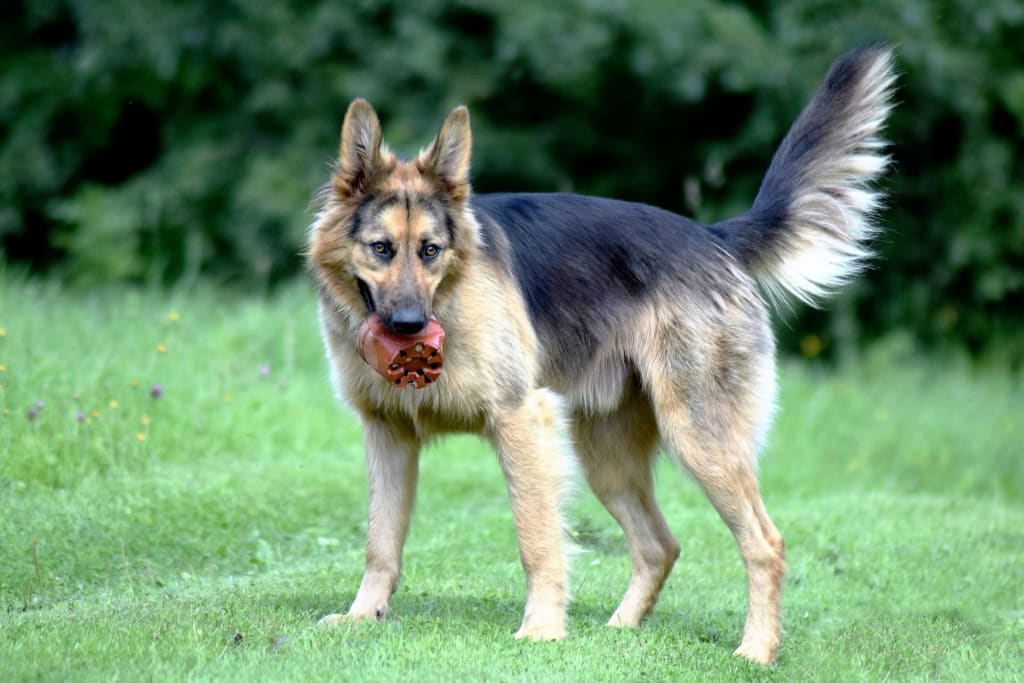
Understanding and interpreting dog body language is crucial for building a strong bond and effective communication with our canine companions. Dogs have a rich repertoire of non-verbal cues that they use to express their emotions, intentions, and needs. In this article, we will explore the important aspects of dog body language, including facial expressions, body postures, tail wagging, and vocalizations. By gaining insights into their behaviors and signals, we can enhance our ability to understand and respond appropriately to our dogs, promoting a harmonious and fulfilling relationship.
Facial Expressions
A dog's face is a window into their emotions. Understanding the subtleties of their facial expressions can provide valuable insights into their mood and intentions. Elements such as the position of their ears, eyes, mouth, and eyebrows can convey a range of emotions from happiness and relaxation to fear or aggression. Learning to recognize and interpret these facial cues enables us to gauge their comfort level and respond accordingly.

Body Postures
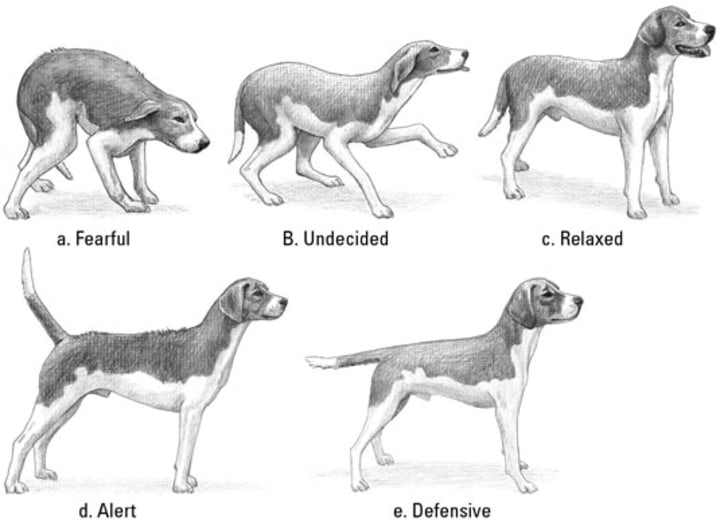
Dogs use their entire body to communicate, and their postures convey valuable information about their emotional state. Observing their body position, such as standing tall, crouching, or leaning forward, can help us understand if they are relaxed, anxious, or on alert. Additionally, paying attention to specific body parts, such as the tail, legs, and back, can provide further clues about their intentions and level of comfort.
Tail Wagging
While tail wagging is often associated with happiness, it is essential to understand that different tail positions and movements can indicate varying emotions. A high and stiff wag may signal arousal or potential aggression, while a low and relaxed wag is a sign of contentment. Observing the speed, direction, and height of the wag can provide insights into the dog's current emotional state.
Vocalizations
Dogs communicate through a range of vocalizations, including barking, growling, whimpering, and howling. Each vocalization serves a different purpose and conveys specific messages. Barks can indicate excitement, warning, or anxiety, while growls may signal fear or aggression. Understanding the context, pitch, and intensity of vocalizations can help us decipher their intentions and respond appropriately.

Common Misunderstandings
There are several common misconceptions about dog body language that can lead to misunderstandings. For example, assuming that a wagging tail always indicates friendliness or that a dog showing teeth is always aggressive. It is crucial to consider the overall context, body language, and individual differences when interpreting their signals. Being aware of these misconceptions helps us avoid miscommunication and promotes safer interactions with dogs.
Building Trust and Communication
Developing trust and effective communication with our dogs requires active observation, patience, and positive reinforcement. By learning to read their body language accurately, we can respond to their needs and create a safe and supportive environment. Building trust through consistent training, socialization, and respectful interactions fosters a stronger bond and promotes open communication between humans and dogs.

Importance of Professional Guidance
While this article provides an overview of dog body language, it is important to acknowledge that every dog is unique, and individual differences exist. Consulting with professional dog trainers or behaviorists can offer invaluable guidance in understanding and addressing specific behavioral concerns. They can provide personalized insights and help us navigate complex situations that may arise in our interactions with dogs.

Conclusion
Understanding dog body language is a fundamental aspect of communicating with our canine companions. By recognizing and interpreting their facial expressions, body postures, tail wagging, and vocalizations, we can gain a deeper understanding of their emotions, needs, and intentions. This understanding forms the basis for building trust, strengthening our bond, and fostering effective communication. As responsible dog owners, it is our responsibility to educate ourselves about dog body language and to continually observe and learn from our furry friends. By investing time and effort into understanding and responding appropriately to their signals, we can create a harmonious and fulfilling relationship that enriches both our lives and those of our beloved canine companions. Remember, effective communication goes beyond verbal language, and by listening to the silent messages conveyed through their body language, we can truly connect with our dogs on a deeper level.
About the Creator
Kenneth Argüello
Welcome to my page! In this space Ill be sharing my passions and curiosities
Keep reading
More stories from Kenneth Argüello and writers in Petlife and other communities.
The Perfect Guide for Imperfect Dog Owners
The Perfect Guide for Imperfect Dog Owners is an invaluable resource for individuals who want to provide the best care and training for their furry companions. In this comprehensive review, we will explore the important aspects covered in this guide and how it can help even the most inexperienced or uncertain dog owners navigate the challenges of canine ownership with confidence and success.
By Kenneth Argüello3 years ago in Petlife
Velveteen Lop Rabbit Lifespan Size Color Diet and Interesting Facts
As we know when people assume Velveteen Lop Rabbit many time the sweet story of the Velveteen Rabbit comes to mind. The name of this breed is not taking from any rabbit, but the book The Velveteen Rabbit have a very cute, sociable, and friendly nature.
By Rabbits Advisor3 days ago in Petlife
Helping Your Elderly Cat Who's Going Blind
When Your Cat Loses Its Sight It can be heartbreaking to watch your beloved kitty go blind. When my cat started to go blind, it was really hard to watch her bump into walls, not to mention the constant loud meowing, which made her sound like she was in excruciating pain. She wasn't. However, she was very confused and scared.
By Janis Masyk-Jackson4 days ago in Petlife


Comments
There are no comments for this story
Be the first to respond and start the conversation.