
Understanding Common Canine Behaviors: Why Dogs Eat Non-Food Items
Exploring the Causes, Risks, and Solutions for Dogs Who Eat Non-Food Objects

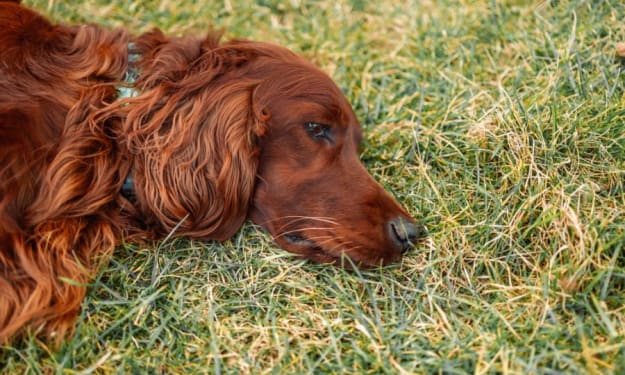
Dogs are naturally curious animals, and part of their exploration often involves using their mouths. While chewing on toys, bones, or treats is normal, some dogs develop an unusual habit — eating non-food items such as rocks, dirt, socks, paper, or plastic. This behavior, known as pica, can be puzzling and concerning for pet owners. Understanding why dogs engage in pica and how to address it can help ensure your pet stays healthy and safe.
What Is Pica in Dogs?
Pica refers to the persistent eating of non-nutritive substances that have no apparent dietary value. It can occur in dogs of all ages and breeds, although some seem more prone to it than others. Unlike the occasional nibble on grass or a curious lick of a shoe, pica is characterized by repetitive, intentional ingestion of non-food materials.
This behavior can stem from several causes — both medical and behavioral. Identifying which is affecting your dog is key to managing the issue effectively.
Medical Causes of Pica
In some cases, pica may be a symptom of an underlying health condition. Common medical causes include:
Nutritional Deficiencies – Dogs lacking essential nutrients such as iron, zinc, or vitamins may instinctively attempt to “supplement” their diet by eating other materials.
Gastrointestinal Issues – Conditions that interfere with digestion or nutrient absorption, like inflammatory bowel disease or parasites, can trigger pica.
Endocrine Disorders – Diseases such as diabetes or thyroid imbalance may affect appetite and lead to unusual eating behaviors.
Neurological or Cognitive Disorders – Senior dogs experiencing cognitive decline might develop compulsive habits, including eating inappropriate items.
If your dog suddenly begins eating non-food objects, a veterinary examination is essential to rule out these medical issues before considering behavioral causes.
Behavioral Reasons for Pica
When medical conditions are ruled out, pica often stems from emotional or psychological factors. Dogs are intelligent and social creatures that can develop behavioral habits based on their environment or experiences.
Boredom and Lack of Stimulation
Dogs left alone for long periods or not given enough mental or physical activity may resort to eating random objects simply to pass the time.
Anxiety or Stress
Separation anxiety or changes in the household can lead dogs to chew or swallow inappropriate items as a coping mechanism.
Attention-Seeking Behavior
Some dogs learn that eating forbidden objects gets their owner’s attention. Even negative reactions—like scolding—can reinforce the behavior.
Curiosity and Instinct
Puppies, in particular, explore their world by mouthing and chewing. This can sometimes escalate into habitual ingestion if not corrected early.
This curiosity is also seen in other behaviors, such as Reasons Behind Dogs Chewing on Grass.
— another common canine habit that may have both instinctive and behavioral explanations.
Potential Dangers of Pica
Pica is more than a quirky behavior—it can lead to serious health risks. Ingested objects can cause choking, intestinal blockages, poisoning, or internal injuries. Common culprits include rocks, fabric, strings, and plastic, which may require surgical removal if they obstruct the digestive tract.
Because of these risks, it’s important not to ignore pica or assume your dog will “grow out of it.”
How to Manage and Prevent Pica
Veterinary Evaluation – Always start with a full medical checkup to rule out health-related causes.
Environmental Management – Keep non-food items out of reach and supervise your dog, especially in areas with tempting objects.
Increase Mental Stimulation – Provide puzzle toys, safe chew options, and interactive playtime to reduce boredom.
Exercise Regularly – Physical activity helps channel your dog’s energy and reduces anxiety-driven behavior.
Behavioral Training – Teach commands like “leave it” and “drop it” to prevent ingestion of unsafe objects.
Address Anxiety – If stress or separation anxiety is the root cause, consider desensitization training or consult a professional trainer or veterinary behaviorist.
When to Seek Professional Help
If your dog’s pica persists despite preventive efforts, professional intervention is recommended. A veterinarian can assess for underlying medical issues, while a certified animal behaviorist can design a tailored behavior modification plan. Early action is key to preventing serious health complications and ensuring your pet’s safety.
Final Thoughts
Eating non-food items might seem like a strange quirk, but for many dogs, it signals an underlying need — physical, mental, or emotional. Understanding pica and addressing it promptly can help protect your furry companion from harm. Whether it’s anxiety, boredom, or curiosity similar to the reasons behind dogs chewing on grass, awareness and proactive care are the best ways to keep your dog happy, healthy, and safe.
About the Creator
Dominion Valley Animal Hospital
Dominion Valley Animal Hospital is a trusted veterinarian in Haymarket offering compassionate care for dogs and cats. From wellness exams to emergency services, we provide expert, AAHA-accredited veterinary care.
Keep reading
More stories from Dominion Valley Animal Hospital and writers in Petlife and other communities.
Understanding the Causes, Symptoms, and Treatment Options for Colitis in Dogs
Colitis in dogs is a common gastrointestinal condition that affects the large intestine (colon). When the colon becomes inflamed, it can lead to uncomfortable and sometimes alarming symptoms for your pet.
By Dominion Valley Animal Hospital2 days ago in Petlife
Malaban Wash for Dogs: Complete Guide to Safe and Effective Parasite Control
What Is Malaban Wash for Dogs? Malaban Wash is a medicated rinse designed to help control external parasites in dogs. Unlike regular shampoos that simply clean dirt and odor, Malaban Wash is formulated specifically to tackle fleas, ticks, lice, and certain mites.
By Thomas Muller3 days ago in Petlife
Pearl
1980 something. we all hung out at Pearl and you and i were nothing special, or so i thought. i mean we all danced, drenched in our own sweat, our own saline solution of fear, too many beers, shots, laughter, tears, fucks in the bathroom and i don't know when we began to be afraid. do you?
By ROCK aka Andrea Polla (Simmons)2 days ago in Fiction


Comments
There are no comments for this story
Be the first to respond and start the conversation.