
Two More Lynx Spotted on the Loose in the Highlands
The Return of Eurasian Lynx to the Scottish Highlands: A Conservation Triumph or Cause for Concern?

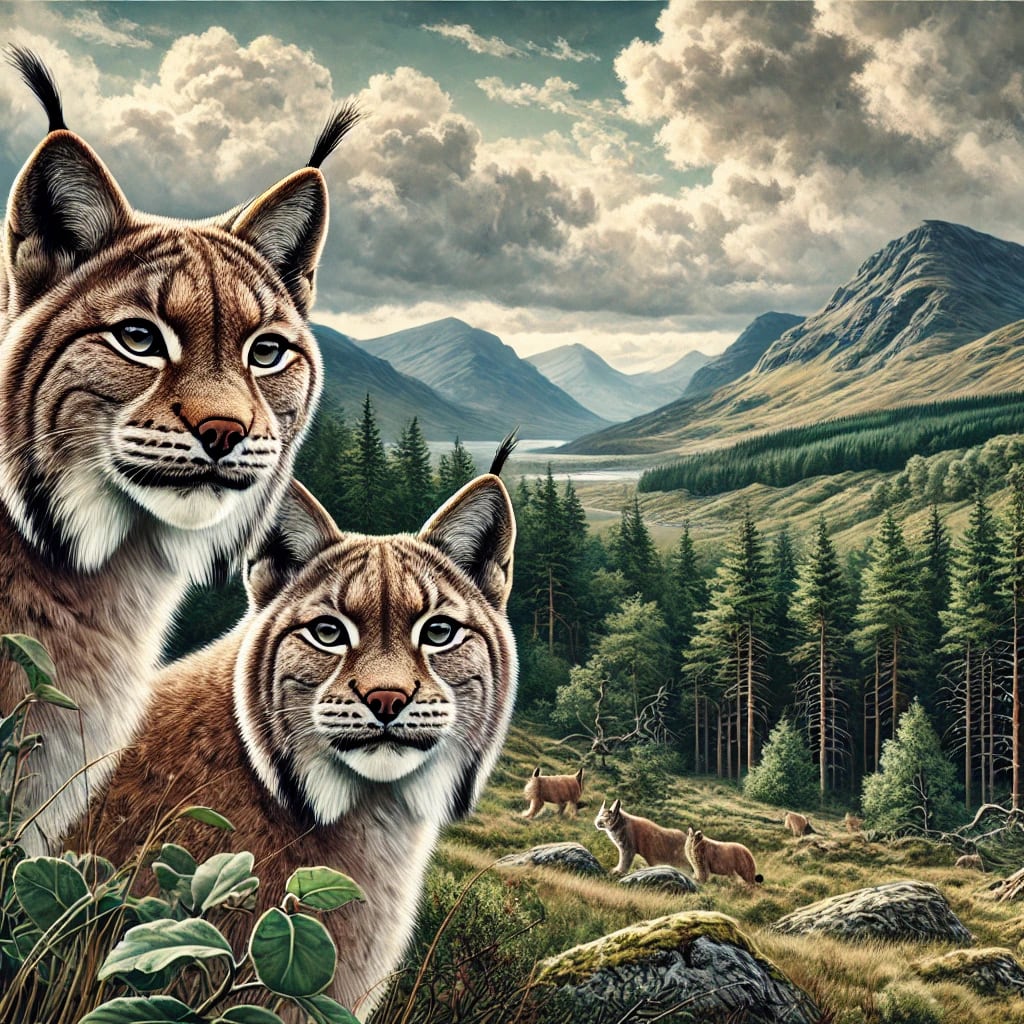
The breathtaking landscapes of the Scottish Highlands have always been home to a variety of fascinating wildlife. From majestic red deer to the iconic golden eagle, this region boasts some of the most diverse ecosystems in the UK. Recently, however, a new addition to the list of animals roaming the Highlands has sparked both excitement and concern: the elusive Eurasian lynx. Reports confirm that two more lynx have been spotted on the loose, deepening debates over their presence and potential impact on the local environment and communities.
The Return of the Lynx: A Conservation Success Story?
The Eurasian lynx, once native to the British Isles, was hunted to extinction around 1,300 years ago due to habitat loss and human persecution. However, conservationists have long campaigned for their reintroduction, arguing that the lynx could help restore ecological balance by controlling deer populations, which often overgraze and damage woodlands.
In recent years, small-scale rewilding initiatives have been gaining traction across Europe, leading to the reintroduction of lynx in countries like Germany, France, and Switzerland. While there has been no official reintroduction of lynx into the UK, there have been increasing reports of sightings, suggesting that these animals may have migrated or been released unofficially. The recent discovery of two lynx in the Highlands adds to growing speculation about the species’ return to Scotland.
The Latest Sightings
The latest sightings occurred near the Cairngorms National Park, a prime habitat for lynx with its dense forests and abundant prey. Local hikers reported seeing two lynx prowling through the underbrush, their distinctive tufted ears and mottled coats unmistakable. Photographs captured by wildlife enthusiasts have since gone viral, confirming the animals’ presence.
While it remains unclear whether these lynx are wild migrants or part of an unregulated release, experts suggest that the Highlands provide an ideal environment for the species to thrive. With plenty of space and prey such as roe deer, the lynx could establish a foothold if left undisturbed.
Public Reaction: Excitement Meets Concern
The news of lynx sightings has elicited mixed reactions from the public and stakeholders in the Highlands. Conservationists and wildlife enthusiasts have celebrated the potential return of this apex predator, viewing it as a milestone for biodiversity restoration. “The presence of lynx in the Highlands is a testament to the success of natural rewilding efforts,” said Dr. Fiona MacLeod, a leading ecologist. “Their return could help balance ecosystems and reduce the negative effects of overgrazing by deer.”
However, not everyone shares this enthusiasm. Farmers and livestock owners, in particular, have raised concerns about the potential threat lynx could pose to sheep and other domesticated animals. “We understand the ecological arguments, but we’re worried about the safety of our flocks,” said John Fraser, a local sheep farmer. “If lynx are going to roam freely, we need assurances and support to protect our livelihoods.”
Understanding the Lynx’s Behaviour
To better understand the implications of lynx in the Highlands, it’s essential to examine their behaviour and ecological role. The Eurasian lynx is a solitary and elusive predator, known for its keen hunting skills and preference for forested areas. Their diet primarily consists of small to medium-sized mammals, with deer making up a significant portion of their prey. While lynx have been known to occasionally prey on livestock, studies from other countries suggest that such incidents are relatively rare, especially when preventive measures are in place.
Balancing Conservation and Community Interests
The debate over the lynx’s presence in the Highlands highlights the broader challenges of balancing conservation efforts with the needs of local communities. Reintroducing or accommodating apex predators requires careful planning, robust dialogue, and mutual trust between stakeholders.
To address farmers’ concerns, experts recommend implementing strategies that have proven successful in other countries. These include:
- Livestock Protection Measures: Installing secure enclosures, using guardian animals like dogs, and adopting other deterrents to prevent lynx from approaching farms.
- Compensation Schemes: Establishing government or NGO-backed compensation programmes for farmers who lose livestock to lynx predation.
- Community Engagement: Educating the public about lynx behaviour and the ecological benefits of their presence to dispel myths and foster understanding.
- Monitoring Programmes: Setting up tracking and monitoring initiatives to study lynx populations and ensure they do not become a threat to local wildlife or agriculture.
The Bigger Picture: Rewilding in the UK
The presence of lynx in the Highlands forms part of a larger conversation about rewilding in the UK. Over the past decade, there has been a growing movement to restore lost species and habitats, with projects such as the reintroduction of beavers and plans to bring back wildcats gaining momentum.
Rewilding advocates argue that restoring natural ecosystems can help combat climate change, improve biodiversity, and create economic opportunities through eco-tourism. However, these initiatives often face resistance due to fears about potential disruptions to existing land-use practices.
Next Steps for the Highlands
As the debate continues, authorities and conservation organisations are under pressure to develop a clear plan for managing the lynx in the Highlands. Key steps could include:
- Conducting comprehensive studies to determine the origins and health of the lynx spotted.
- Collaborating with international experts to learn from rewilding initiatives in other countries.
- Engaging with local communities to address concerns and build support for conservation efforts.
Conclusion
The sighting of two more lynx on the loose in the Scottish Highlands marks a pivotal moment for conservation and biodiversity in the UK. While their presence offers a glimpse of what a rewilded landscape could look like, it also underscores the need for careful planning and collaboration to ensure the coexistence of wildlife and human communities.
As the sun sets over the rugged peaks of the Highlands, the question remains: can Scotland embrace the return of its long-lost predator? Only time will tell, but one thing is certain—the lynx has once again captured the imagination of the nation.
About the Creator
Minecraft APK Download (Android, Pro Unlocked)
Fast free Minecraft APK Download for Android. Get Minecraft Pocket Edition, mods, and the latest version. Enjoy building and exploring in Minecraft PE. NBS Reborn APK.
Keep reading
More stories from Minecraft APK Download (Android, Pro Unlocked) and writers in Petlife and other communities.
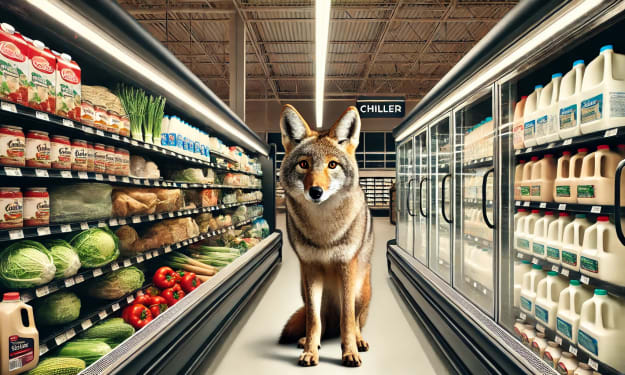
Coyote Pulled From Aldi Cold Food Section Is 'In Great Shape,' Slated For Release to the Wild
In an unexpected turn of events, shoppers at an Aldi grocery store were taken aback when they discovered a coyote wandering within the store’s cold food section. This unusual encounter has captured widespread attention, blending shock, curiosity, and admiration for wildlife’s resilience in urban environments. The coyote, which appeared startled but unharmed, is now being hailed as a symbol of the challenges and adaptability of wildlife living alongside humans. After being safely captured, it was confirmed that the animal is in "great shape" and will soon be released back into the wild.
By Minecraft APK Download (Android, Pro Unlocked)12 months ago in Petlife
A Dart at Dusk
Seconds ago, the sullen sun set on the two of us… my exuberant furry companion and me. A fresh breeze embraces us, delivering welcome relief from the day’s oppressive heat. His typical stumbling and staggering along — apace with a sloth — has turned into trip-trapping, high-stepping, almost skipping along.
By Angie the Archivist 📚🪶4 days ago in Petlife
Your Puppy Can Feel Your Stress Instantly
The Incredible Science Behind How Puppies Sense Your Emotions and React Before You Even Realize It --- You walk into the room, shoulders slumped, jaw tight, heart racing from a stressful day. Before you even speak, your puppy is there—tail tucked, eyes alert, nose nudging your hand. Almost magically, they know something is wrong.
By Ahmed aldeabella2 days ago in Petlife


Comments
There are no comments for this story
Be the first to respond and start the conversation.