
Transforming Dogs' Behavioral Issues with Training Rehabilitation
Dogs Training & Rehabilitation

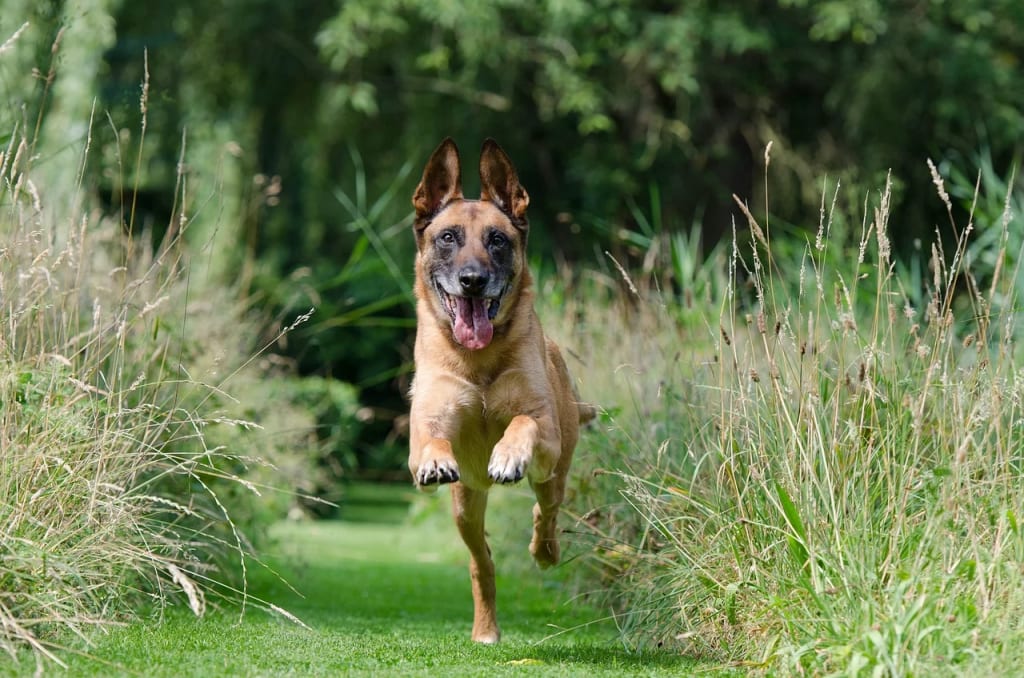
Dogs bring immense joy and companionship into our lives, but sometimes behavioral challenges can disrupt the harmony we share with our four-legged friends. Issues such as aggression, excessive barking, separation anxiety, or reactivity can make daily life stressful for both the dog and the owner. Training rehabilitation provides a structured, compassionate approach to addressing these problems and transforming dogs into happier, more balanced companions.
Behavioral Issues in Dogs
Behavioral problems in dogs don’t happen overnight. They often stem from deeper underlying causes, including:
Lack of Socialization: Dogs that haven’t been exposed to different environments, people, or other animals during their critical developmental stages may react fearfully or aggressively in unfamiliar situations.
Fear or Trauma: Past negative experiences, such as neglect or abuse, can create lasting anxiety or aggression.
Boredom and Energy Surplus: Without proper physical and mental stimulation, dogs may channel their pent-up energy into destructive or disruptive behaviors.
Medical Conditions: Pain or discomfort can also lead to irritability or changes in behavior.
Identifying the root cause is the first step toward addressing these issues effectively.
The Role of Training Rehabilitation
Training rehabilitation is designed to address not just the symptoms but the causes of behavioral problems in dogs. Unlike basic obedience training, rehabilitation focuses on modifying complex behaviors by building trust, confidence, and clear communication between the dog and its owner. Key Components of Training Rehabilitation
1- Behavioral Assessment:
A professional trainer evaluates your dog’s unique challenges, triggers, and environment to create a customized plan.
2- Positive Reinforcement:
Reward-based methods help dogs associate good behaviors with positive outcomes, creating lasting behavioral change.
3- Desensitization and Counterconditioning:
These techniques involve gradually exposing dogs to their triggers in a controlled way, helping them develop a calmer response over time.
4- Owner Involvement:
Training rehabilitation includes guidance for owners to reinforce positive behaviors and maintain consistency at home.
Common Behavioral Issues Addressed by Training Rehabilitation
Aggression
Fear-based aggression can make social interactions stressful. Rehabilitation helps dogs feel safer and less reactive by addressing their underlying fears.
Separation Anxiety
Dogs struggling with separation anxiety can learn coping mechanisms to feel more secure when left alone.
Reactivity
Lunging, barking, or growling at people, dogs, or other triggers can be managed through targeted desensitization techniques.
Resource Guarding
If your dog guards food, toys, or spaces, training rehabilitation can teach them to relax and share without fear.
Why Choose Professional Training Rehabilitation
While some behavioral issues can be managed at home, severe or persistent problems often require expert intervention. Professional dog training rehabilitation programs provide the expertise, tools, and support needed to create meaningful change. Trainers use science-backed methods to ensure your dog’s well-being while addressing even the most challenging behaviors.
Conclusion:
Training rehabilitation is not just about fixing undesirable behaviors—it’s about giving your dog the tools to thrive. Whether your dog is struggling with aggression, anxiety, or socialization challenges, professional dog training can make a world of difference.
By investing time, patience, and expert guidance, you can transform your dog’s behavior, creating a stronger bond and a happier life together. Remember, every dog deserves a second chance to shine, and training rehabilitation is the first step toward that brighter future.
About the Creator
Canine United
We at Canine United, provide professional, humane dog training and rehabilitation services. We specialize in obedience training, aggression management, and puppy selection, using ethical methods.
Keep reading
More stories from Canine United and writers in Petlife and other communities.
Decoding Your Dog’s Behavior: What Every Pet Owner Should Know
Dogs are intelligent and social animals with unique personalities and behaviors. Understanding your dog’s behavior is essential for building a strong bond and ensuring their well-being. Whether you’re a new pet owner or an experienced dog lover, learning about canine behavior can help you create a positive and enriching environment for your furry friend.
By Canine United11 months ago in Petlife
A Dart at Dusk
Seconds ago, the sullen sun set on the two of us… my exuberant furry companion and me. A fresh breeze embraces us, delivering welcome relief from the day’s oppressive heat. His typical stumbling and staggering along — apace with a sloth — has turned into trip-trapping, high-stepping, almost skipping along.
By Angie the Archivist 📚🪶6 days ago in Petlife


Comments (1)
Good dogs! Good writing! Wonderful. Well written, great job! Amazing! “Talent!”