
Tips for keeping your dog healthy and avoiding heat stroke in the summer
The summer heat can be extreme, and dogs are prone to heat stroke. What can you do to prevent your dog from getting heat stroke or sunstroke? Here are some tips to help you keep your dog healthy in the summer.

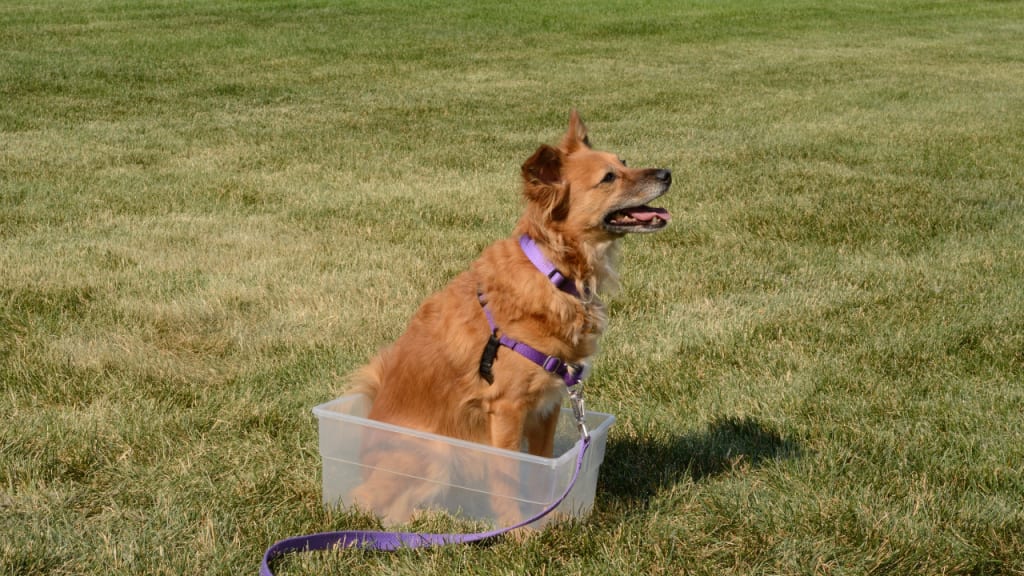
Summer is the hottest season of the year, with temperatures reaching nearly 40°C in some places. Dogs have a higher body temperature than humans because they do not have sweat glands and cannot regulate their body temperature on their own. To cool off, dogs pant and release heat through the pads of their feet. In addition to heat stroke, dogs may experience other health problems in hot weather, such as burned paws, loss of appetite, fatigue, or infestation with fleas, ticks, or other parasites.
1. What are some common summer health problems for dogs?
1.1 Heat stroke and sunstroke
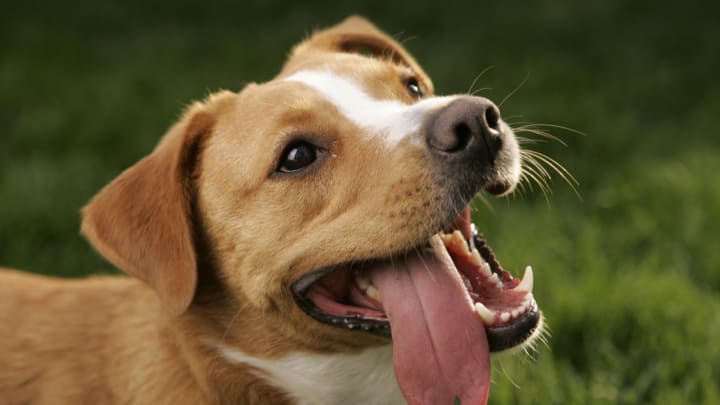
The most common and dangerous health problem for dogs in hot weather is heat stroke. Dogs can suffer from heat stroke when their body temperature rises above 40.5°C, accompanied by symptoms such as panting, excessive drooling, red tongue, pale or bluish gums, or, in severe cases, foaming at the mouth and bleeding from the nose.
Heat stroke in dogs is extremely dangerous, and the symptoms can occur very quickly, affecting vital organs if not treated with prompt cooling intervention. According to statistics, dogs with heat stroke have a mortality rate of up to 50%.
In addition to heat stroke, other common health problems for dogs in hot weather include:
1.2 Burned paws and sunburn
The sun's rays can be extremely harmful, causing burns and sunburn on a dog's skin, especially on short-haired breeds that have little fur to protect them, such as Chihuahuas, Pugs, French Bulldogs, and English Bulldogs. Areas of the body that are sparsely covered with fur, such as the nose, mouth, eyes, and paw pads, are especially vulnerable to sunburn. Dogs' paw pads are also very sensitive, and can easily be burned from contact with hot surfaces such as pavement or asphalt.
1.3 Loss of appetite, fatigue, and lethargy
In hot weather, dogs may become fatigued, lose their appetite, and become less active than usual. Loss of appetite is a common problem for dogs in the summer, affecting almost all breeds.
1.4 Mosquito bites, fleas, and tick infestation
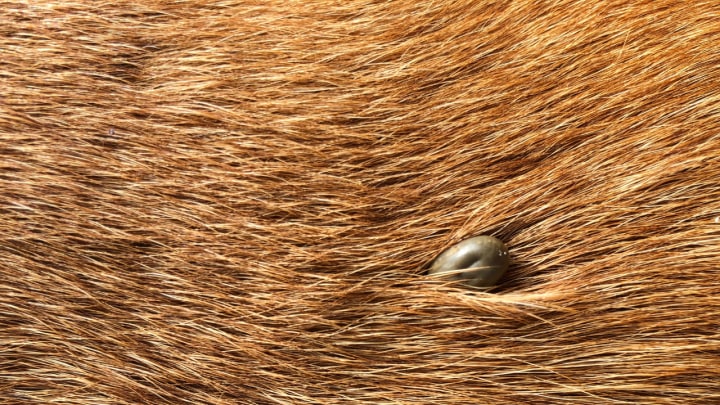
Summer is a peak season for fleas, ticks, and other parasites, which can cause itching, skin irritation, and other health problems for dogs. Mosquito bites can also transmit heartworm disease, a serious and potentially fatal condition in dogs. In particular, fleas can carry the larvae of heartworm, which is dangerous for puppies and dogs with weakened immune systems.
2.Tips to Keep Your Dog Healthy During Hot Summer Months
The tips below can help your furry friend avoid heat stroke and other health issues, as well as stay healthy during the hot summer months.
Always keep your dog in a cool area, with plenty of shade, or inside with a fan or air conditioner. This is especially important if you have a breed with thick fur or one that is used to colder climates, such as a Samoyed, Alaskan, or German Shepherd.
Avoid leaving your dog in a car or in a garage, as it can get very hot and stuffy.
Limit outdoor activities for your dog from midday to 4 pm.
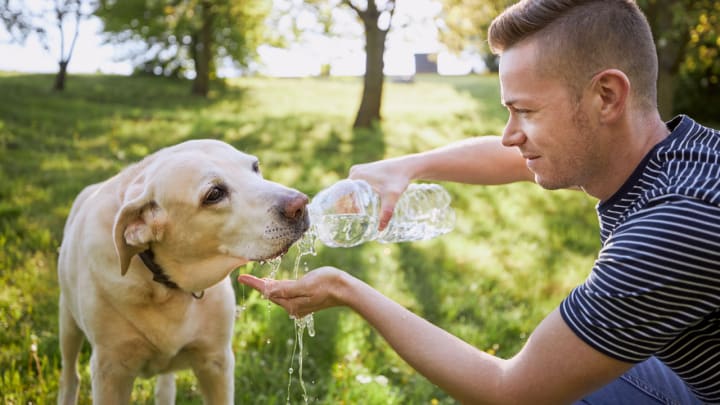
Always have clean water available for your dog to drink. You can also give your dog cool water to drink, which is excellent for the liver and kidneys. Note that your dog can drink cool water meant for humans, but it should not contain sugar or salt.
Feed your dog a more diluted diet with more fiber, such as sweet potatoes, carrots, and beets. For uneaten meals, you can give them broth or bone broth to prevent hunger. Also, change your dog's feeding time during hot weather, feeding them in the early morning and evening when the weather is cooler and more comfortable.
When your dog goes outside, avoid hot surfaces such as asphalt or concrete. If your dog must be outside during the hottest part of the day, protect them by providing shade, a hat or cap, and applying sunscreen designed for children. This is especially important for breeds with short snouts or thin skin, such as Pugs and Bulldogs.
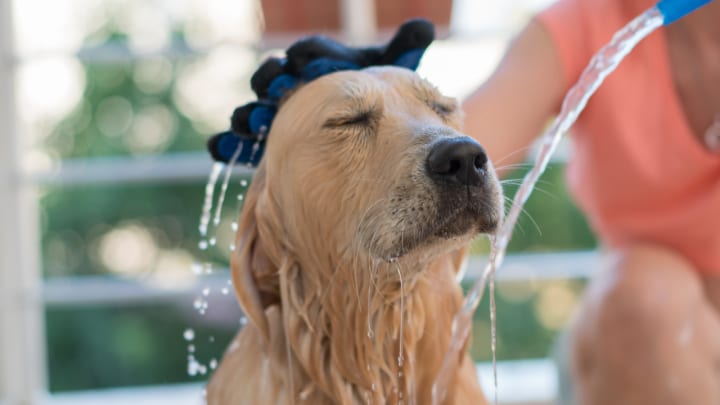
Cool your dog down during the hot summer months by bathing them once a week. Use a wet, cool towel to wipe your dog's belly, head, face, and paws every day. The paw pads are where your dog releases heat, and keeping them cool will make your dog more comfortable.
Trim your dog's hair, but only trim long hair on the underbelly, paws, around the ears, and eyes to make them more comfortable. Never shave your dog's coat off entirely just because it's hot outside. It won't help them cool down and may even cause sunburn or heatstroke.
Keep your dog clean, give them deworming medication, and apply flea and tick medication regularly. Also, keep their sleeping area clean, cool, and free from mosquitoes and fleas.
Always keep an eye on your dog, and look out for signs of heatstroke or exhaustion. Be ready to administer first aid immediately if necessary.
In conclusion
The summer heat can be dangerous for dogs, but with proper care and attention, you can help your furry friend avoid heat stroke and other health problems. It is crucial to keep your dog in a cool area with plenty of shade, provide them with clean water to drink, and limit their outdoor activities during the hottest parts of the day. Additionally, you should monitor your dog for signs of heatstroke and be prepared to administer first aid if necessary. By following these tips and taking extra precautions, you can keep your dog healthy and safe during the hot summer months.
See how to train a dog here >>>>
About the Creator
A Dart at Dusk
Seconds ago, the sullen sun set on the two of us… my exuberant furry companion and me. A fresh breeze embraces us, delivering welcome relief from the day’s oppressive heat. His typical stumbling and staggering along — apace with a sloth — has turned into trip-trapping, high-stepping, almost skipping along.
By Angie the Archivist 📚🪶5 days ago in Petlife




Comments
There are no comments for this story
Be the first to respond and start the conversation.