
The Silent Partners
How Microbes Impact the Lives of Bees and their Survival
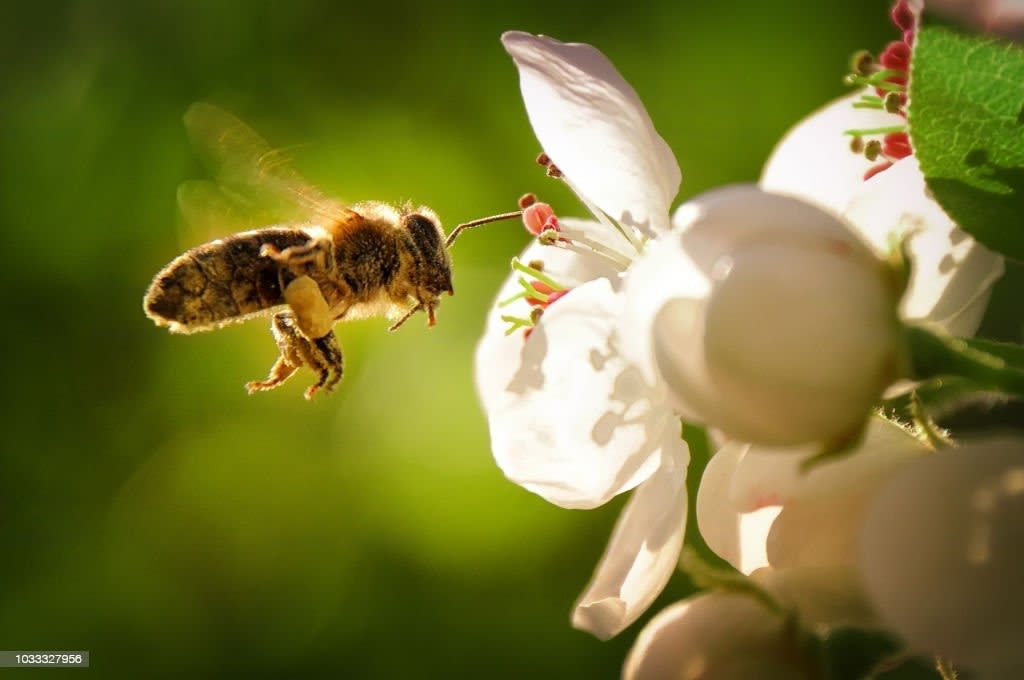
While eating outside, there's one thing we often overlook: bees. Yet, these tiny creatures play a crucial role in our ecosystem as natural pollinators. In fact, a significant portion of our modern agriculture relies on their pollination services. Unfortunately, bees are facing serious threats. In the thought-provoking documentary "Symbiosis" by Days Edge Productions, scientists have made a groundbreaking discovery that could revolutionize our understanding of bees and their ecosystems.
For over 100 million years, bees have been buzzing around, helping plants reproduce. Their relationship with plants is akin to a partnership. Just as we rely on plants for food, bees rely on plants for sustenance. Bees collect pollen, which becomes food for their young. The larvae consume the pollen and develop into adult bees. This mutualism between bees and plants has long been recognized, but there's more to the story.
Recent research has unveiled the presence of a silent partner in the mutualism between bees and plants: microbes. These microscopic organisms have a surprising impact on the lives of these prolific pollinators. However, this discovery has raised concerns about the future of wild bees in a world shaped by human activities. If the delicate balance of the microbial community is disrupted, it can have catastrophic effects on bee health, ultimately leading to the collapse of their symbiotic relationship with plants.
When we think of bees, honey bees often come to mind. However, honey bees are not native to North America. They were introduced by European colonists in the 1600s and became the dominant bee species on the continent. Yet, North America is home to a rich diversity of native bees, with approximately four thousand species. These native bees include important crop pollinators and are closely tied to the pollination of native wildflowers and plants. Wherever there are flowering plants, you can expect to find bees visiting them, nourishing the diversity of bees in North America.
The majority of bees in North America are solitary ground nesting bees. Unlike honey bees, these bees are solitary, with each female constructing her own brood cell and providing it with pollen and nectar. She defends the cell against parasites and predators and lays her own egg. The larvae, nourished by the pollen and nectar, eventually transform into adult bees when the conditions are favorable. However, the smooth running of this cycle is being disrupted for many wild bees across the continent.
In 2008, researchers studying the native bee fauna in apple orchards made an intriguing discovery. They found that the richness and abundance of bees declined with the use of fungicides, which are agricultural chemicals used to combat disease-causing fungi in crops. The link between fungicides and bee health was perplexing, considering that fungicides undergo safety tests on bees before being approved for use. The puzzle began to unravel when researchers delved into the life cycles of wild bees.
Inside a brood cell, where a mother bee prepares the nursery for her offspring, an entire ecosystem exists. Mother bees inadvertently introduce bacteria and fungi into the cell. When scientists screened the pollen provisions within these cells, they found the presence of up to 35 agrochemicals, with about half of them being fungicides. This raised a crucial question: Could these chemicals disrupt the delicate balance of the brood cell ecosystem and negativelyimpact the developing bees?
To find answers, scientists turned their attention to Osmia bees, also known as mason bees. These solitary bees are widespread and nest above ground, making them easier to study. Through meticulous observations and experiments, researchers discovered that the presence of microbes in the brood cell was essential for the healthy development of bee larvae. When the microbes were removed, the larvae suffered greatly, with many failing to reach adulthood and those that did being small and weak.
Interestingly, bee larvae are not strict vegetarians. Within the brood cell ecosystem, they have access to a diverse menu that includes microbes. Analyzing the molecules within bee larvae revealed that they were significantly omnivorous, consuming substantial amounts of microbial "meat." This newfound understanding suggests that bees may consume pollen not only for its nutritional value but also as a means to access the microbes present.
The role of these microbes extends beyond being a food source. They could aid in digesting the tough outer shells of pollen grains and neutralizing defensive chemicals found in some plants' pollen and nectar. The intricate relationship between bees, plants, and microbes highlights the importance of this hidden third partner in sustaining the ancient alliance between bees and plants.
Bringing the focus back to fungicides, researchers connected the dots between fungicide use and declining bee populations. While fungicides may not directly harm bees, they can inadvertently disrupt the fungi that bees depend on, essentially depriving them of their microbial food source. In the United States alone, more than 50 million pounds of fungicide are used annually, making the link between fungicides and bee health a matter of concern.
The groundbreaking discoveries made by scientists shed light on the complex web of interactions between bees, plants, and microbes. They highlight the need to reconsider the impact of agricultural practices on these crucial ecosystems. Protecting the delicate balance between bees, plants, and their silent partners is essential for ensuring the survival of these vital pollinators and the food systems they support.
About the Creator
Keep reading
More stories from Myke & Amy and writers in Petlife and other communities.
The Decline of Work
Work is an integral part of our lives, but is it getting worse? In today's rapidly evolving world, we often assume that progress leads to better conditions for each new generation. However, a closer look reveals a concerning trend in the quality of work across various critical aspects. Let's delve into the reasons behind this downward trajectory.
By Myke & Amy3 years ago in Petlife




Comments
There are no comments for this story
Be the first to respond and start the conversation.