
The Secret of the Black Bee’s Sweet Gift
How one small, overlooked pollinator creates a treasure more valuable than gold.

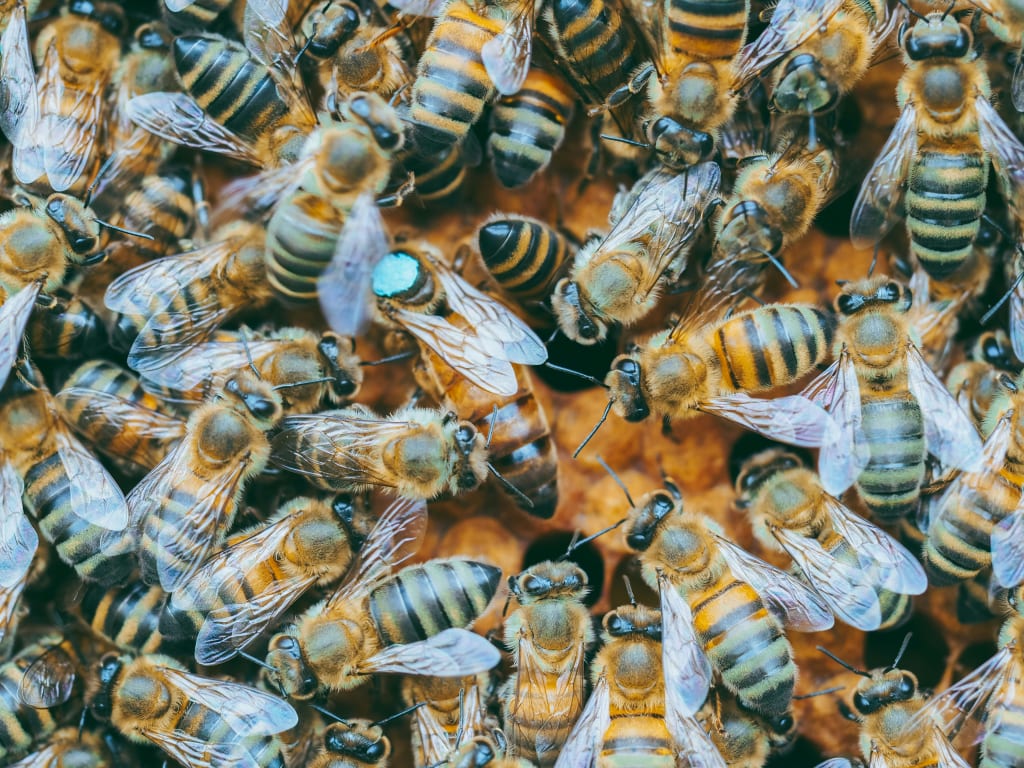
Most of us, when we think of bees, picture the golden honeybee buzzing from flower to flower, carrying the sweetness of life back to the hive. But hidden in the forests and fields of the world is a lesser-known cousin: the black bee. Sleek, dark, and often misunderstood, the black bee has its own story to tell—one of resilience, cooperation, and the creation of a rare nectar that humans have treasured for centuries.
This story isn’t just about a bee. It’s about patience, survival, and how something so small can teach us about the sweetness of life itself.
A Different Kind of Bee
The black bee, also known in some regions as the Apis mellifera mellifera (the European dark bee) or in tropical areas as the stingless black bee, has been part of human history for longer than we often realize. Unlike the familiar honeybee with its striped golden coat, the black bee wears a darker armor, giving it a mysterious presence.
Some people once feared them, believing that their dark bodies symbolized aggression or danger. But beekeepers who took the time to learn discovered something else entirely: black bees are incredibly resilient. They endure harsher climates, resist diseases better than many other bees, and—most importantly—produce a unique, dark, aromatic honey.
The Work of Sweetness
To understand the black bee’s gift, you have to follow her journey. Imagine her leaving the hive at dawn, wings shimmering in the light, darting toward wildflowers. She doesn’t wander aimlessly. Guided by instinct and scent, she finds blooms bursting with nectar.
The process seems simple: collect, carry, store. But in reality, it is a miracle of cooperation. The black bee dips her long tongue into the flower, drawing up nectar drop by drop. Inside her body, enzymes begin transforming that nectar before she even returns home.
Back in the hive, she passes the nectar mouth-to-mouth with her sisters, who repeat the process, each time refining the liquid further. Then, together, they fan it with their wings, evaporating water until what remains is dense, golden-black sweetness: honey.
Every spoonful of this honey represents thousands of flights, millions of wingbeats, and countless hours of silent labor.
Honey with a Difference
What sets black bee honey apart isn’t just its rarity—it’s its richness. Darker in color than standard honey, it carries flavors that range from deep caramel to smoky molasses, depending on the flowers in bloom. It’s often higher in minerals, antioxidants, and medicinal properties, making it not only a delicacy but also a natural remedy.
In traditional medicine, black bee honey has been used to soothe sore throats, heal wounds, and boost energy. In modern science, researchers continue to explore its antibacterial and anti-inflammatory qualities.
For many communities, especially in tropical regions where stingless black bees thrive, this honey isn’t just food—it’s heritage. Families have passed down the art of keeping black bees in hollowed logs or clay pots, harvesting only what they need while leaving the colony strong.
Lessons from the Hive
The story of the black bee is more than just biology. It’s also a mirror for us.
Black bees thrive in unity. No single bee could ever make honey alone. It takes thousands, working together in perfect harmony, each one fulfilling her role without hesitation. In a world that often praises individual success, the hive reminds us of the power of community.
They also teach patience. A black bee doesn’t rush. She returns again and again to flowers, day after day, until her work is complete. Sweetness isn’t created in an instant—it’s the result of countless small efforts, built quietly over time.
And perhaps most importantly, they remind us of resilience. Black bees have faced predators, diseases, habitat loss, and climate changes. Yet they continue, season after season, to give the world a sweetness that outlives every hardship.
The Gift We Risk Losing
But here is the sobering truth: black bees, like many other pollinators, are at risk. Deforestation, pesticides, and climate change threaten their habitats and food sources. When bees disappear, it isn’t just honey we lose—it’s pollination, the invisible service that sustains much of our food supply.
Without bees, fields go barren, fruits don’t ripen, and flowers fade. The sweetness they bring into the world is far more than honey; it’s life itself.
Every time we protect wildflowers, plant native species, or choose to support ethical beekeepers, we take a step toward protecting the legacy of the black bee.
A Drop of Gold
The next time you taste honey—especially the rare, dark kind made by black bees—pause for a moment. Let it linger on your tongue. Remember that inside that drop are thousands of stories: of flowers that bloomed, of bees that worked tirelessly, of a hive that thrived together.
The black bee’s honey is more than food. It’s proof that even the smallest creatures can create something enduring, healing, and sweet.
And maybe, if we’re wise, we’ll learn to follow their example. To work together, to be patient, to be resilient. To make the world just a little sweeter, one drop at a time.
About the Creator
True Words Only
"Real stories. Real lessons. A journey told one truth at a time."
Keep reading
More stories from True Words Only and writers in Petlife and other communities.
A Dart at Dusk
Seconds ago, the sullen sun set on the two of us… my exuberant furry companion and me. A fresh breeze embraces us, delivering welcome relief from the day’s oppressive heat. His typical stumbling and staggering along — apace with a sloth — has turned into trip-trapping, high-stepping, almost skipping along.
By Angie the Archivist 📚🪶5 days ago in Petlife
Frozen Clash: Wolf vs Bear
The morning light broke gently over the snow-covered wilderness, turning the frost into a blanket of sparkling diamonds. The forest was silent except for the soft whisper of wind moving through the icy branches. Every tree was coated in white, and the frozen ground glistened under the soft sunlight. In this serene landscape, life thrived in quiet ways, even in the harshest winter conditions.
By Bilal Mohammadi7 days ago in Petlife



Comments
There are no comments for this story
Be the first to respond and start the conversation.