
The Puppy's Bite: A Tale of Teething and Training
How to Stop a Puppy from Biting
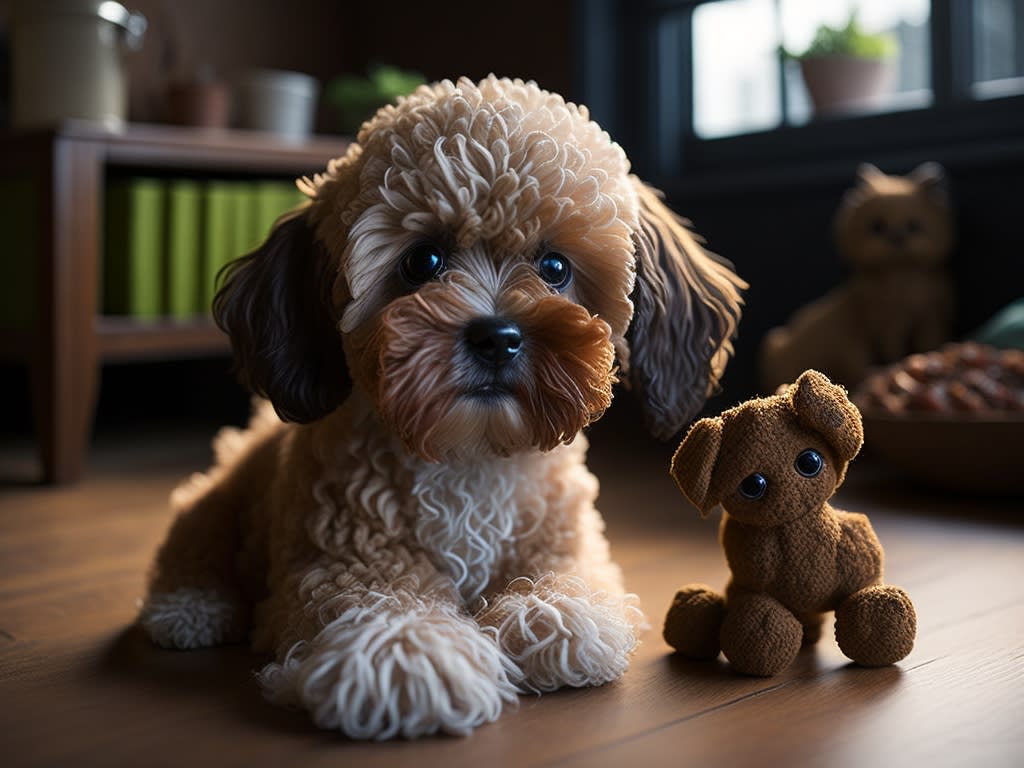
In the picturesque town of Caninewood, Sarah, a first-time dog owner, found herself in a bit of a predicament. Her adorable Affenpoo puppy, Max, had developed a rather sharp habit - biting. Every time she played with him, those tiny teeth would find their way to her hands, clothes, and sometimes even her face. It was playful, yes, but painful nonetheless.
Now, imagine Sarah's surprise. Here she was, having brought home this bundle of joy, only to be met with nips and bites. It's a story many puppy owners can relate to. But why does this happen? And more importantly, how can it be addressed?
Understanding the Bite
Before labeling Max as a mischievous little furball, it's crucial to understand the 'why' behind the biting. Puppies, much like human babies, go through a teething phase. Those little chompers are growing, and the process can be quite uncomfortable for them. Biting or chewing provides relief. It's not personal; it's just nature.
But here's the twist: while teething is natural, it's our responsibility as pet owners to guide our puppies towards more appropriate biting outlets and teach them bite inhibition.
The Art of Redirecting: Digging into Puppy Behavior Management
As Sarah searched for help with Max's biting tendencies, she stumbled upon a technique that many dog trainers swear by: redirection. At its core, redirection is about channeling a puppy's undesirable behavior into something more acceptable. But to truly master this art, one must understand its nuances and intricacies.
Why Redirection Works
Puppies are curious creatures, constantly exploring and learning about their environment. When they bite, it's often an exploratory or playful act. Redirection works because it doesn't suppress this natural behavior; instead, it offers an alternative outlet. It's like telling the puppy, "Don't chew on this, chew on that instead."
The Tools of the Trade
- Toys: The most common redirection tools are toys. But not just any toy will do. It should be something that the puppy finds enticing. Chew toys, especially those that can be frozen, are excellent for teething puppies. The cold provides relief to their sore gums.
- Edible Chews: Bully sticks, dental chews, or even simple carrot sticks can be great alternatives. They satisfy the puppy's urge to chew and can keep them occupied for extended periods.
- Interactive Toys: Toys like puzzle feeders or treat-dispensing toys can redirect not just the act of biting but also the puppy's mental energy.
The Technique
- Redirection isn't just about thrusting a toy into the puppy's mouth every time they bite. It's a more thoughtful process:
- Anticipation: Sarah should observe Max and learn to anticipate when he's about to bite. This proactive approach can prevent the behavior before it starts.
- Replacement: As soon as Sarah sees the tell-tale signs, she can offer Max the alternative - be it a toy, a chew, or an interactive game.
- Reinforcement: Once Max engages with the alternative, Sarah should praise him or offer a treat. This positive reinforcement strengthens the behavior.
Consistency is Key
For redirection to truly work, it needs to be consistent. Every time Max exhibits the biting behavior, the redirection process should be employed. Over time, Max will start to make the connection himself and will naturally gravitate towards the appropriate outlets.
Challenges and Adaptations
Not all puppies are the same. While one toy might work wonders for one puppy, it might be completely ignored by another. Sarah might need to experiment to find what captures Max's attention best. It's also essential to regularly inspect and replace toys to ensure they remain safe for the puppy.
Wrapping up Redirection
The art of redirection is more than just a quick fix; it's a holistic approach to behavior management. It respects the puppy's natural instincts while guiding them towards safer, more appropriate behaviors. As Sarah and Max journey together, mastering this art will pave the way for a harmonious coexistence, where both can thrive.
The Power of Positive Reinforcement
In the vast realm of dog training, positive reinforcement is the shining knight. Every time Max plays without biting, Sarah could reward him with a treat or verbal praise. Over time, Max would realize that not biting leads to rewards. It's basic psychology, but it works wonders.
Understanding Human Behavior
Now, here's where human psychology comes into play. Sarah, like many of us, might react loudly to a bite, perhaps with a yelp or a stern "No!" While this might deter some puppies, others might see it as a fun game. The key is consistency. If Sarah decides to yelp every time Max bites, she needs to stick to it. Mixed signals can confuse puppies.
Moreover, Sarah needs to be patient. Training takes time. There might be days when Max seems to have forgotten all his training, but that's okay. It's all part of the learning curve.
Conclusion
In the grand tapestry of dog ownership, biting is just one of the many challenges Sarah will face. But with understanding, patience, and consistent training, it's a challenge she can overcome. After all, every interaction, every challenge, is an opportunity to learn and grow, both for Sarah and Max. And as they navigate this journey together, the bond they forge will be stronger than any puppy bite.
While this story about Sarah and Max may give you ideas you can use to help your puppy you might find yourself wanting more help. Wether it’s biting, jumping, peeing inappropriately, aggression, pulling on the leash…or whatever…
It starts with getting your dog to pay attention to you by tapping into your dog’s hidden intelligence. You can learn how here.
About the Creator
Keep reading
More stories from writers in Petlife and other communities.
A Dart at Dusk
Seconds ago, the sullen sun set on the two of us… my exuberant furry companion and me. A fresh breeze embraces us, delivering welcome relief from the day’s oppressive heat. His typical stumbling and staggering along — apace with a sloth — has turned into trip-trapping, high-stepping, almost skipping along.
By Angie the Archivist 📚🪶7 days ago in Petlife



Comments