
The Most Common Health Problems in Cats and Kittens, and how to treat them?
Common health problems in cats and kittens
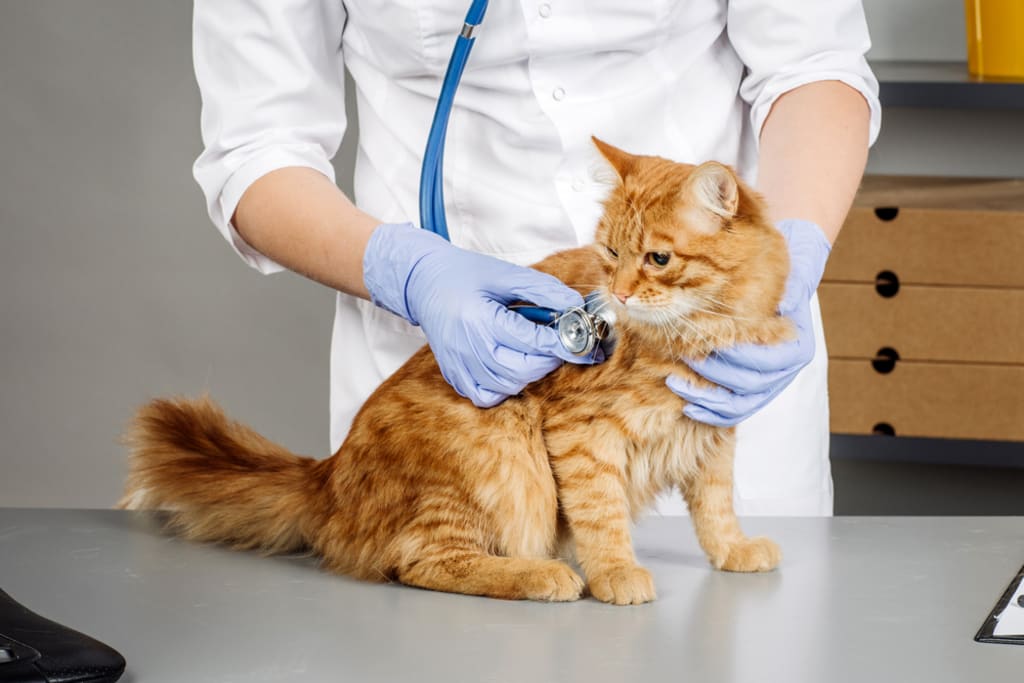
There are a number of health problems that are common in cats and kittens. Some of these problems can be treated relatively easily, while others may require more intensive care. In this article, we will discuss the most common health problems in cats and kittens, and how you can treat them.
Overview of common health problems in cats and kittens
Cats and kittens are susceptible to a variety of health problems, some of which are quite common. In this article, we will take a look at the most common issues, and provide information on how to treat them.
Infections
One of the most common health problems in cats and kittens is infection. Infections can be caused by bacteria, viruses, or parasites, and can affect any part of the body. Symptoms of infection can vary depending on the type of infection, but may include fever, swollen lymph nodes, diarrhea, or vomiting.
Parasites
Another common problem in cats and kittens is parasites. Parasites can be internal (such as roundworms or tape worms) or external (such as fleas or ticks). They can cause a variety of problems, including diarrhea, weight loss, anaemia, and skin irritation.
Injuries
Injuries are also common in cats and kittens. They can be caused by accidents, such as being hit by a car, or by fights with other animals. Injuries can also be caused by things like barbed wire or thorns. Symptoms of an injury can vary depending on the type and location of the injury, but may include swelling, bleeding, or pain.
Other health problems
In addition to infections, parasites, and injuries, cats and kittens can also be susceptible to a variety of other health problems. These can include things like kidney disease, liver disease, or diabetes.
Treatment for common health problems in cats and kittens
The treatment for common health problems in cats and kittens will vary depending on the problem involved. However, there are a few general things that can be done to help. For infections, antibiotics or antiviral medications may be prescribed. For parasites, medications or pesticides may be used to get rid of them. And for injuries, treatment will depend on the severity of the injury and may include things like surgery, bandages, or antibiotics.
Ear Infections
Ear infections are one of the most common health problems in cats and kittens. Ear infections can be caused by a variety of factors, including bacteria, yeast, or parasites. Symptoms of an ear infection include scratching at the ears, head shaking, and discharge from the ears. If you suspect that your cat has an ear infection, you should take him or her to the veterinarian for treatment.
The veterinarian will likely prescribe antibiotics or other medications to treat the infection. In some cases, the veterinarian may also recommend surgery to remove the infected tissue. It is important to make sure that your cat completes the entire course of medication prescribed by the veterinarian, even if he or she seems to be feeling better. Otherwise, the infection may come back.
Urinary Tract Infections
Urinary tract infections are another common health problem in cats and kittens. Urinary tract infections can be caused by a variety of factors, including bacteria, viruses, or parasites. Symptoms of a urinary tract infection include straining to urinate, increased frequency of urination, and blood in the urine. If you suspect that your cat has a urinary tract infection, you should take him or her to the veterinarian for treatment.
The veterinarian will likely prescribe antibiotics or other medications to treat the infection. In some cases, the veterinarian may also recommend surgery to remove the infected tissue. It is important to make sure that your cat completes the entire course of medication prescribed by the veterinarian, even if he or she seems to be feeling better. Otherwise, the infection may come back.
Diarrhea
Diarrhea is another common problem in cats and kittens. Diarrhea can be caused by a variety of factors, including bacteria, viruses, or parasites. Symptoms of diarrhea include frequent and watery bowel movements, dehydration, and weight loss. If you suspect that your cat has diarrhea, you should take him or her to the veterinarian for treatment.
The veterinarian will likely prescribe antibiotics or other medications to treat the infection. In some cases, the veterinarian may also recommend surgery to remove the infected tissue. It is important to make sure that your cat completes the entire course of medication prescribed by the veterinarian, even if he or she seems to be feeling better. Otherwise, the infection may come back.
Fleas and Ticks
Fleas and ticks are another common problem in cats and kittens. Fleas can cause a variety of problems, including skin allergies, anemia, and tapeworms. Ticks can transmit a number of diseases, including Lyme disease, Rocky Mountain spotted fever, and ehrlichiosis.
If your cat has fleas or ticks, you should take him or her to the veterinarian for treatment. The veterinarian will likely prescribe a flea and tick preventative, such as a topical medication or a pill. It is important to make sure that your cat receives the entire course of medication prescribed by the veterinarian, even if he or she seems to be feeling better. Otherwise, the infection may come back.
Parasites
Parasites are another common problem in cats and kittens. Parasites can be caused by a variety of factors, including bacteria, viruses, or parasites. Symptoms of parasites include diarrhoea, weight loss, vomiting, and anaemia. If you suspect that your cat has parasites, you should take him or her to the veterinarian for treatment.
The veterinarian will likely prescribe antibiotics or other medications to treat the infection. In some cases, the veterinarian may also recommend surgery to remove the infected tissue. It is important to make sure that your cat completes the entire course of medication prescribed by the veterinarian, even if he or she seems to be feeling better. Otherwise, the infection may come back.
About the Creator
Keep reading
More stories from Ammar Hassan and writers in Petlife and other communities.
10 Important pieces of furniture for your bedroom
Furniture is important for a bedroom because it provides a place to sleep, store belongings, and dress. A bed takes up the majority of space in a typical bedroom, so it is important to choose one that is comfortable and stylish. A dresser or chest of drawers allows you to store clothing and keep your bedroom organized. A nightstand provides a convenient place to put a lamp or alarm clock. Finally, a mirror helps you get ready for your day. By choosing the right furniture for your bedroom, you can create a stylish and comfortable space that is perfect for relaxing or entertaining guests. If you're looking for high-quality, durable furniture that will add style and comfort to your bedroom, consider investing in teak Garden Furniture.
By Ammar Hassan4 years ago in Lifehack
A Dart at Dusk
Seconds ago, the sullen sun set on the two of us… my exuberant furry companion and me. A fresh breeze embraces us, delivering welcome relief from the day’s oppressive heat. His typical stumbling and staggering along — apace with a sloth — has turned into trip-trapping, high-stepping, almost skipping along.
By Angie the Archivist 📚🪶9 days ago in Petlife


Comments
There are no comments for this story
Be the first to respond and start the conversation.