
The Importance of Animal Life: Protecting Our Planet’s Vital Creatures
How Animals Maintain Nature’s Balance and Why We Must Preserve Them

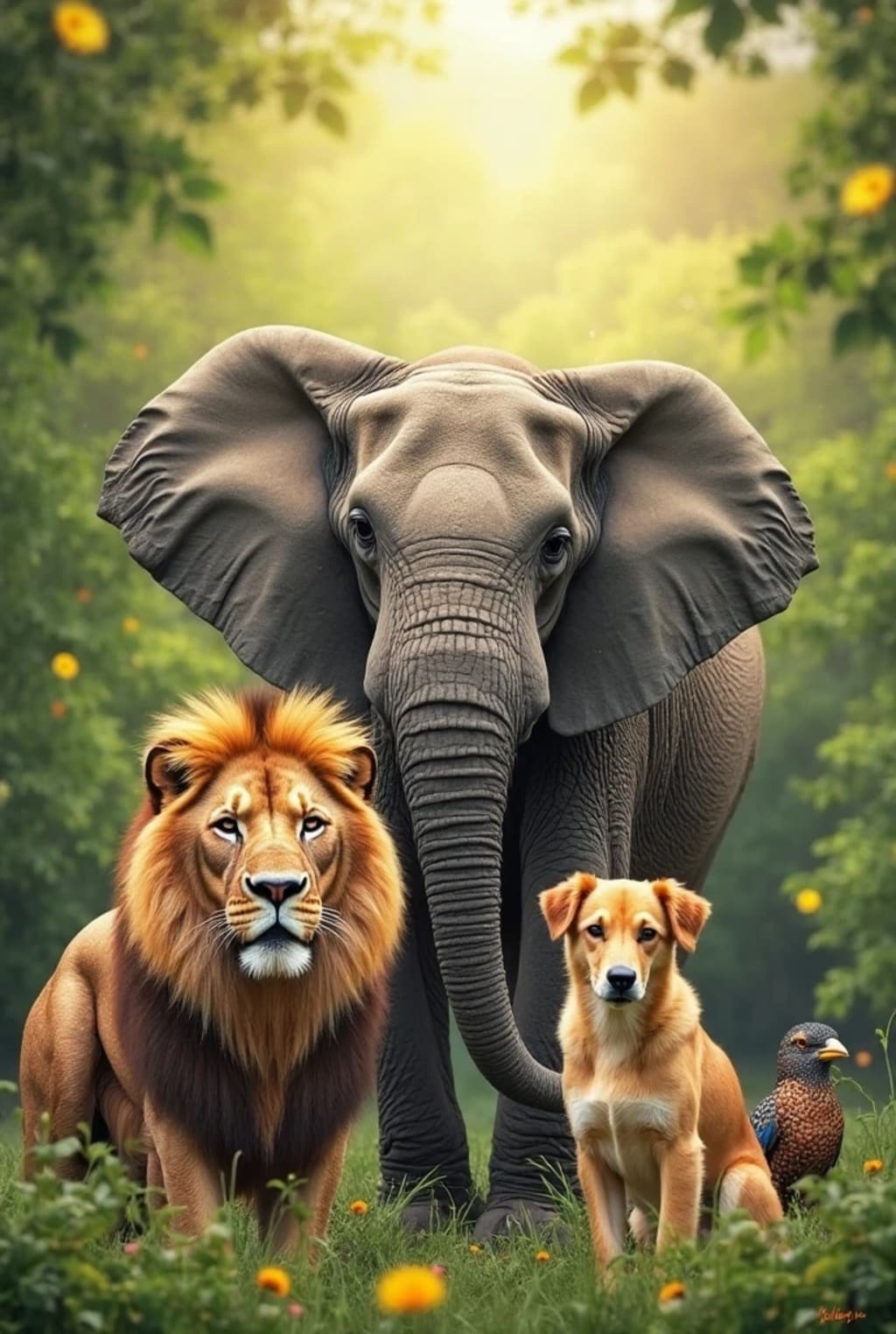
Animal life is an essential and fascinating part of our world. From the tiniest insect to the largest mammal, animals contribute significantly to the balance of nature and the survival of ecosystems. Every creature, no matter how small or big, plays a role that supports the web of life on Earth. Understanding and protecting animal life is crucial for the health of our planet and for the future of humanity.
Animals live in a wide variety of habitats. Some are found in dense forests, others in deserts, mountains, rivers, and oceans. Wild animals, such as lions, elephants, and eagles, live in natural environments without direct human control. On the other hand, domestic animals like cows, goats, dogs, and cats live alongside humans and often depend on us for care and shelter. Both types of animals are important for maintaining the ecosystem balance.
One of the main reasons why animal life is so important is their role in the food chain. Animals serve as producers, consumers, and decomposers in nature. Herbivores feed on plants, carnivores hunt other animals, and omnivores eat both plants and animals. This complex system ensures that energy and nutrients flow smoothly in the environment. Without animals, many plants would grow uncontrollably, or some species could become extinct, disturbing the entire ecosystem.
Pollination is another critical service provided by many animals. Bees, butterflies, bats, and birds help pollinate flowers, which allows plants to produce fruits and seeds. This process supports the growth of crops and wild plants that humans and animals rely on for food. Similarly, animals help disperse seeds by eating fruits and spreading them in different locations through their droppings. This natural seed dispersal leads to the growth of new plants and forests.
Animals also help keep ecosystems clean and healthy. Scavengers like vultures and hyenas consume dead animals, preventing the spread of disease. Other animals, like earthworms and certain insects, help break down organic matter and enrich the soil. These natural processes are vital for maintaining fertile land and clean water sources.
Despite their importance, animal life faces many threats today. Human activities have caused habitat destruction through deforestation, urbanization, and agriculture expansion. Pollution from chemicals, plastics, and other waste harms animals’ health and environments. Illegal hunting and poaching threaten many species with extinction. Climate change is disrupting weather patterns and natural habitats, making survival difficult for some animals. For example, coral reefs are dying due to rising ocean temperatures, affecting thousands of marine species.
Many species are now endangered or vulnerable. According to the International Union for Conservation of Nature (IUCN), thousands of animals are at risk, including iconic species like tigers, rhinos, and orangutans. Protecting these species is important not only for their survival but also for the overall health of ecosystems.
To save animal life, many countries have established wildlife reserves, national parks, and protected areas. These places provide safe habitats where animals can live and reproduce without fear of hunting or habitat loss. Laws have been passed to ban poaching and trade of endangered animal products. Conservation organizations work globally to protect wildlife and educate people about the importance of animals.
As individuals, we also have a responsibility to help protect animal life. Supporting conservation groups, avoiding products made from endangered animals, and reducing pollution can make a difference. Simple actions like using less plastic, recycling, and planting trees help preserve animal habitats. Raising awareness among friends and family about the importance of animal life encourages a culture of care and respect for nature.
Animals not only support the environment but also enrich human life. Many cultures around the world revere certain animals and include them in their traditions, stories, and religions. Pets provide companionship and emotional support to millions of people. Wildlife tourism helps local economies and creates incentives to protect natural habitats.
In conclusion, animal life is a vital component of Earth’s ecosystems. They maintain natural processes, support biodiversity, and contribute to human well-being. Protecting animals from extinction and preserving their habitats is essential for the balance of nature and the future of the planet. By understanding their importance and taking action to conserve animal life, we ensure a healthier, more sustainable world for ourselves and future generations.
About the Creator
A Dart at Dusk
Seconds ago, the sullen sun set on the two of us… my exuberant furry companion and me. A fresh breeze embraces us, delivering welcome relief from the day’s oppressive heat. His typical stumbling and staggering along — apace with a sloth — has turned into trip-trapping, high-stepping, almost skipping along.
By Angie the Archivist 📚🪶6 days ago in Petlife



Comments
There are no comments for this story
Be the first to respond and start the conversation.