
The Energetic and Fearless Companion: A Guide to the Miniature Pinscher Dog Breed
Learn About the Miniature Pinscher's Origins, Personality, and Care Needs

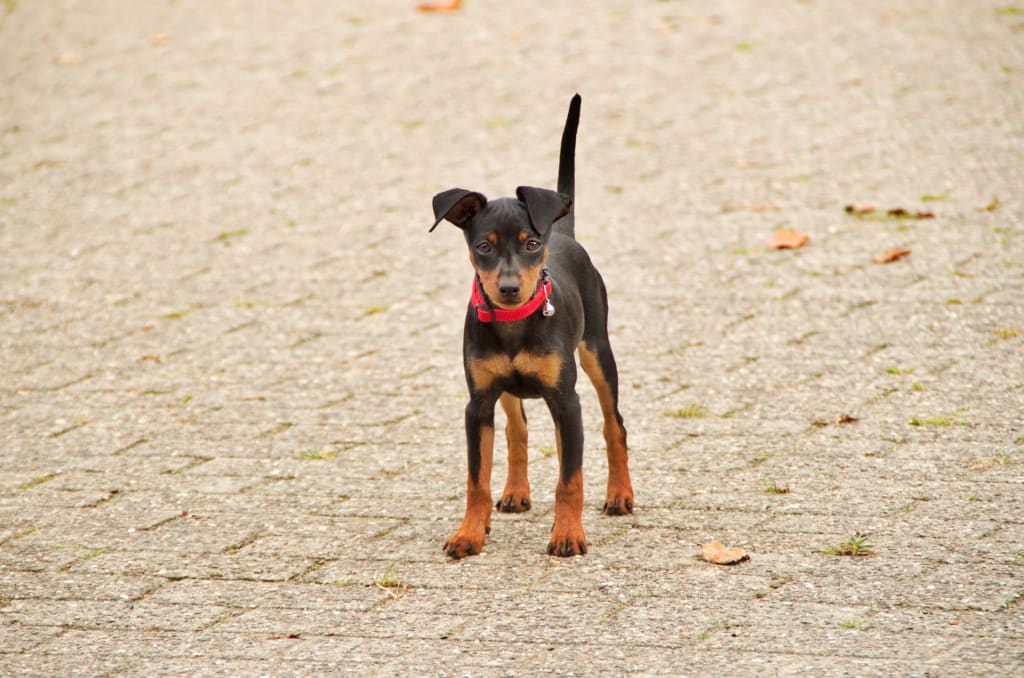
The Miniature Pinscher, originating in Germany, was bred to hunt rodents such as rats in homes and stables. Although it may seem similar to the Doberman, the Min Pin is an older, distinct breed and was not developed by breeding Dobermans to smaller sizes.
Despite being purebred, these dogs can often be found in shelters and rescue groups. Consider adoption, not shopping, when looking to bring a canine companion into your home.
Miniature Pinschers, known as the "King of Toys" for their majestic look and self-assured nature, are an energetic, alert, and fearless breed of companion dogs who thrive on human companionship. Though they can adjust to living in an apartment, they need plenty of activity to keep their energy levels up. If you can give them the physical and mental stimulation they need, they'll make wonderful family members who are sure to keep you active and on your toes!
See below for complete list of dog breed traits and facts about Minature Pinschers!
Breed Characteristics:
Adapts well to apartment living. ★★★★★
Despite what many think, just because a dog is small doesn't automatically mean it is suited for apartment living. Many small dogs are too energetic or noisy to be comfortable in an apartment setting. A good apartment dog should be quiet, low-energy, well-behaved indoors, and respectful to other inhabitants. If you have a small dog, you can find a great crate to provide them with a bit of extra space in your apartment.
Good For Novice Owners. ★★★☆☆
Certain canines are more straightforward to train than others; they're more open to instruction and tend to be more relaxed. Additionally, they have the resilience to recover from any missteps or inconsistencies on your end.
If you are a first-time dog parent, you may find it challenging to handle dogs that are particularly sensitive, independent-minded, or assertive. To get the best companion for you, consider your level of experience with dogs when selecting your new furry friend.
If you're just starting out with owning a dog, check out 101 Dog Tricks to learn how to train your pup!
Sensitivity Level ★★★★★
For those who lead a busy or hectic life, a low-sensitivity dog is the perfect choice. These "easygoing," "tolerant," "resilient," and "thick-skinned" dogs can better cope with a noisy and chaotic household, an assertive owner, and an inconsistent routine. Unlike some dogs who take even a dirty look to heart, these types of dogs can simply shake off a stern reprimand.
Tolerates Being Alone ★★☆☆☆
Certain breeds tend to form strong bonds with their family and may become anxious if left alone. This can lead to them becoming destructive, including barking, whining, chewing and other disruptive behaviors. To help these dogs, it's best for a family member to be at home during the day, or for the dog to accompany its owner to work.
Tolerates Cold Weather ★☆☆☆☆
Dogs with very short fur and no undercoat or body fat, such as Greyhounds, are susceptible to cold temperatures. Those with a low tolerance for cold should remain indoors in cold climates and should wear a jacket or sweater when out for a walk. Find a suitable jacket for your pup here!
Tolerates Hot Weather ★★★☆☆
Breeds with thick, double coats and short noses such as Bulldogs or Pugs are more prone to overheating due to their inability to pant and cool off. If you own such a heat-sensitive breed, it is important to keep them indoors during hot and humid days and to be particularly careful when exercising your pet in the heat.
Affectionate With Family ★★★★★
Some breeds may be independent and aloof, even if they were raised by the same person since puppyhood, while others may have a strong bond with one person and be more indifferent to others. Still, some may demonstrate affection towards the entire family. While breed may affect a dog's level of affection, those raised in a home with people around tend to be more comfortable with humans and form attachments more easily.
Kid-Friendly ★★★☆☆
It may come as a surprise, but some seemingly intimidating breeds such as Boxers and American Staffordshire Terriers (Pit Bulls) are great with kids. The key is to find a dog that is gentle and can handle an occasional rough hug or loud outburst. On the other hand, small dogs like Chihuahuas may not be as well-suited for a family environment. To find a kid-friendly pup, look for a pet that is calm and tolerant of the commotion children often bring.
**No two dogs are the same; our ratings are simply generalizations. Any breed of dog can be friendly with children depending on their past experiences, training, and personality. However, all dogs have powerful jaws, pointed teeth, and may bite if they are in a stressful situation. It is always important to remember that children and dogs of any breed must always be supervised by an adult and should never be left alone together.
Dog-Friendly ★★☆☆☆
Canine social skills vary greatly, and they are not always correlated with how friendly a dog is towards humans. Some dogs may be gentle and affectionate with people yet aggressive towards their peers, while others may be more amiable when interacting with other dogs. Furthermore, breed is not the only factor to consider; puppies that are given the opportunity to socialize with their littermates and mother until they are six to eight weeks of age, and who are allowed to play with other dogs, are more likely to develop positive social skills.
Friendly Toward Strangers ★★★☆☆
No matter the breed, dogs that have been socialized and exposed to many different people as puppies will be more welcoming of strangers as an adult. Generally, these "stranger-friendly" dogs will greet visitors with wagging tails and nuzzles. On the other hand, some dogs may be shy, indifferent, or even aggressive. Nevertheless, it is important to keep all dogs on a secure leash in public.
Health And Grooming Needs
Amount of Shading ★★☆☆☆
If you're considering getting a dog, you should be aware that there will likely be some dog hair on your clothes and in your home. The amount of shedding varies amongst breeds; some shed year-round, some seasonally, some do both, and some hardly at all. If you're a neatnik, you'll have to pick a low-shedding breed or adjust your expectations. To help keep the house a bit tidier, check out this great de-shedding tool!
Drooling Potential ★☆☆☆☆
For those who don't mind the mess, drool-prone dogs may be their ideal companion. However, those who prefer to stay neat and clean may want to opt for a pooch with less of a propensity for slobbering. When greeting an owner, drool-prone dogs might drape ropes of saliva on your arm, leaving big, damp spots on your clothing.
Easy To Groom ★★★★★
Think about whether you have the time, patience, and means to groom a dog that needs regular bathing, clipping and other care to remain clean and healthy. Or, if you prefer, opt for a breed of "brush-and-go" dog that requires less maintenance.
General Health ★★★☆☆
Due to inadequate breeding, certain breeds may be predisposed to certain genetic health issues, including hip dysplasia. This does not imply that every canine of that breed will experience these ailments; rather, it suggests that they are more likely to.
If you're adopting a puppy, it's wise to research the typical genetic ailments of the breed you're looking at. Additionally, it's beneficial to inquire if the shelter or rescue has information about the physical health of any of the pup's parents or other relatives.
Potential For Weight Gain ★★★★★
Certain breeds tend to gain weight quickly due to their hearty appetites. This can lead to health issues like those in humans. If you choose a breed that is prone to obesity, it is important to control treats, provide adequate exercise, and portion meals into regular servings rather than leaving food out for them to graze on.
Consult your veterinarian to learn more about your canine's nutrition and the best way to feed them to maintain a healthy weight. Excessive weight gain can lead to further health complications or aggravate existing issues such as arthritis.
Trainability
Easy To Train ★★★☆☆
Dogs that are easily trained are more likely to quickly understand the connection between a command (such as the word "sit"), the corresponding action (sitting), and the reward (a treat) with less time, effort, and repetition. Other dogs may take more time, patience, and repetition to learn.
Many breeds are smart but may have a "What's in it for me?" mindset when it comes to training, so rewards and games can be used to help them understand why it's important to follow instructions.
Intelligence ★★★☆☆
Dogs who were bred to work in occupations that require intelligence and focus, such as herding livestock, must have their brains exercised, just like those bred to do physical activities need to exercise their bodies. If they don't receive the required mental stimulation, they will create their own jobs, usually in the form of undesirable activities like digging and chewing. Obedience training, interactive toys, dog sports, and careers such as agility and search and rescue are excellent ways to give a dog a stimulating workout for their brains.
Potential For Mouthiness ★★☆☆☆
Mouthiness is a common trait in puppies of most breeds, and especially so in Retrievers throughout their lives. This refers to nipping, chewing, and play-biting (a gentle bite that doesn't break the skin). Mouthy dogs may attempt to ‘herd’ their owners with their mouths; it is necessary to teach them that it is acceptable to chew on toys, but not people. Favorites activities for these breeds include fetching and chewing on toys filled with treats.
Pray Drive ★★★☆☆
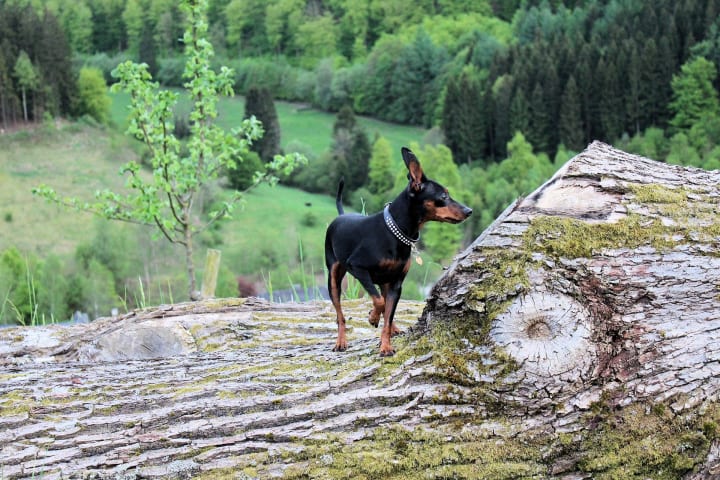
Terriers and other breeds bred for hunting have an innate drive to pursue--and sometimes even kill--other animals. Moving objects, such as cats, squirrels, or vehicles, can spark this instinct. To keep these breeds safe, they must be secured on a leash when outdoors, and a high, enclosing fence should be present in the yard. These breeds may not be suitable for households with smaller animals that may resemble prey, i.e., cats, hamsters, or toy dogs. Breeds that were originally bred to hunt birds, however, are unlikely to chase but may be distracted by birds flying nearby.
Tendency To Bark or Howl ★★★★★
When selecting a particular breed, it is important to consider how often the dog barks or howls. If a hound is under consideration, would the sound of their signature howls be appreciated or become an annoyance? If a watchdog is chosen, will the presence of many "strangers" lead to constant alertness? Additionally, if local wildlife is likely to excite the pup, a quieter breed may be the best option. It is also important to think about any noise restrictions or proximity to neighbors when making the decision.
Wanderlust Potential ★★★★★
Certain breeds are known for their adventurous nature. Siberian Huskies, for example, were bred to roam over long distances, and when presented with an opportunity, they may follow whatever has sparked their interest. Many hounds, too, often feel the urge to follow their noses - or a rabbit that has dashed across their path - regardless of whether they leave you behind.
Physical Needs
Energy Level ★★★★☆
Dogs with high energy levels are always eager and prepared for action. Bred for a specific purpose, such as retrieving game or managing livestock, these dogs have the capability to work for long periods of time. To stay healthy and content, they need plenty of exercise and mental stimulation. They will often be seen jumping, playing, and exploring any new sights or smells.
If you're looking for a pup with a laid-back attitude, low-energy dogs may be the perfect choice. Like a lazy person, these breeds tend to be more content to chill and nap throughout the day. When selecting a canine companion, consider your own activity level and lifestyle, and determine if you'd prefer a lively, energetic pup or one that is more relaxed and mellow.
Intensity ★★★☆☆
A pup with vigor may not be brimming with energy, but whatever they do, they always do so with enthusiasm. Leash training is a must as they can be quite determined to pull away. Challenges are met with determination and meals are gobbled up with gusto. Training is essential to ensure good behavior around children, the elderly and those of a more fragile disposition. At the other end of the spectrum, a pup with low vigor tends to take things at a more leisurely pace.
Exercise Needs ★★★★☆
Some breeds are content with a leisurely walk around the block in the evening. Others, such as those bred for herding or hunting, require regular, vigorous physical activity each day.
Exercising is essential for breeds that require a lot of physical activity, otherwise they can put on weight and act out in undesirable ways, such as barking, chewing, and digging. These types of dogs are best for those who enjoy outdoor activities or who are interested in participating in high-energy dog sports, such as agility.
Potential For Playfulness ★★★★★
If you're looking for a canine companion, it's important to consider the type of pup that best suits your lifestyle. Some dogs are always ready for playtime - perpetually begging for games like fetch or tag - whereas others may be more serious and sedate. While a playful pup can be endearing, you should also think about how much time you must devote to playtime, as well as whether you have any other kids or dogs who can join in the fun.
More About This Breed
When you meet a Miniature Pinscher, you'll find they are small but mighty! These elegant, well-muscled canines have an impressive arched neck and weigh between 8 and 11 pounds. With their "Min Pin rule" attitude, they make a delightful addition to any home.
The Min Pin, although similar in appearance to a Doberman, is an entirely distinct breed. It is thought that both the Min Pin and the Doberman have descended from the German Pinscher, yet the Doberman is speculated to have more ancestors such as the Rottweiler while the Min Pin is believed to have the Dachshund and Italian Greyhound as its progenitors.
There is a common misconception that the Miniature Pinscher and the Manchester Terrier are closely related, however, these two breeds are not in any way related.
This breed, called Zwergpinscher in its country-of-origin Germany, was originally bred to hunt rats. In German, 'pinscher' refers to dogs bred as guardians or vermin hunters and 'zwerg' translates to "dwarf" or "midget".
The Min Pin may look delicate, but they are a sturdy breed with an energetic personality. If you're thinking of owning one, you need to be a strong and loving pack leader and provide consistent training and socialization. This King of Toys will take charge of your household, so you need to be willing to be in control. The Min Pin have their own independent spirit, making them a unique breed.
The Min Pin is an elegant-looking canine, boasting an arched neck and muscular physique that gives him an air of confidence. His glossy, easy-to-care-for coat of red, black, and rust, or chocolate and rust, shines. His ears may be cropped, but they can also be left natural, and his tail is usually docked. He is most recognized for his high-stepping gait.
The diminutive "Min Pin" is a bundle of energy, full of vitality and curiosity. He's always eager to explore and investigate, and he may even try to eat something he shouldn't. He's an escape artist, so it is important to keep an eye on him and never let him be outside without a leash. You also must be careful when opening the front door, as he may take the opportunity to make a break for it.
The Min Pin is not suitable for all people, particularly those new to owning a dog. His enthusiasm and cleverness can be unexpected for some. Without the correct guidance and monitoring, he can quickly become difficult to manage in the home.
The confident Miniature Pinscher is an excellent guard dog, exhibiting vigilance towards unfamiliar people and displaying bravery in the face of potential danger, both real and imagined.
Despite their toughness and energy, the Miniature Pinscher is not large or sturdy enough to handle the unintentional roughness sometimes seen with younger children. Therefore, they make an ideal pet for older kids aged 10 and up, who understand how to handle a small dog with care and respect.
Due to its small size, the Miniature Pinscher is an ideal pet for those living in apartments. Socializing with other dogs from a young age will ensure that the Min Pin develops positive relationships with other canines and other types of pets in the household.
Enrolling your Min Pin in training classes is important due to his energy and tendency to escape. He may be the class clown though, as he loves attention and may act up to gain it. Training should be consistent, positive, and gentle for best results.
The Miniature Pinscher might be the ideal canine companion if you possess a great sense of humor and appreciate the stylish, confident look of a dog. As the "alpha" of the household, you must be prepared to provide the necessary guidance and discipline for this breed.
Highlights
• Miniature Pinschers are hardy little dogs, but they can be easily injured by roughhousing. Because of this, they're better suited as pets for older children who have learned how to care for a dog properly.
• The Min Pin is sensitive to cold. Be sure to put a sweater or coat on him when you take him outside in really cold weather.
• Because they were originally bred to hunt vermin, Min Pins may attack small objects (such as bottle caps), which can be a choking hazard. He may also take off after small pets that he perceives as prey.
• Min Pins have a lot of energy — probably more than you have. They're also very curious. You must supervise your Min Pin constantly, and if you can't, put him in a crate.
• You must be willing to take the position of "alpha" in your household. If you don't, the Min Pin will gladly assume the role.
• To get a healthy dog, never buy a puppy from an irresponsible breeder, puppy mill, or pet store. Look for a reputable breeder who tests her breeding dogs to make sure they're free of genetic diseases that they might pass onto the puppies, and that they have sound temperaments.
History
The Miniature Pinscher is believed to be an ancient breed, however records only show it reliably existing for several hundred years. Developed in Germany, it was bred to be a pest-controller, helping to eradicate rats from homes and stables.
The Miniature Pinscher, first called the Reh Pinscher due to its resemblance to the reh deer found in Germany, is sometimes thought to be a miniature version of the Doberman breed. However, this is not the case, as the Miniature Pinscher is an older breed in its own right.
In 1895, the development of the Miniature Pinscher began when the Pinscher Klub (later renamed the Pinscher-Schnauzer Klub) was established by German breeders. This was when the first breed standard was written and Miniature Pinschers were first presented at the Stuttgart Dog Show in Germany in 1900 - a time when this breed was not widely known outside of its homeland.
From 1905 until the start of World War I, the Miniature Pinscher was gaining popularity in Germany. After the war, breeders from Germany and Scandinavian countries worked to improve the line. In around 1919, the first Miniature Pinschers were imported to the US. Initially, only a few were entered in American Kennel Club shows. However, by 1929, the Miniature Pinscher Club of America, Inc. had been established.
In 1929, the AKC officially recognized the Miniature Pinscher breed. Initially, they were categorized in the Terrier group, but in 1930, they were reclassified as Toys and referred to as Pinscher (Miniature). It wasn't until 1972 that they were officially given their current name of Miniature Pinscher.
Size
Males and females stand 10 to 12.5 inches high and weigh 8 to 11 pounds.
Personality
The Min Pin is often referred to as the "King of Toys" for good reason. His lively, self-assured temperament can both charm and frustrate his owners. He is intrepid, inquisitive, and always ready for excitement. His energy is inexhaustible, and he is both smart and vigorous. Furthermore, he makes an impressive guard dog.
Living with a Miniature Pinscher is like having a detective in the house. This small breed is curious and loves to explore, so it's important to watch him closely and keep him safely tucked away in a crate when not supervised. Crate training is essential for this breed, as they need a secure environment and boundaries to help keep them out of trouble.
Be mindful of the Miniature Pinscher's tendency to escape. They may spot a vulnerable area in the fencing or quickly rush out the entrance when you open the door. It is essential to be watchful to ensure the safety of this breed.
The Min Pin is not one to just lounge around; he's too active for that. Yet he is full of love and affection for his family. He loves to put on a show and will often act the part of the jester for the attention he desires.
The temperament of a puppy can be influenced by a range of elements, including genetics, upbringing and socialization. Those with pleasant temperaments tend to be inquisitive and energetic, ready to come to people and be handled. When selecting a puppy, it is best to go for the one that is neither excessively aggressive towards its littermates nor overly timid.
It is recommended to always meet at least one of the puppy's parents - usually the mother - to assess their temperament and to ensure you are comfortable with them. Additionally, meeting any siblings or other relatives of the parents can provide valuable insight into what the puppy's personality may be like when they reach adulthood.
Every Min Pin requires early socialization to become a well-rounded dog. This includes introducing them to various people, sights, sounds, and experiences during their puppy years. Socialisation is key for every dog, and especially for the Min Pin.
Enrolling in a puppy kindergarten class is a beneficial beginning. Helping him become accustomed to new people and environments by inviting visitors, taking him to parks, dog friendly stores and walking around the neighbourhood to meet people will assist in improving his social abilities.
Health
Min Pins generally tend to be healthy, yet like all breeds, they can be susceptible to specific health issues. Not all Min Pins will encounter any or all these diseases, but it's important to be aware of them if you're thinking about this breed.
When looking for a puppy, make sure to find a reputable breeder who can provide health clearances for the puppy's parents. Health clearances demonstrate that the dog has been tested and is free from certain diseases.
When considering Miniature Pinschers, you should expect to see health clearances from the Orthopedic Foundation for Animals (OFA) for hip dysplasia (with a score of fair or better), elbow dysplasia, hypothyroidism, and von Willebrand's disease; from Auburn University for thrombopathia; and from the Canine Eye Registry Foundation (CERF) verifying that eyes are normal. To confirm these clearances, you may consult the OFA website (offa.org).
Progressive Retinal Atrophy (PRA): This family of eye conditions is characterized by a gradual deterioration of the retina. Initially, dogs may experience night-blindness, with a subsequent loss of daytime vision as the disease progresses. However, many dogs can adapt to the reduced or absent vision if their environment remains unchanged.
Legg-Calve-Perthes Disease: Miniature Pinschers are prone to the condition known as Legg-Perthes, which affects the hip joint. Symptoms such as limping and muscle atrophy typically appear when puppies are between four to six months old. This ailment is caused by a decrease in blood supply to the head of the femur (the large rear leg bone), which results in it disintegrating and disconnecting from the pelvis. Fortunately, surgery can correct the condition and bring about a pain-free puppy.
Epilepsy: Idiopathic epilepsy is a neurological condition which may be inherited, causing seizures that can range from mild to severe. Seizures may manifest as unusual behavior (e.g. running frantically, staggering or hiding) or by falling down, becoming rigid and losing consciousness. Although these episodes can be distressing to witness, the long-term outlook for dogs with idiopathic epilepsy is usually positive. Therefore, it is essential to take your canine companion to the vet for a correct diagnosis (especially since seizures can have other causes) and treatment.
Hypothyroidism: Disorder of the thyroid gland, hypothyroidism, is believed to be the cause of conditions such as epilepsy, alopecia (hair loss), obesity, lethargy, hyperpigmentation, pyoderma and other skin issues. Medication and diet are the treatments for this ailment.
Patellar Luxation: Patellar luxation, also known as "slipped stifles", is a common issue in small dogs. It is the dislocation of the kneecap (patella) from its normal position in the knee joint, resulting in pain and potentially crippling effects. Despite this, many dogs with the condition are still able to lead relatively normal lives.
Care
Ensuring the safety of a curious Min Pin necessitates taking the same precautions as one would for a crawling baby or toddler, such as 'baby-proofing' the home.
Ensure that all small items (such as keys, coins, and children's toys) stay out of the Min Pin's reach. Any medication must be kept away securely, as the Min Pin will consume any pills they come across on the floor. After each use, be sure to store the medication safely.
Examine your yard and fence with a keen eye. Look for and repair any gaps or openings, as something your size can fit through may be a viable option for your Min Pin too. Additionally, ensure that all doors, windows, and their accompanying screens are robust and safe.
To ensure your Min Pin puppy grows into a well-rounded dog, early socialization and training is necessary. As with any dog, lack of socialization in the early stages can lead to timidity or aggression. Thus, it is important to provide your Min Pin with early socialization and training for their best development.
For the Min Pin, even experienced dog owners new to the breed should consider working with a trainer who knows this lively breed. With the Min Pin, it is essential to be a strong pack leader, as they can easily take charge otherwise. Due to their lively demeanor, the Min Pin is not recommended for first-time dog owners. Establishing firm leadership is key in this situation, while avoiding dominating with an iron fist.
With its short coat, the Min Pin is particularly sensitive to cold temperatures. Get him a sweater to wear during chilly winter months to help keep him warm.
Feeding
It is advised to feed your pet a daily amount of 1/2 to 1 cup of premium dry food, split into two meals.
The amount of food your adult dog requires is determined by their size, age, physique, metabolism, and activity level. Just like people, every dog is different and requires a unique amount of food. A dog with higher activity levels will need more food than one who is more inactive. The quality of the food you buy also matters; higher quality dog food will provide more nourishment with less of it being necessary to put in the dog's bowl.
Maintain your Min Pin's wellbeing by monitoring his portions and providing two meals a day instead of leaving food out continuously. If you are uncertain whether he is overweight, assess him visually and physically.
Gently examine his waist. Place your hands on his back, fingers slightly spread apart and thumbs along the spine. You should be able to feel his ribs without pressing too hard. If they are not visible, he may need to reduce his food intake and increase activity levels.
Learn more about feeding your Min Pin by following our guidelines for selecting the appropriate food, feeding your puppy, and feeding your adult dog.
Coat Color And Grooming
The Min Pin has a stunningly attractive short and sleek coat, with colors ranging from red, black, and rust to chocolate and rust.
This grooming routine for the Min Pin is simple and straightforward: brushing every few days with either a soft bristle brush or grooming mitt helps keep the coat shiny. Bathing should be avoided as it can dry the skin, but it's okay to do so if the Min Pin has been rolling in something smelly or is very dirty.
Many owners opt to use a wet washcloth with warm water to clean their Min Pin, instead of bathing. Starting with the face, gently wipe the area around the eyes and work your way back towards the tail. Doing this every few days will help keep the Min Pin's coat clean and healthy.
Brush your Min Pin's teeth two or three times per week to eliminate tartar and bacteria. For the best results, daily brushing will help prevent gum disease and bad breath.
If your dog doesn't wear their nails down naturally, it is important to trim them once or twice a month. You can find a Quiet Painless Paws Grooming Nail Grinder. If you can hear them clicking against the floor, they are too long and can result in painful tears and other issues. As dog toenails contain blood vessels, it is important to be careful when trimming them as excessive cutting can cause bleeding. If you do not have experience with trimming dog nails, it is recommended to seek advice from a vet or groomer.
Weekly, check your dog's ears for redness or bad odor, as these can signal an infection. Wipe the outside of the ear with a cotton ball dampened with gentle ear cleaner, which is pH-balanced to help prevent infections. Do not insert anything into the ear canal.
When your Min Pin is a puppy, start getting them used to being groomed and checked. Gently handle their paws, as dogs are sensitive about them, and look inside their mouth. Ensure the experience is positive, with plenty of praise and rewards, so that it sets them up for smooth veterinary examinations and other handling when they are an adult.
When grooming, examine the skin, nose, mouth, eyes, and feet for any sores, rashes, redness, tenderness, inflammation, or other signs of infection. The eyes should be clear with no redness or discharge. Performing a weekly check-up can assist in identifying potential health problems early.
Children And Other Pets
If a Miniature Pinscher is raised with children who handle him carefully and lovingly, he will be deeply devoted to them and be a faithful friend. On the other hand, if children are allowed to grab or be rough with him, even unintentionally, he could grow to have a negative attitude towards them or, at the very least, try to stay away from them as much as he can. Kids aged 10 and above are best suited to having a Min Pin as a pet.
It is essential to educate children on the proper way to interact with dogs and to always supervise any interactions between dogs and young children to avoid biting, ear or tail pulling. Ensure your child refrains from approaching a dog while it is eating or sleeping or trying to take away its food. Never leave a dog, irrespective of its friendliness, unsupervised with a child.
Many people who own Min Pins may find that, when properly socialized and trained, these dogs can get along with other dogs just fine (although there may be some occasional bossiness as they work out who's the leader). Nonetheless, it's important to remember that Min Pins have an instinct to chase smaller animals, so they may not be suitable for homes with small mammals.
Rescue Groups
Obtaining a Miniature Pinscher without knowing the responsibilities of ownership is common. To help these dogs in need, there are many rescues available to adopt or foster a Miniature Pinscher. We have listed some of these rescues, but if you don't find one in your area, contact the national or local breed club for assistance in locating a Miniature Pinscher rescue.
• Internet Miniature Pinscher Service
• Miniature Pinscher Club of America Rescue
• Adopt Min Pin Rescue Miniature Pinscher
Breed Organizations
About the Creator
Victor Pastor
I write stories to inspire and encourage others. I believe in the power of positivity and the impact it can have on people's lives. With my stories, I aim to evoke emotions, spark new perspectives, and help people realise their potential.
Keep reading
More stories from Victor Pastor and writers in Petlife and other communities.
A Dart at Dusk
Seconds ago, the sullen sun set on the two of us… my exuberant furry companion and me. A fresh breeze embraces us, delivering welcome relief from the day’s oppressive heat. His typical stumbling and staggering along — apace with a sloth — has turned into trip-trapping, high-stepping, almost skipping along.
By Angie the Archivist 📚🪶6 days ago in Petlife
What Does It Mean When a Puppy Sleeps Near You?
The Hidden Messages Behind Your Puppy’s Sleep Habits—and Why It Speaks Volumes About Their Bond With You --- You’ve just settled into your favorite chair, exhausted after a long day. Your puppy curls up beside you, tail tucked, breathing steady, eyelids slowly closing. It’s peaceful. Heartwarming. Almost magical.
By Ahmed aldeabella4 days ago in Petlife



Comments
There are no comments for this story
Be the first to respond and start the conversation.