
The Benefits of Lamb and Rice Dog Food for Furry Friends
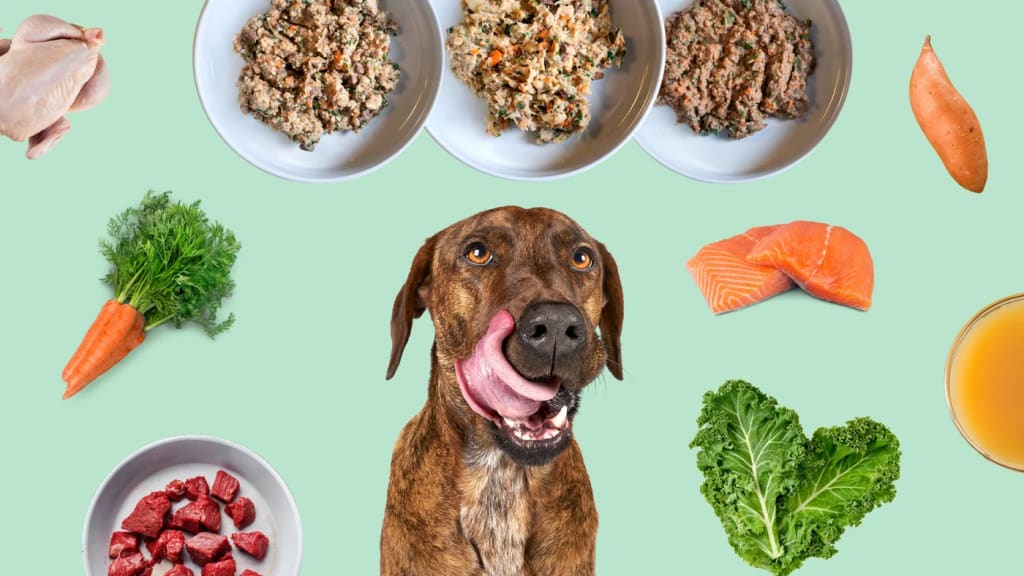
I. Understanding Dog A. The Importance of Quality Ingredients High-quality ingredients are the cornerstone of a healthy diet for dogs. Essential nutrients such as proteins, vitamins, and minerals play crucial roles in maintaining overall health. Essential nutrients for canine health: Nutritional needs vary between dogs, but common requirements include proteins, fats, carbohydrates, vitamins, and minerals+ The role protein in a dog’s diet: Protein is vital for building and repairing tissues, making it essential for growth and muscle maintenance. Balancing carbohydrates, fats, and fiber: Carbohydrates provide energy, fats are necessary for coat and skin health, and fiber aids in digestion.

B. Common Dietary Needs of Dogs
Understanding the specific dietary needs of dogs helps in choosing the right food.
Life stage considerations (puppy, adult, senior): Nutritional requirements change at different life stages. Puppies need more energy and protein, while seniors may benefit from diets lower in calories and higher in fiber.
Activity level and its impact on dietary needs: Active dogs often need higher calorie and protein intake compared to less active counterparts.
Health considerations (allergies, sensitivities): Many dogs suffer from food sensitivities or allergies, necessitating careful ingredient selection.
C. Popular Protein Sources in Dog Food
Different protein sources contribute varying benefits and risks in dog diets.
Comparing animal-based proteins: Common sources include chicken, beef, and lamb, each with unique amino acid profiles.
Plant-based proteins and their place in dog diets: While plant-based proteins can supplement diets, they often lack complete amino acid profiles on their own.
The rise of novel protein options: Novel proteins like kangaroo or rabbit are gaining popularity for dogs with food allergies.
II. Why Choose Lamb for Your Dog
A. Nutritional Profile of Lamb Meat
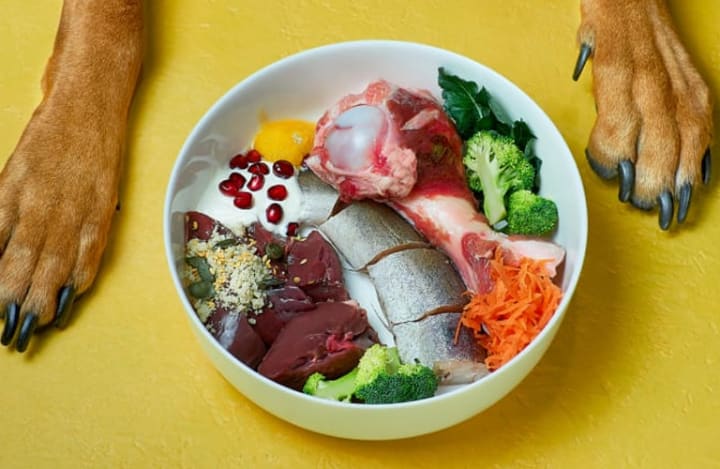
Lamb is often considered a high-quality protein for dogs.
High-quality protein and amino acids: Lamb offers rich protein, providing essential amino acids necessary for health.
Essential vitamins and minerals: It's a source of vital nutrients such as zinc, iron, and B vitamins, contributing to overall health.
Easily digestible properties: Lamb is known for being gentle on the stomach, making it suitable for dogs with sensitive digestive systems.
B. Benefits for Dogs with Allergies
Lamb can serve as an excellent option for dogs facing dietary challenges.
Lamb as a novel protein source: For dogs allergic to common proteins, lamb can reduce allergic reactions and offer a balanced diet.
Symptoms of food allergies in dogs: Symptoms include itching, digestive upset, and skin conditions.
Transitioning to lamb-based diets: It's important to introduce lamb gradually to allow your dog’s system to adjust.
C. The Ethical Consideration of Lamb Sourcing
When choosing lamb dog food, ethical sourcing is a key part of the decision.
The importance of sustainable farming: Choosing lamb from sustainable sources minimizes environmental impact.
Recognizing high welfare standards: It's crucial to know the origins of your dog’s food to ensure animal welfare is respected.
Supporting local vs. mass production: Local farms often adhere to ethical practices, benefiting both the environment and community.
III. The Role of Rice in Dog Food
A. Digestibility and Nutritional Benefits of Rice
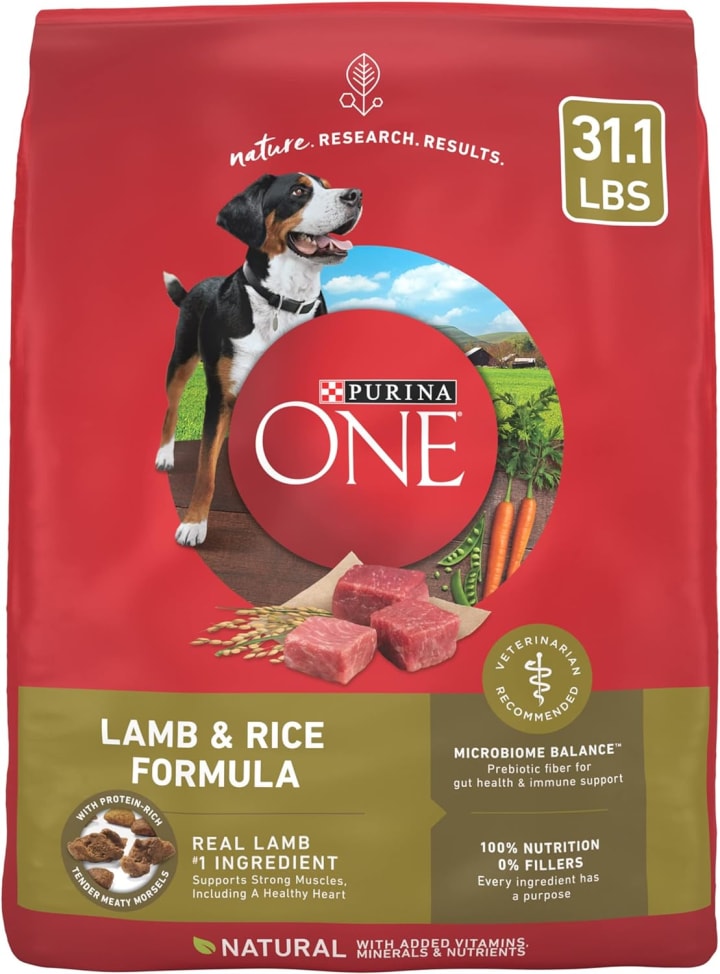
Rice is a staple in many dog foods for good reason.
How rice aids in digestive health: Rice is easily digestible, which can help soothe digestive upsets.
The role of carbohydrates in energy provision: As a carbohydrate source, rice provides the necessary energy for active dogs.
Vitamins and minerals present in rice: Rice contains beneficial vitamins and minerals, contributing to a balanced diet.
B. Types of Rice Used in Dog Food
Different types of rice offer various nutritional benefits.
Brown vs. white rice: nutritional differences: Brown rice is higher in fiber and nutrients compared to white rice, although both can be suitable depending on the dog's needs.
Special types of rice (wild rice, basmati): These offer additional fiber and flavor, which may be appealing to some dogs.
Grain-free considerations and rice alternatives: While rice is beneficial, some dogs may require grain-free diets, necessitating alternatives like sweet potatoes.
C. Potential Downsides of Rice in Dog Diets
While rice is generally beneficial, it is essential to consider some drawbacks.
Understanding carbohydrate overload: Too much rice can lead to weight gain if not balanced with proteins and fats.
Monitoring for blood sugar spikes: Dogs, especially those with diabetes, may need careful management of carbohydrate intake.
Weighing the pros and cons for weight management: It's essential to balance rice consumption with the dog’s overall caloric intake.
IV. Health Benefits of Lamb and Rice Dog Food
A. Improved Digestive Health
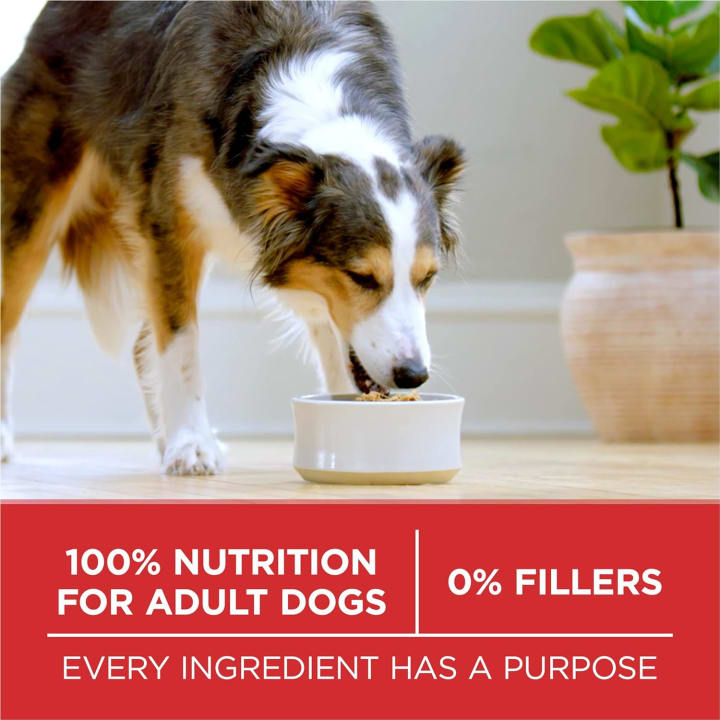
The combination of lamb and rice can greatly benefit your dog’s digestive system.
Balancing fiber for gut health: The dietary fiber in rice aids digestion, promoting regular bowel movements.
Reducing gastrointestinal issues: Many dogs with sensitive stomachs experience fewer gastrointestinal disturbances on a lamb and rice diet.
Easier nutrient absorption: The gentle digestibility of both ingredients helps improve nutrient uptake.
B. Enhanced Skin and Coat Quality
A diet rich in lamb and rice can contribute to healthier skin and coat.
Benefits of omega fatty acids in lamb: Omega fatty acids present in lamb support skin health and promote a shiny coat.
Role of antioxidants in skin health: Lamb can provide antioxidants that help combat skin allergies and conditions.
Addressing skin allergies with lamb-based diets: Many dogs with skin sensitivities find relief when switching to lamb.
C. Supporting Overall Canine Well-being
Choosing lamb and rice dog food can bolster overall health.
Ideal for dogs with food sensitivities: A diet with limited recall protein like lamb can alleviate dietary sensitivities.
Strengthening immune function: The balanced nutrition supports a robust immune system.
Promoting healthy weight management: The proper balance of protein, fats, and carbohydrates helps maintain a healthy weight.
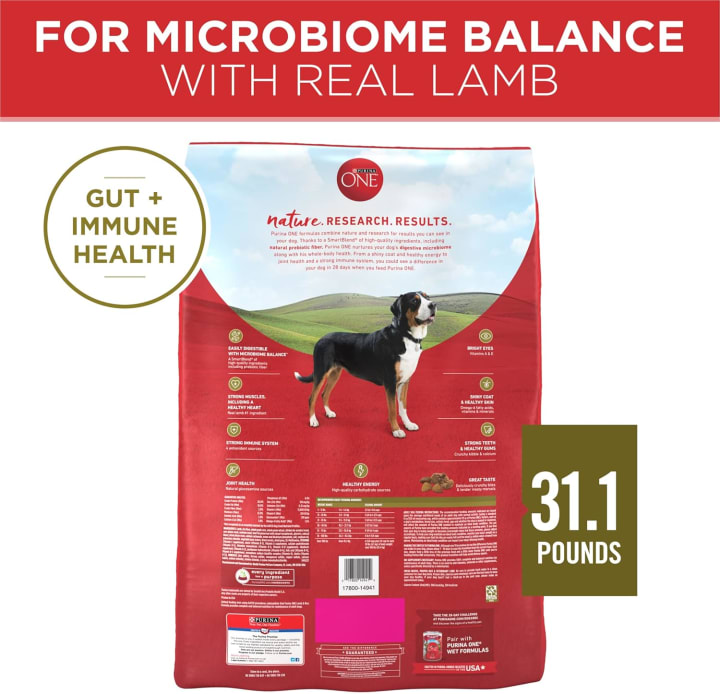
V. How to Transition Your Dog to Lamb and Rice Diet
A. Steps for a Smooth Transition
Transitioning your dog to a new diet can be straightforward.
Gradual introduction method: Slowly integrating lamb and rice into your dog’s diet over 7-10 days minimizes digestive upset.
Monitoring your dog’s response: Keep an eye on your dog's stool quality and overall health during the transition.
Adjusting quantities for optimal results: Use your dog’s weight and activity level to determine the necessary portion sizes.
B. Recognizing Signs of Dietary Adjustment
It is crucial to observe how your dog adjusts to the new diet.
Behavioral changes: Watch for signs of increased energy or mood changes.
Gastrointestinal response: Monitor for any signs of diarrhea or vomiting, as these are often indicators of dietary issues.
Signs of allergy or intolerance: If your dog shows signs of allergies, such as itching or gastrointestinal upset, consult your veterinarian.
C. Consulting with Your Veterinarian
Professional guidance is invaluable when changing your dog’s diet.
Importance of professional guidance: A veterinarian can recommend suitable dietary plans based on your dog’s health needs.
Regular health check-ups during diet changes: Regular visits help monitor your dog's health and progress.
Customized dietary recommendations based on individual needs: Tailoring the diet to your dog’s specific needs enhances health outcomes.
Conclusion
In summary, lamb and rice dog food offers a plethora of nutritional benefits, especially for dogs with specific health concerns. A gradual transition is key to ensuring your furry friend gets the most out of their new diet while minimizing any potential negative effects. Through quality ingredients and thoughtful dietary choices, the right food can have long-lasting impacts on your dog's overall health and well-being.
About the Creator
PetMomentsPlayground
PetMomentsPlayground - quality food and supplies for happy, healthy pets! Find the perfect products for your cats and dogs.
Visit our store: https://kit.co/PetMomentsPlayground
and our YouTube: https://www.youtube.com/@PetMomentsPlayground
Keep reading
More stories from writers in Petlife and other communities.
A Dart at Dusk
Seconds ago, the sullen sun set on the two of us… my exuberant furry companion and me. A fresh breeze embraces us, delivering welcome relief from the day’s oppressive heat. His typical stumbling and staggering along — apace with a sloth — has turned into trip-trapping, high-stepping, almost skipping along.
By Angie the Archivist 📚🪶6 days ago in Petlife
Why Puppies Get Attached So Quickly
The Fascinating Science Behind Puppy Bonding—and How Their Fast Attachment Shapes Lifelong Relationships --- You walk through the door after a long day. Before you even take off your coat, a tiny, wiggling puppy comes running, tail wagging, eyes shining, and jumps into your arms as if you’ve been gone for a year.
By Ahmed aldeabella4 days ago in Petlife


Comments
There are no comments for this story
Be the first to respond and start the conversation.