
The 10 Most Deadliest Fish in the World: Nature’s Underwater Assassins
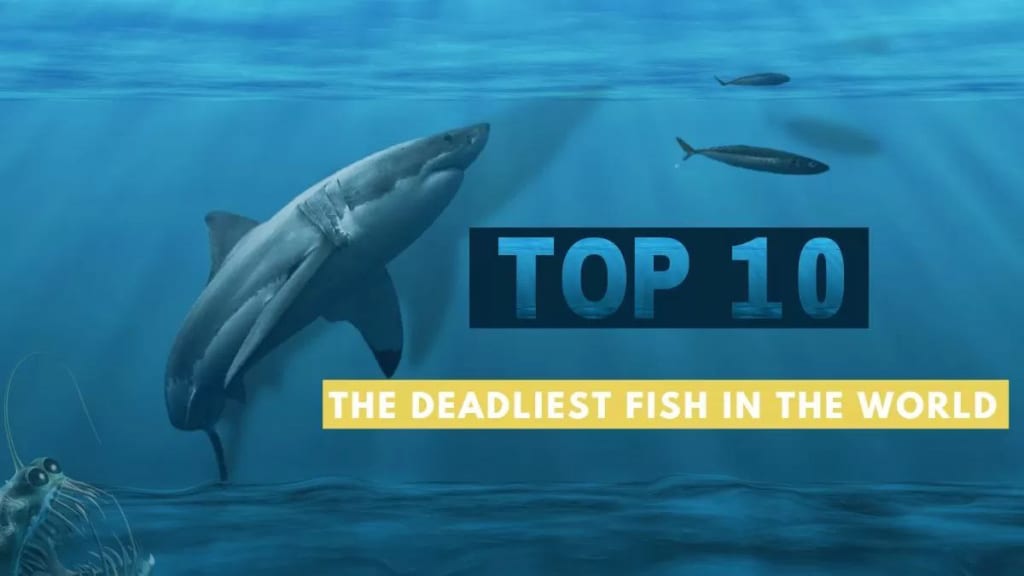
Here is a artical about top 10 most deadliest fish in underwater

Introduction
The ocean is an awe-inspiring frontier, teeming with life forms of extraordinary diversity. While many of its inhabitants are benign or beneficial, a surprising number pose significant threats to humans and other animals. Among these, certain fish stand out not just for their unique biology, but for the lethal dangers they carry—whether through venom, sheer aggression, electricity, or toxic flesh.
This article delves into the top 10 most deadliest fish in the world. Each of these species has earned its spot due to documented fatalities, injuries, or their potential for harm. It is important to note that "deadly" does not necessarily equate to malevolence. Most of these creatures are defensive by nature and become dangerous only when provoked or handled improperly.
Understanding these fish—where they live, how they behave, and what makes them dangerous—not only satisfies curiosity but also promotes safer and more respectful interactions with the marine world.
1. Stonefish (Synanceia spp.)
Often dubbed the most venomous fish in the world, the stonefish is a master of disguise and a lethal predator in the Indo-Pacific oceans. Camouflaged to resemble rocks or coral, this bottom-dwelling fish can inject potent venom through 13 dorsal spines when stepped on or threatened.
Venom and Effects:
Stonefish venom contains neurotoxins and cytotoxins that can cause excruciating pain, swelling, tissue death, paralysis, and even death if untreated. In extreme cases, victims suffer cardiac arrest or limb amputation due to tissue necrosis.
Habitat:
Stonefish are commonly found in coral reefs, estuaries, and shallow waters of the Indo-Pacific region, often lying motionless under sand or rubble.
Cases and Statistics:
Numerous cases of stonefish stings are reported each year, particularly in Australia. While fatalities are rare due to the availability of antivenom, the pain alone is enough to incapacitate an adult within minutes.
Prevention and Treatment:
Wearing thick-soled water shoes and being cautious when walking in shallow reefs are key. If stung, hot water immersion (which helps denature the venom) and immediate medical attention are crucial.
2. Pufferfish (Tetraodontidae family)
Pufferfish, or blowfish, are iconic for their ability to inflate when threatened. However, their deadliness lies in their internal organs and skin, which often contain tetrodotoxin—a potent neurotoxin.
Toxicity:
Tetrodotoxin is 1,200 times more toxic than cyanide. Just 2 milligrams is enough to kill an adult human. It blocks sodium channels in nerve cells, causing paralysis, respiratory failure, and eventually death.
Culinary Risk:
In Japan, pufferfish (called fugu) is a delicacy prepared by licensed chefs. Even with stringent training, accidental poisonings still occur every few years.
Symptoms and Prognosis:
Symptoms of tetrodotoxin poisoning begin within 20 minutes to a few hours and include numbness, vomiting, difficulty breathing, and complete paralysis. There is no antidote, and treatment is supportive.
3. Bull Shark (Carcharhinus leucas)
The bull shark is considered one of the most aggressive sharks in the world and is responsible for many unprovoked attacks on humans.
Habitat Versatility:
Bull sharks can live in both salt and freshwater. They are often found in rivers, estuaries, and coastal areas—places where human-shark encounters are more likely.
Behavior and Danger:
Known for their bold nature and territorial aggression, bull sharks hunt in murky waters where visibility is low, increasing the likelihood of mistaken identity attacks.
Incidents:
Numerous attacks have occurred in the Ganges River in India and the Zambezi in Africa. The 1916 New Jersey shark attacks in the U.S., which inspired Jaws, were likely caused by a bull shark.
4. Great White Shark (Carcharodon carcharias)
Feared and misunderstood, the great white shark is the largest predatory fish and is responsible for the most recorded shark attacks on humans.
Physical Features:
They can grow up to 20 feet and weigh over 2,000 kg. Equipped with serrated teeth and incredible speed, they ambush their prey from below.
Hunting and Attacks:
Great whites often "test bite" to identify unfamiliar objects, which can be deadly due to the sheer force and size of their jaws. Most attacks occur on surfers or divers.
Misconceptions:
They don't typically seek out humans as prey. Many attacks are a case of mistaken identity. Conservation efforts are in place due to declining populations.
5. Electric Eel (Electrophorus electricus)
Native to South America's Amazon and Orinoco basins, the electric eel is not a true eel but a knifefish. It can generate electric shocks of up to 600 volts.
Mechanism:
Specialized cells called electrocytes line its body, allowing it to produce low- and high-voltage currents. It uses low-voltage pulses for navigation and high-voltage for defense and hunting.
Human Risk:
While rarely fatal, shocks can cause heart failure or drowning. Multiple shocks in quick succession can incapacitate even large animals.
Medical Relevance:
Its electric system has inspired bioengineering and neuroprosthetics research.
6. Lionfish (Pterois spp.)
With its ornate fins and bold stripes, the lionfish looks more like a showpiece than a predator. However, its venomous spines make it dangerous to handle.
Venom Delivery:
It has up to 18 needle-like spines containing venom. Stings cause intense pain, swelling, fever, and in rare cases, respiratory problems.
Invasive Threat:
Originally from the Indo-Pacific, lionfish have invaded the Atlantic and Caribbean, where they decimate native fish populations and coral reef ecosystems.
Human Encounters:
Divers and fishermen frequently report stings, often while spearfishing or cleaning nets. Though not typically fatal, the pain can be severe.
7. Tiger Shark (Galeocerdo cuvier)
Tiger sharks are second only to great whites in the number of recorded attacks on humans. They are known for eating almost anything—hence the nickname "garbage cans of the sea."
Diet and Behavior:
Tiger sharks eat fish, seals, birds, sea turtles, and even license plates or tires. Their less selective feeding makes them more likely to investigate humans.
Attack Cases:
They are a common sight in tropical and subtropical waters and are frequent attackers in Hawaii and the Pacific islands.
Safety Tips:
Avoid swimming at dawn or dusk and never enter the water with open wounds. Awareness is key to avoiding incidents.
8. Candiru (Vandellia cirrhosa)
The candiru, also called the "vampire fish," is a tiny parasitic catfish native to the Amazon. Despite its small size, it has gained notoriety for supposedly entering the human urethra.
Myth vs. Fact:
While reports of such incidents exist, they are extremely rare and often debated. The fish usually invades the gill cavities of other fish to suck blood.
Real Danger:
If it does enter the human body, it must be surgically removed. Its backward-pointing spines prevent easy extraction.
Precautions:
Locals advise not urinating in the river—a rule followed more out of tradition and caution than scientific necessity.
9. Moray Eel (Family Muraenidae)
Moray eels are shy, nocturnal predators found in coral reefs and rocky crevices. Though not aggressive, they can deliver a devastating bite if provoked.
Anatomy:
They possess two sets of jaws—the primary and a secondary pharyngeal jaw that helps pull prey into their throat.
Injury Risk:
Divers who attempt to feed or touch them may suffer serious lacerations. Infections from bites are common due to bacteria in their mouths.
Behavior:
Most attacks are defensive. Respecting their space is usually enough to avoid harm.
10. Barracuda (Sphyraena spp.)
With a torpedo-shaped body and razor-sharp teeth, the barracuda is a formidable predator. It’s capable of swimming at over 35 mph and uses speed to ambush prey.
Danger to Humans:
Though rare, barracudas have been known to attack divers and swimmers—often mistaking shiny objects for prey.
Ciguatera Poisoning:
Eating large barracudas can cause ciguatera, a foodborne illness caused by toxins in reef fish. Symptoms include nausea, neurological effects, and temperature reversal.
Avoidance Tips:
Swimmers should remove jewelry, avoid murky waters, and avoid consuming large reef predators in certain regions.
Conclusion
From the electric jolts of South America’s rivers to the razor-edged jaws of oceanic predators, the world's most deadly fish span a wide array of ecosystems and survival mechanisms. While their reputations may inspire fear, most pose little danger when left undisturbed. Their natural behaviors are typically defensive, not offensive.
Understanding these animals fosters respect, not panic. As humans continue to explore and enjoy aquatic environments, awareness of the potential dangers becomes essential. Through knowledge and caution, we can avoid dangerous encounters and appreciate the role each of these deadly fish plays in maintaining the delicate balance of life beneath the waves.
About the Creator
Krypton
Be happy,Be calm,Be Better,Be honest,Be Strong,Be faithful,Be Loving,Life is journey&I am a traveler.
Cleo's First Puppy Show
"How would you feel about doing the Corsicana show in November?" Kathleen asked me last September. Dog exhibitors speak in shorthand that way. It's easier to say "the Corsicana show" than it is to say the "North East Texas American Eskimo Dog Association Show." And yes, "North East." I guess "Northeast" shortened the name too much for some people's taste . . . But I digress. In response, I asked two of the three important questions that every exhibitor thinks, first thing.
By Kimberly J Egan9 days ago in Petlife
Can My Puppy Have CBD Treats? A Guide to Safe Introduction and Benefits
Bringing a puppy home is an exciting milestone filled with playful moments, training challenges, and constant learning—for both you and your new companion. As a responsible pet parent, you want to give your puppy the best possible start in life, which often leads to questions about supplements, calming aids, and overall wellness support. One topic gaining attention is the use of CBD treats for puppies and whether they can be introduced safely during early development.
By CBD Dog Health5 days ago in Petlife




Comments
There are no comments for this story
Be the first to respond and start the conversation.