
SURPRISING WAYS YOU COULD BE HURTING YOUR CAT’S FEELINGS
Things that emotionally hurt your cat.
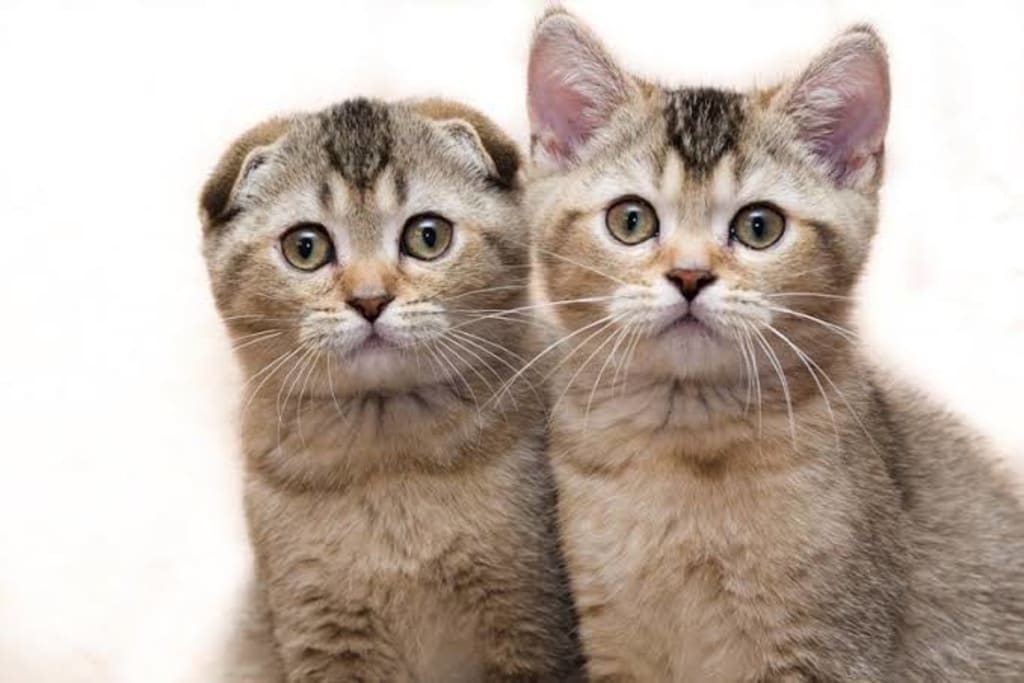
It goes without saying that we never want to hurt our cats. Although we are not in complete control of life, but we are in complete control of our own actions. Sometimes we accidentally hurt our cats' feelings without even being aware of it.
When it comes to their own sentiments, cats are often very sensitive. Cats are sophisticated creatures that have a vast range of emotions they can experience. They may feel joyful and ecstatic or depressed and dejected. Cats experience a wide range of emotions throughout the course of a day, just like people do, and they occasionally get their feelings injured by their closest pals.
View these possibly offensive actions that may be hurting your cat.
1. Wearing strong smell
Cats can smell things quite well. They use smells to explore the world and learn about their surroundings. Some scents, like as catnip or even your dirty laundry, are very appealing to cats. On the other hand, there are some smells that cats absolutely detest.
Citrus, bananas, cayenne pepper, lavender, and rue are among the natural scents that cats find repulsive, according to Cattraining.com. Additionally offensive to them are some soaps and deodorants with strong scents as well as the smell of their unclean litter box.
You can make your cat angry by dousing yourself in lavender-scented shampoo every morning. They find that smell repulsive, which is why it's frequently used as cat repellant. Your cat may believe you are attempting to keep them away if you occasionally smell like something they don't like.
Cats are frequently irritated by anything that smells too strongly. Soaps, lotions, and deodorants with particularly strong scents may aggravate your cat's olfactory system and hurt their feelings.
2.Making loud Sounds/Noises
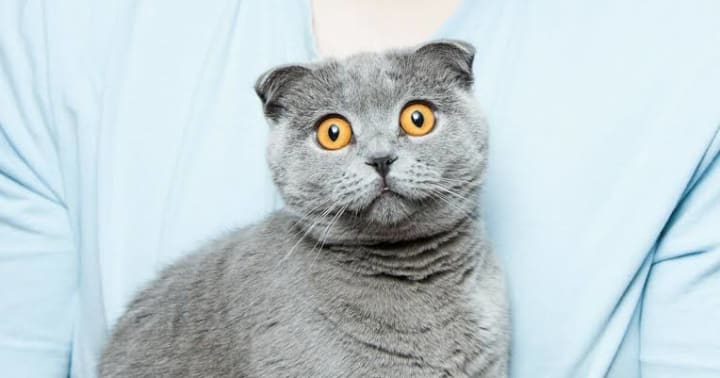
When cats hear a loud or shocking sound, they have a strong reason to jump and hide. Our feline relatives can hear noises about 1.6 octaves higher than humans, according to Vetstreet. Compared to dogs, they are even more sensitive to high-pitched sounds.
Your cat's health might be negatively impacted by persistent noise, especially loud noise, and they may become hostile if you can't keep it down.
When your cat is curled up in your lap, shouting at the TV is a surefire method to make your cat feel uncomfortable. When they get up and leave, don't be shocked. Making loud noises could make your cat avoid being around you because it shows you don't always respect their sensitivity.
3.Pushing them away
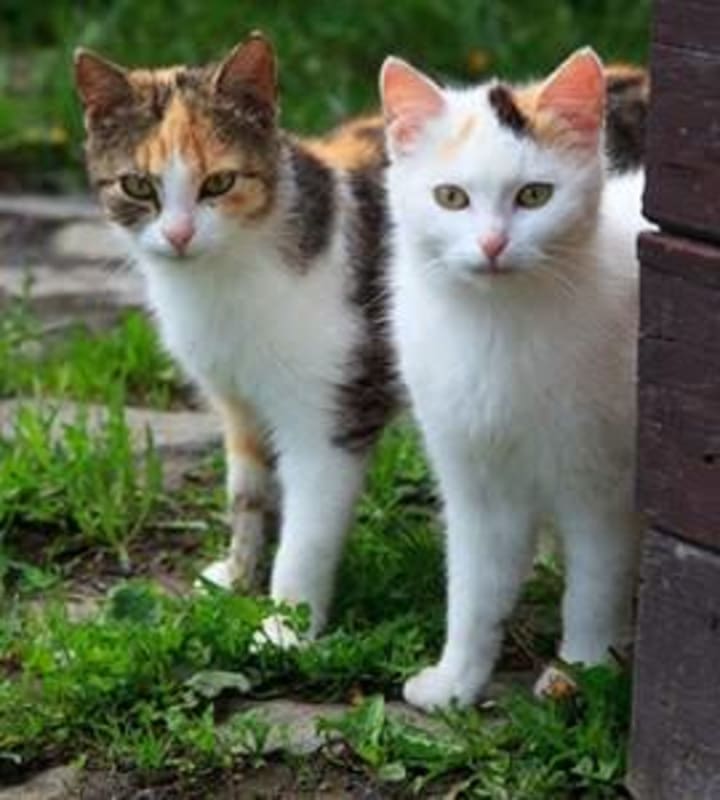
Cats are naturally curious animals who frequently stray into uninvited places. They enjoy "helping" with home duties and are constantly curious about what you are doing. While their nosy habits can be endearing, they frequently cause issues. As a result, it's become second nature for us humans to gently shove our cats out of the way.
Cats' natural curiosity is unavoidable. They adore being involved and want to know everything you're doing. But wait a moment before you shoo your cat away the next time they stick their face wherever it doesn't belong. Instead, give them a short pet and direct their attention elsewhere. A obvious shove will hurt their sentiments and they'll probably become much more motivated to investigate your actions.
4.Leaving Out Old Food
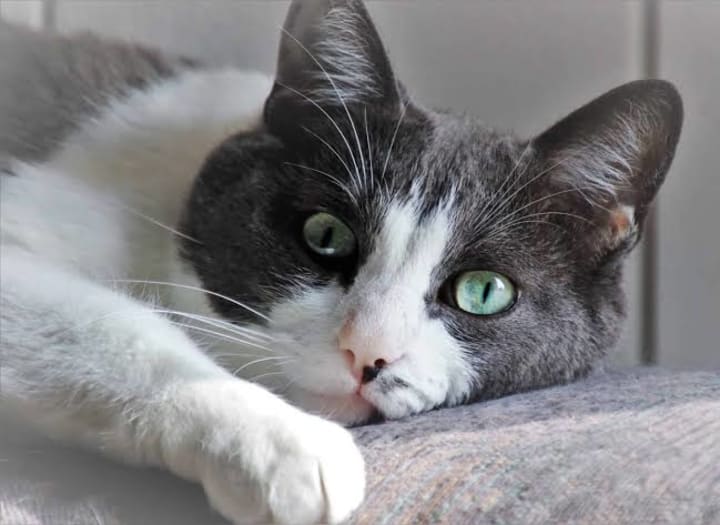
One of the worst things you can do to your cat is give them stale food. For various reasons, cats like receiving fresh food. They dislike it when the food in their bowl is left out for too long, and they typically won't eat it all.
It might be a characteristic of their picky personalities, or it might have evolved from a primitive instinct that guarded their ancestors from eating spoiled meat. In either case, when their families honor their request for fresh food, cats feel valued and understood.
You should only give your cat what they can consume in one sitting. Free feeding can result in food waste, whereas planned meals will help your cat maintain a dependable schedule.
5.Staying away from them
Cats are less dependent than other pets, but it doesn't mean they like living alone all the time. Since they are social beings, they benefit from routine company and attention.
Some of our feline family members are quite content to be left alone all day, but the majority become despondent when their humans are gone for an extended period of time. Even though they don't want to be in your lap, they still like your company. They may be finicky when it comes to being petted, but that doesn't imply they prefer to be left all by themselves.It's crucial to schedule time with your cat even if you lead a busy life. Inform them that you would never leave them and that they can rely on you to turn up on a frequent basis. It's simple for your cat to get depression if you hurt their feelings by leaving them alone too frequently.
Every cat is unique, so something that offends one cat might not bother another. The aforementioned actions, however, often have a high likelihood of upsetting your cat. You'll be more prepared to maintain your cat's goodwill if you steer clear of those feline faux pas and consider the particular preferences and dislikes of your cat.
About the Creator
Keep reading
More stories from Balogun Ebunoluwa and writers in Petlife and other communities.
What can you give a cat for pain?
It can be painful to see your cat in pain, and you may feel helpless and unable to comfort them. Traditionally, we consider using drugs to relieve pain. However, there are numerous alternative methods of pain management that may be used instead of traditional painkillers, such as natural pain relief for cats.
By Balogun Ebunoluwa 3 years ago in Petlife
Velveteen Lop Rabbit Lifespan Size Color Diet and Interesting Facts
As we know when people assume Velveteen Lop Rabbit many time the sweet story of the Velveteen Rabbit comes to mind. The name of this breed is not taking from any rabbit, but the book The Velveteen Rabbit have a very cute, sociable, and friendly nature.
By Rabbits Advisor5 days ago in Petlife
Helping Your Elderly Cat Who's Going Blind
When Your Cat Loses Its Sight It can be heartbreaking to watch your beloved kitty go blind. When my cat started to go blind, it was really hard to watch her bump into walls, not to mention the constant loud meowing, which made her sound like she was in excruciating pain. She wasn't. However, she was very confused and scared.
By Janis Masyk-Jackson7 days ago in Petlife



Comments
There are no comments for this story
Be the first to respond and start the conversation.