
Surefire Dog-Training Tips And Techniques
Say Goodbye To Bad Dog Behaviour
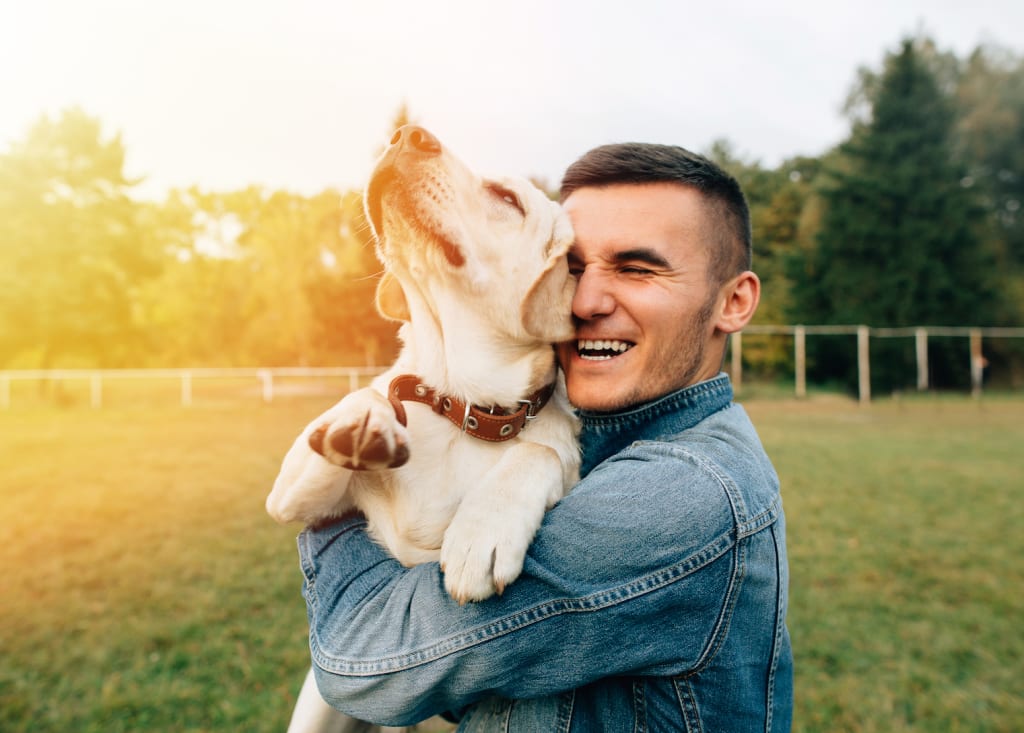
Puppies are adorable, affectionate and lots of fun. But they’re also energetic, curious and playful. And if you don’t teach them how to channel that sense of adventure in the right way, you could have behavioral issues further down the line.
Dog trainers advise teaching simple commands from a very young age to give you a solid base to build on as your pup grows (although it’s never too late to teach an old dog new tricks). These 30 surefire dog-training tips are a good place to start.
Create an Understanding
Start your dog-training journey the right way by creating an understanding between yourself and your pup early on. Most importantly, neither of you should feel overwhelmed, so keep it simple in the early days.
You want to be able to command the pup to come to you and do some recall commands (like sit, down, etc.)
Make Simple Recall Commands a Priority
A recall is basically a “come” command, which draws the pup to you.
The first step is to use your pup’s name, give a verbal command “come!” and then reinforce it with a hand command, such as holding a treat or piece of food down for them to come to.
Build Your Repertoire
Beyond the simple recall, there are some basic dog-training commands and tricks that every dog should know, Sparky says. Try to cover “speak,” “drop it,” “stay,” “back up,” etc.
These basic commands give your dog structure. In addition, they can help you overcome common dog behavior problems and will help keep your dog safe.
Use a Couple Different Marker Words
When you are marking a behavior in the moment or maintaining that good behavior, using “good!” And when you are releasing the pup from a specific command use “OK!”
If you’re wondering what this sounds like in practice, it’s something like “Come, good. Sit, good. Place, good. Stay, good.”
Dog training isn’t just about what you say.
To maintain good behavior, hold up your hand at the same time as saying “good!” with a calm demeanor.
Is Your Dog Easily Distracted? Then You’ll Want To Try This Trainer's Genius Tip
Young man walking his dog with a leash, crossing the street on a zebra crosswalk.
Does your canine companion become easily distracted by the world around them when you're out and about? Do you feel like you're consistently nagging them to try to get them to ignore a distraction or look at you? Or, are you finding yourself feeling frustrated by their refusal to focus on you, even when you have one of the longest lasting dog chews in your hand? If you answered yes to any of these questions, rest assured, you're not alone.
Teaching your dog to pay less attention to distractions and more attention to you is one of the most difficult skills to master as a pet parent.
What if we told you it was okay for our dogs to look at distractions, and that we might even want to reward that!? We typically ask our dogs to ignore or look away from distractions - this is really hard for our dogs so they often can't be successful.
Instead, a more effective solution to the problem of distractions is to reward your dog when they calmly notice a distraction while staying near you, a technique she refers to as 'capturing'.
Instead of requiring that our dogs look completely away from distractions, our new criteria is that they notice the distraction while staying with us. So, how do you accomplish this calm noticing?
Work from a distance. The further you are from a distraction, the more likely your dog is to be able to notice calmly. If your dog still bark, lunges, or pulls, you are TOO CLOSE. Mark the moment you see your dog notice a distraction. Usually, their head is turned towards the distraction, their ears are up and their brow can be furrowed. Use a “yes!” or clicker to convey that they earned their treat by noticing the distraction and staying with you."
The end goal you're wanting to get to is for your dog to see triggers and anticipate the mark and reward, causing them to look back at you voluntarily. Looking back at you becomes their new choice behavior around distractions.
Consistency, patience, high value treats, and helping your dog get the right answer are the keys to success here
Should I Get A Dog?
Katie Spies, Founder and CEO of canine wellness brand Maev, told us that in the U.S., 60 percent of dogs are overweight, 30 percent have mobility issues, 30 percent struggle with anxiety, and 25 percent of vet visits are due to coat and skin illnesses. Yikes. The good news is most of these health issues improve with balanced nutrition. What you feed your dog directly impacts how long they live and their quality of life.
Choosing a food that is biologically appropriate—no fillers, low carbs, and high protein—is the best decision you can make for your dog’s long-term health outcome. Of course, you have to find a food that works for your lifestyle, routine and budget, and one that they’ll be excited to eat. But, investing in nutrition will pay off in troves. The number one thing to know is that nutrition and digestive health will affect their quality of life, training and behavior, longevity and your vet bills.
Click Here To Take A Quiz And Find Out How To Develop Your Dog's Intelligence
About the Creator
Keep reading
More stories from writers in Petlife and other communities.
A Dart at Dusk
Seconds ago, the sullen sun set on the two of us… my exuberant furry companion and me. A fresh breeze embraces us, delivering welcome relief from the day’s oppressive heat. His typical stumbling and staggering along — apace with a sloth — has turned into trip-trapping, high-stepping, almost skipping along.
By Angie the Archivist 📚🪶19 days ago in Petlife
Badger did "Big Hup" Today!
Badger has had a year off since losing his eye to adjust to being a dog again. Since that time, he's lounged around the house or the kennel, taking brief walks on a leash, adjusting to walking in a straight line. Walking in a straight line has actually taken a lot of effort on his part, as his instinct was to drift in the direction that he could see or away from things by which he felt threatened. Heeling was a thing of the past. He either lagged behind me so that he could see me or ended up nearly to the end of his leash, several feet from my left leg because he brushed against me unexpectedly.
By Kimberly J Egana day ago in Petlife
Trouble at the Tea Leafing Café
The rain had started right around the time that Annie was buttering her second thick slice of homemade toast for breakfast, and hadn’t paused since. Not that anyone could tell. The windows of the café were fogged over, and with every seat filled with happy customers munching on fresh baked pastries or steaming bowls of the delicious soup of the day, it was hardly surprising. Annie looked around the room, finally taking a moment to breathe after the lunch time rush. Her old life already felt like a bad memory, a part of her history, always, but just that. History.
By Hannah Moore2 days ago in Fiction
Living in a hemp house
Hemp, a multi-purpose crop that delivers fibres, shivs, seeds, and pharmaceuticals is currently used in insulation materials and bio-composites for a more sustainable construction industry. Russ Martin and his wife Karon Korp tell their story as owners of the first hemp house in the U.S.
By Susan Fourtané 7 days ago in Interview


Comments
There are no comments for this story
Be the first to respond and start the conversation.