
Strategies and Solutions for a Dog Uncomfortable with Interacting with People
A Guide to Help Your Dog Overcome Social Anxiety and Foster Positive Human Interactions
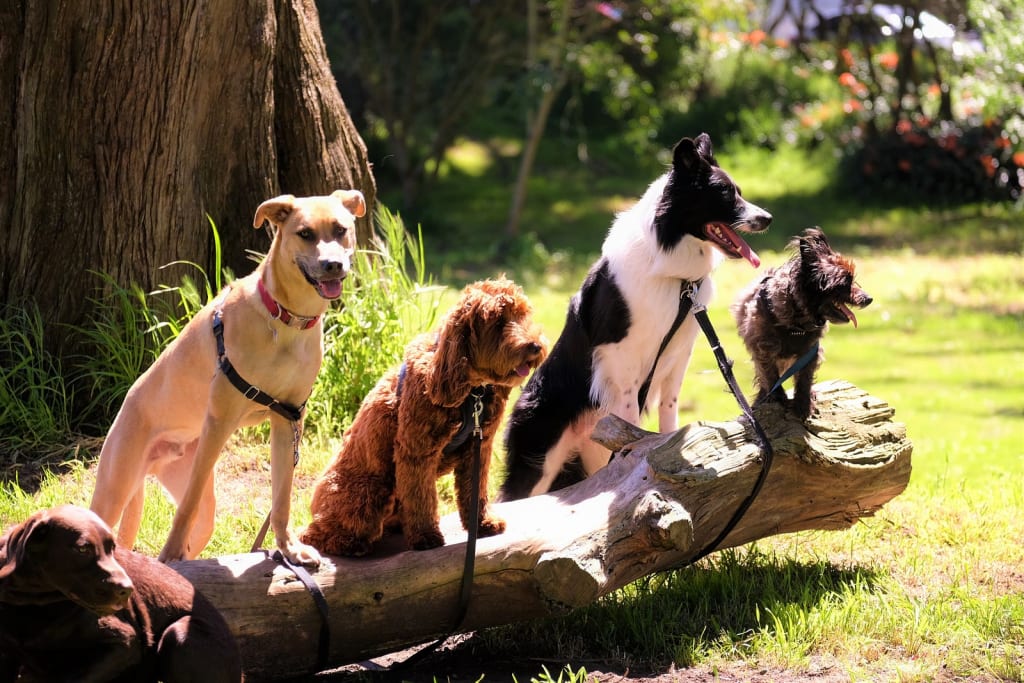
Having a dog that does not enjoy interacting with other people can be a challenging situation for any pet owner. However, with patience, understanding, and proper training, it is possible to improve your dog's socialization skills and help them feel more comfortable around others. In this guide, we will discuss various tips and solutions to address this issue and promote a positive social experience for your furry friend.
During social interactions, your dog looks to you for cues on how to behave and interpret the situation. Your own demeanor can influence their reactions and level of comfort.
Understanding the Root Cause:
To effectively tackle this issue, it is crucial to understand why your dog may be uncomfortable around people. It could be due to fear, lack of socialization during the critical developmental period, a negative past experience, or a genetic predisposition. Identifying the underlying cause will help you tailor your approach accordingly.
Gradual Exposure:
Start by exposing your dog to people in a controlled and gradual manner. Begin with calm and patient individuals who understand your dog's needs. Allow your dog to observe from a distance, rewarding them with praise and treats for calm behavior. Gradually decrease the distance over time while continually rewarding positive interactions. This process helps build trust and confidence in your dog.
Positive Reinforcement:
Positive reinforcement is a powerful tool for modifying behavior. Whenever your dog exhibits desired behavior around people, reward them with praise, treats, or a favorite toy. This will reinforce the positive association with people and encourage your dog to repeat the behavior in the future. Avoid punishment or scolding, as it can exacerbate your dog's fear and anxiety.
Counter Conditioning:
Implement counter conditioning techniques to change your dog's emotional response towards people. Pair positive experiences, such as treats or playtime, with the presence of people. Gradually increase the intensity of the exposure, ensuring your dog remains relaxed and comfortable throughout the process. Over time, your dog will associate the presence of people with positive experiences, reducing their anxiety.
Desensitization:
Desensitization involves exposing your dog to people in a controlled manner, gradually increasing their tolerance to social interactions. Start with low-intensity situations, such as having people at a distance or behind a barrier, and reward your dog for remaining calm. As your dog becomes more comfortable, gradually increase the intensity by allowing closer interactions. Be patient, as progress may take time.
Controlled Socialization:
Continue to expose your dog to various social situations while maintaining control over the interactions. Consider enrolling in obedience classes or engaging in controlled playdates with other well-behaved dogs. This will help your dog learn appropriate behavior around both humans and other animals in a safe and structured environment.
Seek Professional Help:
If your dog's discomfort around people persists or worsens despite your efforts, consider seeking assistance from a professional dog trainer or a veterinary behaviorist. These experts can provide specialized guidance, create a tailored behavior modification plan, and help address any underlying issues contributing to your dog's behavior.
Provide a Safe Space:
Create a designated safe space in your home where your dog can retreat when feeling overwhelmed or anxious. This space should be quiet, comfortable, and equipped with your dog's favorite toys or treats. Encourage your dog to use this space when they need to relax, ensuring it remains a positive and stress-free area.
Set Realistic Expectations:
While it is essential to work on improving your dog's socialization, it is equally important to recognize and respect their individual temperament. Some dogs may never become social butterflies, and that's okay. Focus on helping your dog feel more comfortable and confident in their environment rather than forcing excessive social interactions.
Be a Calming Influence:
Dogs are incredibly perceptive and can pick up on their owner's emotions. Stay calm and relaxed during social interactions to foster a positive environment for your dog's socialization journey.
Conclusion:
As you navigate the challenge of helping your dog become more comfortable with social interactions, remember that your own emotional state plays a significant role in their progress. By being a calming influence and staying calm and relaxed during social interactions, you can create a positive atmosphere that supports your dog's socialization journey. Your demeanor will not only reassure your dog but also serve as a valuable example for them to learn from. With patience, consistency, and your calming influence, you can help your dog overcome their anxiety and develop positive associations with people.
Learn more ways to care for your dog Click Here Now!
About the Creator
Big Dog Shopping
Big Dog Shopping was created with the needs of big dog parents in mind. We understand the challenges of finding products that are suitable for larger breeds. We featuring only the highest quality products.
Keep reading
More stories from Big Dog Shopping and writers in Petlife and other communities.
Can Dogs Get Colds? Exploring the Possibility of Dogs Catching Respiratory Infections from Humans or Other Dogs
As devoted pet owners, we often worry about the health and well-being of our beloved canine companions. One common concern is whether dogs can catch colds or the flu from humans or other dogs. In this article, we will delve into the topic and explore the possibility of dogs contracting these respiratory infections. While the common cold and flu primarily affect humans, there are certain viruses that can affect dogs as well. Understanding the risks and taking appropriate precautions is crucial for ensuring the health and happiness of our furry friends.
By Big Dog Shopping3 years ago in Petlife
A Dart at Dusk
Seconds ago, the sullen sun set on the two of us… my exuberant furry companion and me. A fresh breeze embraces us, delivering welcome relief from the day’s oppressive heat. His typical stumbling and staggering along — apace with a sloth — has turned into trip-trapping, high-stepping, almost skipping along.
By Angie the Archivist 📚🪶6 days ago in Petlife
Rachel Reviews: The Spiral Archive by Pieter Hendrik
It's difficult for me to know where to start with a review of this book as it was, for me, an entirely unique experience and one that I'll probably never have again. I don't want that to be interpreted as unenjoyable but it has left me scratching my head a little and ruminating on its content, its themes and its characters.
By Rachel Deeminga day ago in BookClub



Comments
There are no comments for this story
Be the first to respond and start the conversation.