
Step-by-Step Guide: Dog Skin & Wound Care Products
Read this blog to know about - Dog Skin & Wound Care Products

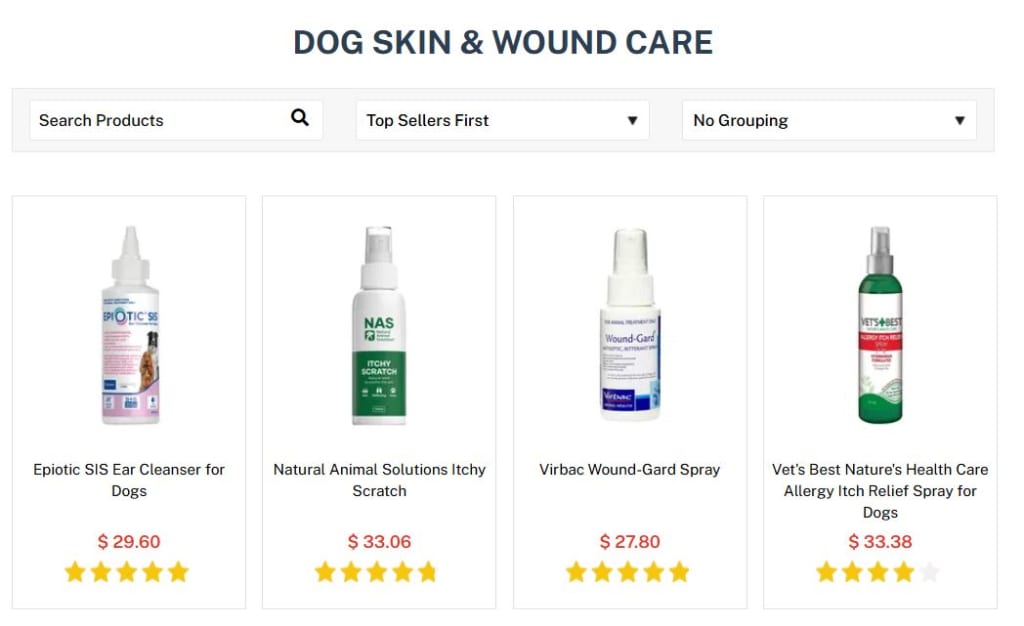
Just like us, our furry companions can suffer from a variety of skin issues and wounds. From itchy allergies to accidental scrapes and cuts, taking care of your dog’s skin isn’t just about beauty—it’s about keeping them healthy and comfortable. And let’s be honest, nothing tugs at your heart more than seeing your pup in pain, constantly scratching or licking a sore spot. That’s where dog skin and wound care products come to the rescue!
In this guide, we’ll break down everything you need to know about dog skin health, common problems, and the best products you can use to treat and prevent them.
Understanding Your Dog’s Skin
The Structure of Dog Skin
Dog skin is made up of three layers—epidermis (outer), dermis (middle), and subcutaneous tissue (inner). It acts as a protective barrier against the environment, pathogens, and injuries.
How It Differs from Human Skin
Believe it or not, dog skin is thinner than ours. It’s also covered in fur, and their pH level is different—this means products meant for human skin can disrupt your dog’s skin barrier and cause irritation or even infections.
Why Dogs Are Prone to Skin Conditions
Dogs explore the world through their nose and paws, which means they’re constantly in contact with potential allergens, parasites, or rough surfaces. Combine that with sensitive skin, and you’ve got a recipe for frequent flare-ups and minor injuries.
Common Skin and Wound Problems in Dogs
Hot Spots
Also known as acute moist dermatitis, hot spots are inflamed, infected patches that appear suddenly and spread quickly. They’re itchy, painful, and need fast attention.
Allergies and Irritations
Dogs can react to food, pollen, dust mites, and even grooming products. This often leads to itchy skin, redness, and excessive licking or chewing.
Flea Bites and Parasites
Fleas, ticks, and mites can wreak havoc on your pup’s skin. One flea bite can cause flea allergy dermatitis—a severe reaction in sensitive dogs.
Cuts, Scrapes, and Lacerations
Whether it’s from rough play, sharp bushes, or an accidental injury, wounds are common in active dogs. Proper care is essential to avoid infections.
Infections and Abscesses
Untreated wounds or underlying conditions can lead to bacterial or fungal infections. These usually appear as swelling, pus, or foul-smelling areas.
Post-Surgery Wound Care
After a procedure, keeping the incision clean and protected is critical for a smooth recovery.
Key Features to Look for in Skin & Wound Care Products
Antibacterial and Antifungal Properties
Look for products that fight off bacteria and fungi—this helps prevent infection and speeds up healing.
Soothing and Moisturizing Ingredients
Ingredients like aloe vera, coconut oil, or oatmeal can calm irritated skin and promote healing.
Fast Healing Formulas
Time is of the essence when your dog’s in discomfort. Products with ingredients like vitamin E, zinc, or manuka honey help accelerate recovery.
Hypoallergenic and Safe for Dogs
Always choose vet-approved, dog-safe products. Avoid harsh chemicals or strong fragrances that might do more harm than good.
Types of Dog Skin & Wound Care Products
Medicated Shampoos
These are great for dogs with ongoing skin issues like dermatitis or yeast infections. Use as directed to avoid over-drying the skin.
Antiseptic Sprays and Wipes
Perfect for cleaning wounds or preventing infection in high-risk areas. They're convenient for quick clean-ups too.
Healing Creams and Balms
Thicker formulas that stick to the skin and create a barrier. These are excellent for dry, cracked skin, or healing small cuts and abrasions.
Natural Oils and Herbal Remedies
Tea tree oil (in very small concentrations), coconut oil, and calendula are gentle options for skin support, especially for dogs with allergies.
Protective Bandages and Dressings
Used to cover wounds and prevent your dog from licking or biting at the injury. Some even have medicated pads for added protection.
Recommended Skin & Wound Care Products
Top Brand 1: Dermcare
Known for its medicated shampoos like Malaseb, Dermcare is ideal for dogs with fungal or bacterial skin issues.
Top Brand 2: Aristopet
Offers a wide range of wound sprays and antiseptic solutions at budget-friendly prices—great for first aid kits.
Top Brand 3: Vet’s Best
Combines natural ingredients with science-backed formulas. Their Hot Spot Spray is a go-to for itchy, irritated skin.
Top Brand 4: PAW by Blackmores
A premium range that uses hypoallergenic, pH-balanced ingredients. Safe, gentle, and effective.
Natural Remedies vs Commercial Products
Pros and Cons of Each
Natural remedies are chemical-free and gentle, but they often work slower. Commercial products are fast-acting and vet-tested, though some may contain strong ingredients.
When to Choose Which
Go natural for mild irritations or preventive care. Use commercial products for infections, open wounds, or severe skin problems.
Step-by-Step Guide to Treating Minor Wounds at Home
Cleaning the Wound
Use a saline solution or antiseptic spray to clean the area. Avoid hydrogen peroxide—it can damage tissues.
Applying Medication
Apply an antibacterial ointment or spray. Follow label directions or vet advice.
Covering and Protecting
If the wound is in a spot your dog can reach, cover it with a bandage and use a cone if needed.
Monitoring for Infection
Check the wound daily. If you notice swelling, redness, pus, or a bad smell, call your vet.
Preventing Skin Issues in Dogs
Regular Grooming and Bathing
Helps remove dirt, allergens, and parasites. Don’t overdo it—once every few weeks is usually enough.
Balanced Diet and Supplements
Omega-3 fatty acids, zinc, and vitamin E support skin health from the inside out.
Flea and Tick Control
Use vet-approved treatments to prevent bites and related skin problems.
Keep Their Environment Clean
Wash bedding often and avoid letting them roam in areas with thorns, sharp objects, or pests.
Tips for Applying Skin Care Products on Dogs
Calm Your Dog First
Use treats or toys to distract and reward good behavior during treatment.
Follow Product Instructions Carefully
Don’t mix products unless advised by a vet. More doesn’t always mean better.
Avoid Licking – Use Cone if Necessary
Your dog licking the product off defeats the purpose. Use a cone collar if needed.
Conclusion
Your dog’s skin is the first line of defense against the outside world. Whether it’s a tiny scratch, a stubborn hotspot, or a post-surgery wound, the right care can make all the difference. With the right products, a gentle touch, and a bit of consistency, you can help your furry friend heal faster and stay comfortable.
So next time you notice your pup scratching or licking excessively, don’t brush it off. A small action today can prevent a bigger problem tomorrow.
FAQs
1. What is the best ointment for dog wounds?
Antibacterial ointments made specifically for dogs, like Vet’s Best or Dermcare, are great options. Always check with your vet.
2. Can I use human antiseptic cream on my dog?
Not recommended. Human creams may contain ingredients toxic to dogs or irritate their skin.
3. How do I stop my dog from licking its wound?
Use an e-collar (cone), cover the wound with a bandage, or apply a vet-approved bitter-tasting spray.
4. What natural remedies can I use for my dog’s skin?
Coconut oil, aloe vera (pure), and chamomile tea can soothe mild irritations—but always do a patch test first.
5. How long do dog wounds take to heal?
Minor wounds typically heal within 7–10 days. Larger or infected wounds may take longer with proper care.
About the Creator
Thomas Muller
VetSupply is a leading online pet store in Australia with a comprehensive range of products that cater to all your pet care needs.
Keep reading
More stories from Thomas Muller and writers in Petlife and other communities.
A Comprehensive Guide to Pet Respiratory Support
Few things are as distressing for a pet parent as seeing their beloved companion struggle to breathe. Whether it's a persistent cough, wheezing, or overt difficulty inhaling and exhaling, respiratory issues can be frightening and, in severe cases, life-threatening. Providing effective pet respiratory support is crucial for their comfort, health, and overall quality of life. This guide will walk you through understanding pet respiratory health, recognizing warning signs, and exploring the vet-approved approaches to help your furry friend breathe easy.
By Thomas Muller8 months ago in Petlife
Off the Leash: The Essential Gear Guide for Adventurous Dogs
There’s something wildly freeing about unclipping the leash and letting your dog move the way they were built to. If you’re hiking in areas that truly allow off-lead exploration, your gear list shifts. No harness. No leash dragging through dust. Instead, it’s about smart, lightweight essentials that keep your dog safe, hydrated, and easy to manage when adventure gets messy. Long walks off lead are less about control and more about preparation.
By Shabbir Ahmad5 days ago in Petlife


Comments
There are no comments for this story
Be the first to respond and start the conversation.