
Step-by-Step Dog Grooming: A Beginner’s Guide to Grooming at Home
Your Complete Guide to Keeping Your Dog Healthy, Happy, and Looking Their Best at Home

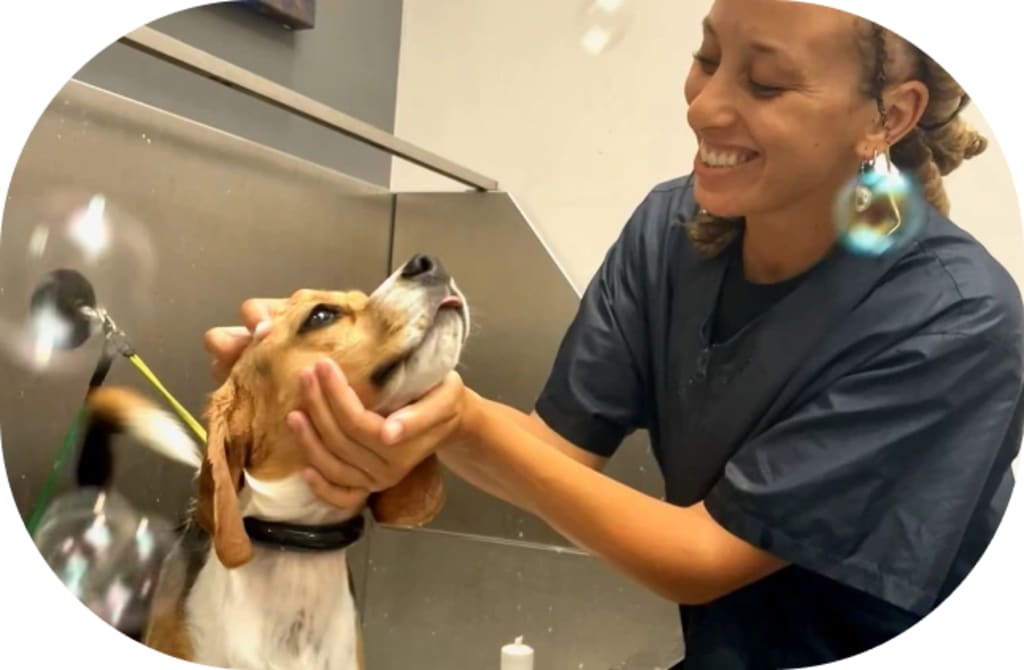
Keeping your dog looking and feeling their best starts with regular grooming. But did you know that grooming your dog at home can save money, strengthen your bond, and ensure your furry friend stays happy and healthy? Whether you're a first-time pet parent or just looking to refine your skills, this step-by-step guide will walk you through everything you need to know to groom your dog at home like a pro.
Understanding Dog Grooming Basics
Why Grooming Is Essential for Your Dog
Grooming isn't just about appearances—it's about health too. Regular brushing removes loose fur, preventing shedding and matting that can cause discomfort or skin infections. Bathing keeps their coat clean and odor-free, while trimming their nails prevents painful overgrowth. Grooming is also an excellent opportunity to check for lumps, bumps, or signs of irritation, helping you catch potential health issues early.
Tools You Need for Dog Grooming
Before you dive into grooming, gather the dog grooming tools you'll need to make the process smooth and efficient:
- Brushes and combs: Choose a slicker brush for detangling or a rubber curry brush for short-haired breeds.
- Clippers and scissors: Invest in high-quality clippers for trimming fur and sharp scissors for precision.
- Nail trimmers: Guillotine-style or scissor-style clippers are great options.
- Shampoo and towels: Opt for a dog-specific shampoo to avoid irritating their skin.
Preparing Your Dog for Grooming
Creating a Calm Environment
Your dog might be nervous, so it’s essential to create a peaceful setting. Use a quiet room with minimal distractions, and introduce your dog to grooming tools gradually. Playing calming music or using pheromone sprays can help anxious dogs feel more at ease.
Checking Your Dog’s Coat and Skin
Before grooming, inspect your dog's coat and skin for any issues. Look for mats, tangles, or signs of irritation. If you notice redness, rashes, or unusual lumps, consult your vet before proceeding. A thorough inspection ensures that grooming is both safe and effective.
Also Read: how much to tip dog groomer
Step-by-Step Guide to Grooming Your Dog at Home
Brushing Your Dog’s Coat
Start by choosing the right brush for your dog’s coat type. For long-haired breeds, use a slicker brush to detangle knots, while a bristle brush works well for short-haired dogs. Brush gently in the direction of hair growth to avoid pulling or causing discomfort. Regular brushing minimizes shedding and helps distribute natural oils for a healthy coat.
Bathing Your Dog
Use lukewarm water and a dog-friendly shampoo to bathe your dog. Wet their coat thoroughly, avoiding the eyes and ears, and massage the shampoo into their fur. Rinse thoroughly to ensure no residue remains, as it can irritate their skin. After bathing, wrap your dog in a towel to soak up excess water.
Drying and Styling Your Dog
Dry your dog using a towel or a pet-safe blow dryer set to low heat. Brush their coat as you dry to prevent tangles and give their fur a polished look. For breeds like poodles, you can trim or style their fur for a professional finish.
Nail Care and Paw Maintenance
Trimming Your Dog’s Nails
Trimming your dog’s nails is crucial for their comfort and health. Overgrown nails can cause pain, affect your dog's posture, and even lead to joint issues. Use a sharp pair of guillotine or scissor-style clippers. Before starting, make sure your dog is calm and in a comfortable position.
Hold their paw firmly but gently, and clip the nails one at a time, avoiding the quick—a sensitive area within the nail that contains blood vessels. If your dog has clear nails, the quick is visible as a pinkish section; for darker nails, clip small portions at a time to prevent accidentally cutting it. If you do cut the quick, use styptic powder to stop any bleeding.
Caring for Your Dog’s Paws
Your dog's paws endure a lot, from walking on rough surfaces to exposure to extreme temperatures. Regularly inspect their paw pads for cuts, cracks, or foreign objects like small stones or thorns. Clean their paws with a damp cloth and apply a dog-safe paw balm to keep the pads moisturized and soft.
winter, protect their paws from salt and ice by rinsing them after walks, and consider using dog booties for added protection.
Ear and Eye Care for Dogs
Cleaning Your Dog’s Ears
Dogs are prone to ear infections, especially breeds with floppy ears. Cleaning your dog’s ears regularly can help prevent wax buildup and infections. Use a vet-approved ear cleaner and a cotton ball or soft cloth. Avoid using cotton swabs, as they can push debris deeper into the ear canal.
Lift the ear flap and gently wipe the outer ear canal. Apply a few drops of ear cleaner as instructed, then massage the base of the ear to distribute the solution. Let your dog shake their head to remove any excess liquid, and wipe away residue with a clean cloth.
Maintaining Healthy Eyes
Healthy eyes should be clear and free from discharge. If you notice tear stains, especially in lighter-colored breeds, gently wipe them away using a damp cotton pad or a tear-stain remover. Always use separate pads for each eye to avoid spreading bacteria.
Watch for signs of eye irritation, such as redness, excessive tearing, or squinting, and consult your vet if any issues persist. Keeping the hair around your dog’s eyes trimmed can also prevent irritation.
Grooming Tips for Different Dog Breeds
Grooming for Long-Haired Dogs
Long-haired breeds like Golden Retrievers or Shih Tzus require more frequent grooming to prevent tangles and mats. Invest in a slicker brush and detangling spray for easier maintenance. Regular trimming, especially around their paws, ears, and sanitary areas, is crucial.
Bathing every 4-6 weeks helps keep their coat shiny and healthy. Additionally, long-haired dogs often need professional grooming every few months for a thorough trim.
Grooming for Short-Haired Dogs
Short-haired breeds like Beagles or Boxers are relatively low-maintenance, but they still need regular brushing to remove loose fur and keep their skin healthy. Use a rubber curry brush or grooming glove to massage their skin and promote natural oil distribution.
These dogs may not require frequent baths—every 6-8 weeks is usually sufficient unless they get particularly dirty.
Troubleshooting Common Grooming Issues
Dealing with Mats and Tangles
Mats can be painful for your dog, pulling at their skin and causing irritation. To remove mats behind dog ears, use a detangling spray and a mat splitter or slicker brush. Work gently from the edges of the mat, avoiding pulling or yanking. For severe matting, consult a professional groomer to avoid accidentally hurting your dog.
Also Read: how to get rid of mats behind dogs ears
Addressing Grooming Anxiety
If your dog struggles with grooming, patience is key. Introduce grooming tools gradually and reward your dog with treats or praise after each step. Break grooming sessions into shorter, manageable periods if your dog becomes stressed. Over time, your dog will associate grooming with positive experiences, making the process easier for both of you.
Post-Grooming Care and Cleanup
Inspecting Your Dog After Grooming
After completing the grooming session, give your dog a final check to ensure everything looks and feels right. Look for any missed mats, long nails, or unclean areas. This is also a great time to give them a cuddle and reward their patience with a treat or playtime.
Cleaning Up Your Grooming Space
Once you're done grooming, clean up thoroughly. Dispose of fur and nail clippings responsibly, and sanitize your grooming tools to prevent bacteria buildup. A clean grooming area ensures your tools last longer and keeps the environment safe for your dog.
Conclusion
Grooming your dog at home is more than just a cost-saving measure—it's an opportunity to bond with your furry friend and ensure they remain healthy and happy. With the right tools, techniques, and a little patience, you can turn grooming into a rewarding experience for both of you. Stick to a regular grooming schedule, and you'll notice a significant improvement in your dog’s overall well-being.
Also Read: Dog Grooming Los Angeles
About the Creator
Puparazzi LA
Puparazzi LA offers premium Pet Care Services in Los Angeles, California. Our Dog Day Care Center provides a safe and enjoyable environment for your furry companions to socialize and play.
Website: https://puparazzila.com/
Keep reading
More stories from Puparazzi LA and writers in Petlife and other communities.
Affordable Dog Grooming: A Complete Guide to Keeping Your Pup Clean and Healthy
Dog grooming is an essential part of pet care, ensuring that your furry friend stays clean, healthy, and happy. However, professional grooming services can be expensive, leaving many pet owners searching for affordable dog grooming options. The good news? You don’t have to break the bank to keep your pup looking and feeling great.
By Puparazzi LAabout a year ago in Petlife
Off the Leash: The Essential Gear Guide for Adventurous Dogs
There’s something wildly freeing about unclipping the leash and letting your dog move the way they were built to. If you’re hiking in areas that truly allow off-lead exploration, your gear list shifts. No harness. No leash dragging through dust. Instead, it’s about smart, lightweight essentials that keep your dog safe, hydrated, and easy to manage when adventure gets messy. Long walks off lead are less about control and more about preparation.
By Shabbir Ahmad6 days ago in Petlife


Comments
There are no comments for this story
Be the first to respond and start the conversation.