
Smarter Dog Training: How AI Devices Help Train Your Pet at Home
How AI-powered devices are revolutionizing dog training at home, offering smarter, more personalized ways to teach commands, correct behavior, and strengthen your bond with your pet.


Life with a pup is full of slobbery kisses, zoomie-filled evenings, and those sweet, soulful eyes that say, "You're my whole world." But let's be honest; it's not all cuddles and cute head tilts. Sometimes, it's shredded sneakers, leash-powered sprints down the sidewalk, or dramatic stares that clearly mean, "I'd like a treat." That's where smarter dog training swoops in, not as a chore but as a superpower. It helps our dogs understand our strange human ways and deepens the trust that makes your bond unbreakable.
Let’s talk about how to make life easier for you and your four-legged friend. What if you had a little extra help—something to keep training consistent and fun, even when you’re not around? That’s where AI-powered smart dog training devices come in. They offer a simple, high-tech way to support your dog’s training anytime, anywhere.
The Training Tango: Why Consistency is Key (and Hard!)
We know that positive reinforcement is the gold standard in modern dog training. It's all about rewarding the behaviors we want to see, making our dogs more likely to repeat them. Whether it's clicker training or a well-timed "yes!" followed by a tasty treat, it's a simple, powerful approach that works.
Well, life gets messy. Our timing's off, our energy's low, or we're juggling ten things while trying to teach "sit." That's exactly where AI gets in, making smarter dog training an interesting option. Researchers at Colorado State University asked: What if a system could handle some of the heavy lifting? A dog training device that gives commands checks your dog's response and delivers a reward — just like a trainer would, but with more consistency and zero burnout.
Meet the AI Trainers: What They Are and How They Work (!)
At its core, AI in dog training involves systems designed to recognize specific dog behaviors using technology like cameras and sensors. Think of it as giving a computer power to see and the ability to "learn" what a "sit," "stand," or "lie down" looks like.
A great example? Researchers Jason Stock and Tom Cavey from Colorado State University built a clever little prototype using the NVIDIA Jetson Nano — a small but mighty computer. This setup could watch a dog through live video, identify behaviors like "sit" or "down" in real-time and reward them with a treat when done right, like a tireless digital dog trainer — one that never misses good behavior or runs out of snacks.
The beauty of smarter dog training with AI is that it delivers precise, consistent cues and rewards every time. Unlike humans (who get distracted, tired, or pulled into meetings), AI systems can stay on-task and on time, reinforcing good habits without skipping a beat. Companies like Porter Labs (PupStation) and Companion are already bringing this tech to homes and shelters — making more innovative, responsive training accessible to every pup and their person.
Your Home, Their Classroom: Types of Smart Devices Helping Out
AI in pet care isn't just about high-tech trainers anymore — it's quietly transforming how we care for and connect with our dogs right from home. From more brilliant routines to interactive play, these tools are here to make life easier for you and way more fun (and consistent!) for your pup.
Wearables and Smart Collars: Clipped onto a wearable dog collar or harness, these clever gadgets use GPS and sensors to monitor your pup’s activity, sleep, and mood patterns. AI then analyzes the data to help you understand what they need, whether it’s more playtime, a vet check, or a new walking route to shake off boredom.

Automated Treat Dispensers & Training Systems: Think of these as the MVPs of Smarter Dog Training. Inspired by prototypes like the one from Colorado State University, today's commercial systems use cameras and AI to spot good behavior and reward it on the spot. Whether it's mastering "sit" or staying calm while home alone, these devices help reinforce habits, even when you're busy or away.

Smart Cameras: Curious what your dog does when you're not around? Smart cameras offer a live peek into their day. With two-way audio, you can say a soothing "hi" during lunch breaks, or gently remind them the couch isn't a jungle gym. Some models even toss treats or use playful features like laser pointers to interact from afar.
Smart Feeders: More than just automatic food bowls, smart feeders now dish out the proper portions on schedule, ideal for pups who need weight management or strict routines. Bonus? Track eating habits and alert you if something seems off. Yes, your feeder could be the first to spot a health hiccup!
Smart Pet Doors: For managing backyard access, especially during house training, smart doors can use a microchip or sensor on your dog's collar to allow them in and out independently while keeping unwanted visitors out. Some even sync with cameras so you can supervise potty breaks in real-time.
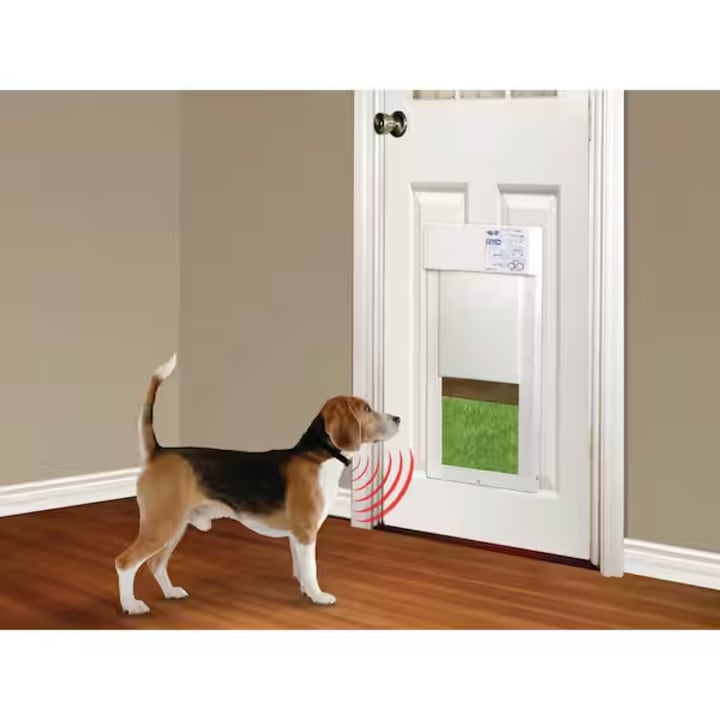
Interactive Toys and Companionship Robots: While not strictly "training" devices in the traditional sense, AI-powered interactive toys and robots often provide mental stimulation and physical activity, reducing boredom and destructive behavior. Because a tired, mentally stimulated pup is a well-behaved one.
The Big "Paws-itives": Benefits for Busy Pet Parents
Why are these tools exciting for dog lovers?
Increased Consistency: Let's face it – we're only humans. We miss cues, reward too late, or plain forget. AI doesn't. It delivers spot-on timing with every cue and treat, helping your pup learn faster and with less confusion.
Personalized Learning: Some platforms go beyond cookie-cutter commands and start to learn from your dog's unique pace and personality. Whether your pup's a fast learner or a slow-and-steady type, these systems can adjust — no more "one size fits all" frustrations.
Convenience and Accessibility: Busy schedule? Out running errands? These tools keep the engagement going even when you're away. It's like having a backup trainer that works on your dog's progress while you're living.
Keeping it Kind and Smart: Ethical Thoughts
As exciting as this tech is, here's the bottom line: AI is a tool, not a replacement for your dog's favorite human (that's you!). So, let's use it wisely, with our dogs' well-being front and center.
Human Connection First: No machine can replace belly rubs, sniffy walks, or just being there. Your dog needs your love, not just perfectly timed treats. Smart AI wearables can assist, but the connection is your job (and joy).
Positive Only: The best AI training systems stick to praise and treats, not punishment. If a device suggests scolding or punishments, back away slowly. Building trust, not fear, is the real goal.
Responsible Tech: As with any device collecting data, privacy and ethical data collection are essential considerations.
Consult the Experts: If your dog's dealing with anxiety, reactivity, or health changes, AI isn't a substitute for a great vet or certified trainer. Think of it as a backup, not a solo act.
Think of AI devices as helpful assistants, providing structure and consistency when you can't, freeing you up for fun like those perfect, connection-building training moments and all the belly rubs!
The Tail-Wagging Future
DogExpress' still at the beginning of this exciting journey, but already, smart devices are helping pet parents feel more supported while giving dogs more consistency, structure, and fun. Whether keeping a routine or tackling training goals, these tools improve life at both ends of the leash.
But at the heart of it all? It's still about understanding, love, and those everyday moments that make your bond unshakable. So go ahead — let the tech lend a paw. You bring the heart.
About the Creator
Dog Express
DogExpress is an all-inclusive information hub dedicated towards dogs.
Keep reading
More stories from Dog Express and writers in Petlife and other communities.
How AI-Powered Smart Collars Keep Dogs Safe and Healthy
Smart collars for dogs are like the Fitbit or Apple Watch of the pet world. They clip onto a regular collar and use tiny sensors, GPS chips, and connected apps powered by AI tech to keep tabs on your dog's health and location.
By Dog Express9 months ago in Petlife
Two Grumpy Old Men Solve the Problem
Marty and Steve were two grumpy old men who lived together. They had known each other for years. Marty had been a bachelor all his life. Steve said it was because no one could stand to ever live with. Marty’s standard reply was “Well, you are, so what sort of a moron does that make you!”
By Calvin London2 days ago in Humor




Comments
There are no comments for this story
Be the first to respond and start the conversation.