
Should Small Dogs Wear a Harness?
Understanding the Benefits and Safety of harnesses for Small Dogs

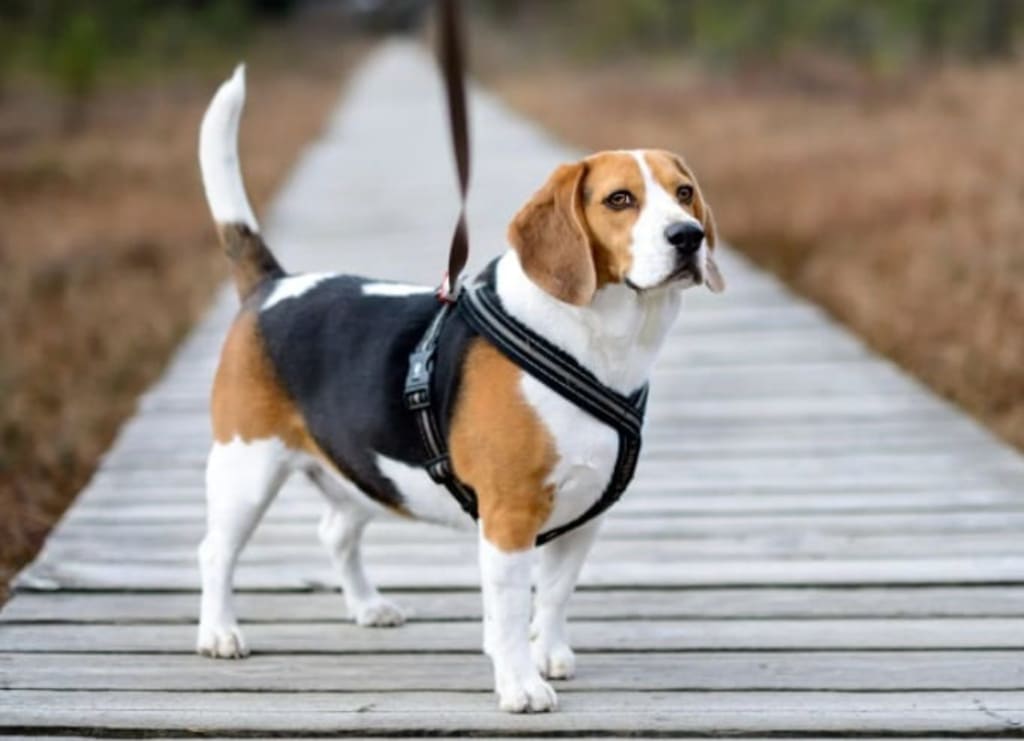
Choosing the right accessories for your pet is part of responsible pet care. One common question that dog owners ask is whether small dogs should wear a harness. In this article, we will explore the benefits of using a harness for small dogs, how to select the right one, and why it is often a better option compared to traditional collars.
Why Consider a Harness for Small Dogs?
Small dogs have different needs because of their size and body structure. Their fragile bodies make them more vulnerable to injuries resulting from pressure on their necks and throats. Using a small dog harness can help reduce these risks and provide better control during walks.
1. Reduces strain on the neck
Traditional collars tend to put a lot of pressure on the neck of a small dog, especially when they pull or lunge while walking. Such pressure may cause injuries, such as tracheal collapse, which is common in small breeds. A harness spreads the force across the chest and shoulders, thus reducing strain.
2. Offers Better Control
Harnesses provide better control over your dog, especially for small, energetic breeds. The secure fit of a harness reduces the chances of your pet slipping out, ensuring their safety during outdoor adventures.
3. Prevents Injury in Fragile Breeds
Small breeds of dogs have fragile bones and sensitive throats. A harness is more comfortable and gentle for the puppy and minimizes injury risks while walking or in training sessions.
Types of Small Dog Harnesses
When choosing a small dog harness, it helps to know about the various types found in the market. Each type serves specific purposes and has its unique advantages.
Step-In Harness
A step-in harness is easy and simple to put on. Your dog simply steps into the harness, and then it is secured around the chest and back of the dog. This harness is very suitable for dogs who do not like having something placed over their head.
Vest Harness
Vest harnesses provide a snug and comfortable fit, which makes them suitable for small dogs with sensitive skin. They often have padding for added comfort and are excellent for extended wear.
No-Pull Harness
No-pull harnesses are made to discourage pulling. They have a front clip that makes your dog move in the opposite direction whenever they pull, hence making them walk better.
Adjustable Harness
An adjustable harness is a great option as it can be fitted according to your dog's body. This is very helpful for puppies that grow and small breeds with odd body shapes.
How to Choose the Best Harness for Your Small Dog
The right harness is selected with regard to the size, material, and intended use. Some tips to choose the right one are as follows:
1. Measure Your Dog Correctly
Measure your dog's chest girth, neck circumference, and weight accurately. Most harnesses come with a sizing guide that will ensure you get the proper fit.
2. Choose High-Quality Materials
Choose harnesses that are light, breathable, and made from materials such as nylon or mesh. They are less heavy, easily cleaned, and comfortable for your dog.
3. Safety Feature Consideration
Choose features including reflective strips, secure buckles, and padded straps. The safety and comfort features improve their use during walking, especially when the light conditions are low.
4. Behavioral Alignment with the Dog
If your puppy is a tugger, maybe the best will be a no-pull harness. Or if your pooch loves comfortable things, consider a padded vest harness.
More Budget-Friendly Options for the Small Dog Harness
Finding a quality harness for small-sized dogs doesn't have to make a hole in your pocket. There are indeed many affordable options that present excellent features as well as strength. Look out for brands providing adjustable fits as well as rugged materials at decent prices. To get the value for money spent, prioritize the functionality and comfort over flashy designs.
Harness or Collar? What is Good for Small Breeds?
The common use of a collar for the identification tag does not make it the best accessory for a small dog on the street. Pressure from a collar on the neck is sometimes unwarranted, which causes discomfort and potential health problems. A harness, in contrast, would be a much safer and more ergonomic approach as pressure will be distributed equally across the chest and back.
Collars are still useful for carrying ID tags and microchip information. Many pet owners use both-a collar for identification and a harness for walks-to get the best of both worlds.
Training Your Small Dog to Wear a Harness
Training your dog to wear a harness requires patience and positive reinforcement. Follow these steps to ensure a smooth transition:
Gradual Introduction: Introduce the harness slowly, so the dog smells it and feels its texture.
Using Treats: Reward the dog with treats and praise whenever the harness is being used for an easy time when associating.
Indoor Practicing: Introduce wearing a harness on a dog inside home for small time intervals.
Fit Adjustment for Comfort: Fit it in a manner that allows free movement, avoiding any restrictions from tightness.
Conclusion
Harnesses are also a suitable choice for small dogs: it is more comfortable, safe, and easy to control than its predecessor, traditional collars. With a quality small dog harness, you can be sure that your pet will have the best walking experience that even supports his health. For those in dire need of budget pet care, there are numerous affordable harnesses offered in the market: they are true value for money that doesn't trade off on quality.
Whether your pet is a teeny-tiny Chihuahua or an energetic Yorkie, an appropriate harness is a smart investment in their health.
About the Creator
Shaggy Dawg
Shaggy Dawg is dedicated to providing luxury pet supplies that keep your furry friends happy and healthy. We offer a wide range of grooming essentials, nutritious treats, and accessories designed to cater to your pet’s needs.
Keep reading
More stories from Shaggy Dawg and writers in Petlife and other communities.
How to Make a Windowsill More Comfortable for Cats
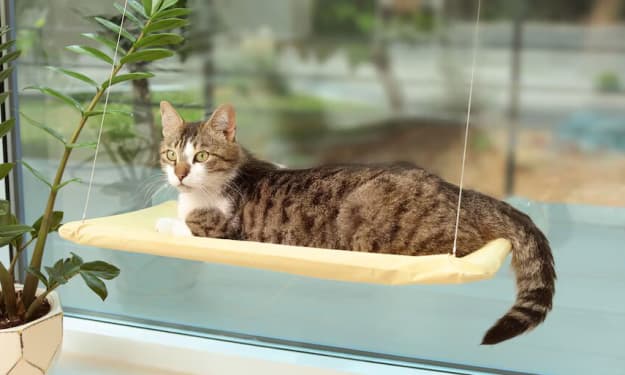
Cats are naturally curious creatures and enjoy watching the world go by. Windowsills often become the favorite spot where birds, squirrels, and all the sceneries are passed by while offering a great vantage point to view it all. In creating a window experience for your cat, make sure that this becomes a place for them to sit comfortably without fear of their perch. Here's how to make the best window experience for your feline.
By Shaggy Dawgabout a year ago in Petlife
The Summer I Was Chosen by a Northern Mockingbird
During the long, suspended days of the pandemic, a wild mockingbird began visiting my driveway and chose me, again and again. What started as a strange encounter became a brief, meaningful connection that I still carry with me.
By Erica Roberts 6 days ago in Petlife
Low-Maintenance Grooming Routines for Active American English Coonhounds
American English Coonhounds are known for their athletic build, boundless energy, and unmistakable baying voice. Originally bred for endurance and hunting, these dogs thrive on activity and adventure.
By Tenafly Veterinary Centre4 days ago in Petlife



Comments
There are no comments for this story
Be the first to respond and start the conversation.