
Saint Bernard Dog: A Comprehensive Guide
Full Details Of Saint Bernard Dos


Saint Bernard Dog: A Comprehensive Guide
The Saint Bernard is a large and majestic breed known for its strength, loyalty, and gentle nature. Originally bred for rescue work in the snowy Alps, Saint Bernards are now cherished as family pets. This article offers a detailed guide to the Saint Bernard dog, covering their history, physical characteristics, temperament, care needs, pros and cons, comparisons with other breeds, and tips for ownership.
Overview of the Saint Bernard
Saint Bernards are one of the most recognizable dog breeds in the world. They are giant dogs with a heart as big as their size. While they were initially bred to help rescue people from avalanches, they have become beloved companions known for their patience and friendliness.
Key Facts
- Size: Giant (weighing 120–180 pounds, standing 25–30 inches tall)
- Coat: Short-haired or long-haired; colors include red and white, brown and white, or brindle.
- Lifespan: 8–10 years
- Temperament: Loyal, gentle, protective, and patient.
- Ideal Environment: Homes with space, cooler climates, families with children.
History and Origin

Saint Bernards were first bred by monks at the Saint Bernard Hospice in the Swiss Alps around the 17th century. The hospice provided shelter to travelers crossing the treacherous mountain passes, and the dogs were bred to assist in rescuing stranded or lost people.
Known for their incredible strength, endurance, and keen sense of smell, Saint Bernards played a vital role in finding and saving avalanche victims. They were named after the Saint Bernard Pass, where the hospice was located. Their heroic deeds earned them international fame, making them one of the most iconic breeds.
Physical Characteristics
Saint Bernards are impressive in size and appearance. Despite their large build, they carry an aura of calmness and dignity.
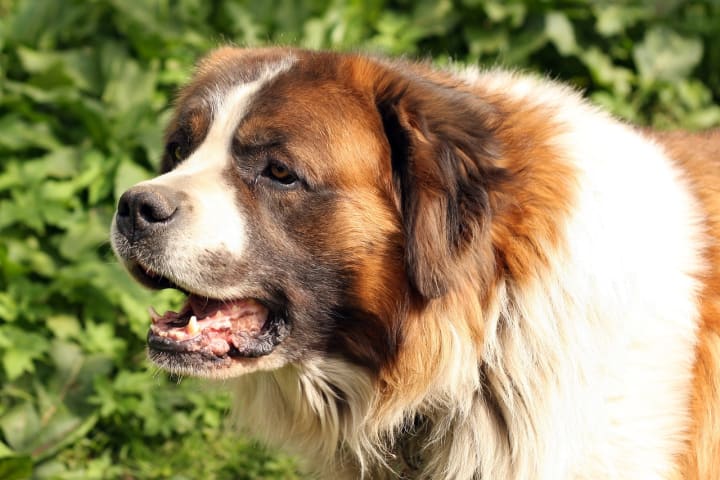
- Head and Face: They have a broad skull, a wrinkled forehead, and expressive eyes that exude warmth. Their large, drooping jowls are characteristic of the breed.
- Body: Saint Bernards have a muscular and strong build, with a broad chest and sturdy legs that allow them to navigate snow and rough terrain.
- Coat: They come in two types—short-haired (smooth) and long-haired (rough). Both types are dense to protect them from cold weather.
- Colors: Their coats are typically a mix of white and another color, like red, brown, or brindle.
Temperament and Personality

Saint Bernards are affectionately known as "gentle giants." They are calm, patient, and protective, making them excellent companions for families, especially those with children.
- Loyalty: They are deeply loyal to their families and thrive on companionship.
- Protectiveness: While not aggressive, they are naturally protective and will alert you to any perceived threats.
- Gentle Nature: Their patient and kind temperament makes them ideal for families with young children.
- Intelligence: Saint Bernards are smart but can be stubborn, so consistent training is necessary.
Care and Maintenance
Diet and Feeding
Saint Bernards have large appetites to match their size. It is important to feed them high-quality dog food tailored to their age, weight, and activity level. Overfeeding can lead to obesity, which puts extra strain on their joints.
Exercise Needs
Despite their size, Saint Bernards are not overly active. Moderate exercise, such as daily walks and light playtime, is sufficient. They are prone to overheating, so exercise them during cooler parts of the day.
Grooming
Regular grooming is essential to keep their coat healthy:
- Brush their coat 2–3 times a week to remove loose hair.
- Bathe them as needed, especially if they spend time outdoors.
- Clean their ears and trim their nails regularly.
Health Care
Saint Bernards are prone to certain health issues:
- Hip and Elbow Dysplasia: Joint problems are common due to their size.
- Bloat: A life-threatening condition where the stomach twists. Feeding smaller, frequent meals can help prevent it.
- Heart Problems: Regular checkups are important.
- Eye Issues: Conditions like entropion (inward-turning eyelids) can occur.
Pros and Cons of Owning a Saint Bernard
Pros
1. Family-Friendly: Great with children and other pets.
2. Protective: Naturally alert and protective without being aggressive.
3. Loyal: Forms strong bonds with their families.
4. Calm Temperament: They are not hyperactive and are easygoing indoors.
Cons
1. Size: Their large size may not be suitable for small homes or apartments.
2. Health Issues: They are prone to certain genetic conditions.
3. Shedding and Drooling: Regular grooming and cleaning are necessary.
4. Short Lifespan: They live only 8–10 years, which can be heartbreaking.
Comparison with Other Dog Breeds
saint Bernard vs. Newfoundland
- Both are large, gentle breeds, but Newfoundlands are more water-oriented and love swimming.
- Saint Bernards are more protective, while Newfoundlands are friendlier with strangers.
Saint Bernard vs. Great Dane
- Great Danes are taller and leaner, while Saint Bernards are bulkier.
- Saint Bernards are better suited for families with children, as they are more patient.
Saint Bernard vs. Bernese Mountain Dog
- Both breeds have similar temperaments, but Saint Bernards are larger and more protective.
- Bernese Mountain Dogs are more energetic and require more exercise.
Tips for Potential Owners

1. Space Requirements: Ensure you have enough space for a large dog.
2. Commitment: Be prepared for grooming, feeding, and healthcare needs.
3. Training: Start training early to manage their size and ensure good behavior.
4. Climate: Saint Bernards thrive in cooler climates and may struggle in hot weather.
5. Family Time: They need companionship and do not do well if left alone for long periods.
Conclusion
The Saint Bernard is a remarkable breed with a rich history and a heartwarming personality. They are loyal, gentle, and protective, making them excellent family pets. However, owning a Saint Bernard comes with responsibilities, including their grooming, feeding, and healthcare needs.
If you are looking for a loving and calm companion and are ready to commit to their care, a Saint Bernard dog can bring immense joy and companionship to your life. Their noble history as rescue dogs is a testament to their intelligence, bravery, and dedication, and these traits continue to shine in their role as cherished family members today.
About the Creator
Keep reading
More stories from Ankur kumar and writers in Petlife and other communities.
Human Food for Cats: What You Need to Know
Human Food for Cats: What You Need to Know Cats are obligate carnivores, meaning they depend on animal-based food to meet their nutritional needs. Although cats may seem interested in your meals, not all human food is suitable for them. While some human foods can be shared with your feline friend, others may cause serious health problems. This article will help you understand which human foods are safe for cat and which ones to avoid when feeding your cat human food.
By Ankur kumar12 months ago in Petlife
A Dart at Dusk
Seconds ago, the sullen sun set on the two of us… my exuberant furry companion and me. A fresh breeze embraces us, delivering welcome relief from the day’s oppressive heat. His typical stumbling and staggering along — apace with a sloth — has turned into trip-trapping, high-stepping, almost skipping along.
By Angie the Archivist 📚🪶5 days ago in Petlife
Your Puppy Can Feel Your Stress Instantly
The Incredible Science Behind How Puppies Sense Your Emotions and React Before You Even Realize It --- You walk into the room, shoulders slumped, jaw tight, heart racing from a stressful day. Before you even speak, your puppy is there—tail tucked, eyes alert, nose nudging your hand. Almost magically, they know something is wrong.
By Ahmed aldeabella3 days ago in Petlife



Comments
There are no comments for this story
Be the first to respond and start the conversation.