
Reptiles Health Supplements: A Complete Guide for Stronger, Healthier Pets
Read this blog to know - Reptiles Health Supplements: A Complete Guide for Stronger, Healthier Pets

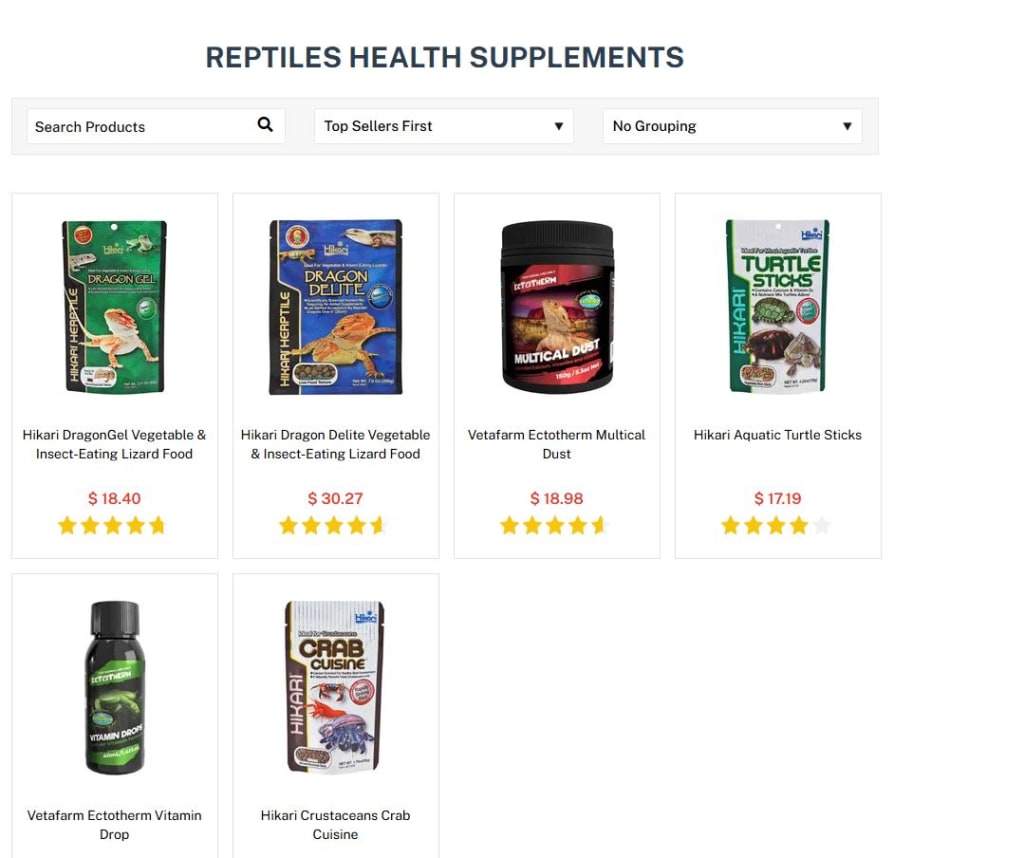
Reptiles may look tough with their scales and shells, but inside, they’re just as dependent on proper nutrition as any other pet. In captivity, reptiles often don’t get all the nutrients they would naturally consume in the wild. That’s where reptile health supplements step in. These specialized products ensure your reptile gets everything it needs for strong bones, healthy skin, and a longer life.
Understanding Reptile Nutrition
In the wild, reptiles eat a variety of insects, plants, small mammals, and even other reptiles depending on their species. This natural variety provides all the essential vitamins and minerals they need. In captivity, however, their diet can be limited, creating nutrient gaps. Supplements help fill those gaps and mimic the diversity of a natural diet.
Why Supplements Are Essential for Reptiles
Preventing deficiencies that can lead to serious health issues.
Supporting growth and development in young reptiles.
Boosting immunity to fight off infections.
Promoting healthy skin, scales, and bones.
Without proper supplements, reptiles risk developing conditions like metabolic bone disease, skin disorders, and weakened immune systems.
Common Nutritional Deficiencies in Reptiles
Calcium deficiency – Leads to metabolic bone disease (MBD), common in lizards and turtles.
Vitamin D3 deficiency – Prevents proper calcium absorption, often caused by lack of UVB lighting.
Vitamin A deficiency – Can result in poor vision, respiratory issues, and weak immunity.
Protein imbalances – Affect growth, energy, and muscle development.
Types of Reptile Health Supplements
Reptile supplements come in various forms to meet different needs:
Vitamin powders – Easy to sprinkle on food.
Mineral blends – Provide essential trace minerals.
Calcium + D3 supplements – Prevent bone-related diseases.
Multivitamins – Cover multiple gaps at once.
Liquid drops – Convenient for picky eaters or sick reptiles.
Calcium Supplements for Reptiles
Calcium is arguably the most important supplement for reptiles. It:
Strengthens bones and shells.
Prevents metabolic bone disease.
Supports muscle function and egg production.
Dusting insects or greens with calcium powder is a simple and effective way to ensure reptiles get enough calcium.
Vitamin D3 and UVB Lighting
Calcium alone isn’t enough. Without Vitamin D3, reptiles can’t absorb calcium properly. UVB lighting helps reptiles synthesize Vitamin D3 naturally, but for indoor pets, adding a supplement ensures balance.
Multivitamin Supplements
These are great for reptiles that need an all-in-one boost. Multivitamins:
Support skin health and shedding.
Improve appetite and energy.
Help reptiles recover from illness or stress.
Probiotics and Digestive Support
Good digestion means better nutrient absorption. Probiotic supplements:
Balance gut bacteria.
Reduce digestive problems.
Support overall immunity.
Herbal and Natural Supplements
Some reptile owners turn to natural solutions like spirulina, bee pollen, or herbal blends. These provide antioxidants and immune-boosting properties while being safe for reptiles when used correctly.
Liquid vs. Powdered Supplements
Powders are ideal for dusting live food or fresh veggies.
Liquids are easier to administer through water or direct drops.
Each type has its pros and cons, but both can be highly effective depending on your reptile’s eating habits.
Choosing the Right Supplement for Your Reptile
Different reptiles have different needs:
Lizards (bearded dragons, geckos): High calcium, Vitamin D3, and multivitamins.
Turtles and tortoises: Calcium, Vitamin A, and probiotics.
Snakes: Less frequent supplementation but may benefit from vitamins depending on diet.
Always consider your reptile’s species, age, and overall health before choosing a supplement.
How to Administer Supplements Safely
Dusting food: Roll feeder insects in powdered supplements.
Mixing liquids: Add drops to drinking water or directly to the reptile’s mouth if prescribed.
Frequency: Most reptiles need supplements 2–4 times a week, but always follow product instructions.
Mistakes to Avoid with Reptile Supplements
Over-supplementation: Too much Vitamin D3 or calcium can harm kidneys and liver.
Using human vitamins: These can be toxic to reptiles.
Skipping UVB lighting: Supplements alone aren’t enough without proper enclosure lighting.
Signs Your Reptile Needs Supplements
Weakness or soft shells in turtles
Difficulty shedding or dull skin
Poor appetite or lethargy
Bone deformities in young reptiles
If you notice these, consult a reptile vet and adjust supplement use.
Tips for Overall Reptile Health
Provide a varied diet (insects, greens, fruits depending on species).
Maintain proper humidity and temperature.
Use UVB lighting consistently.
Schedule regular vet check-ups.
Conclusion
Reptile health supplements are more than optional—they’re essential for your pet’s long-term well-being. By choosing the right mix of calcium, vitamins, probiotics, and natural boosters, you can help your reptile thrive in captivity. Pair supplements with proper lighting, a balanced diet, and a clean enclosure for the best results. A little extra care goes a long way in keeping your scaly friend strong and healthy.
FAQs
1. Do all reptiles need calcium supplements?
Yes, most do—especially lizards and turtles. Calcium helps prevent metabolic bone disease.
2. Can I give my reptile human vitamins?
No. Human vitamins can contain toxic levels of certain ingredients for reptiles.
3. How often should I dust food with supplements?
Usually 2–4 times a week, depending on the species and diet.
4. Are liquid supplements better than powders?
Not necessarily—it depends on your reptile’s feeding habits. Both forms can be effective.
5. What happens if I over-supplement my reptile?
Excess supplements can lead to kidney or liver problems, so always follow dosage guidelines.
About the Creator
Thomas Muller
VetSupply is a leading online pet store in Australia with a comprehensive range of products that cater to all your pet care needs.
Keep reading
More stories from Thomas Muller and writers in Petlife and other communities.
Reptile Skin Care Products: A Complete Guide for Healthy Scales
Reptiles may not have fur like cats and dogs, but their skin and scales require just as much care and attention. From shedding issues to infections, reptiles can face a variety of skin-related problems if not properly maintained. Using the right reptile skin care products ensures your scaly companion remains healthy, comfortable, and vibrant.
By Thomas Muller6 months ago in Petlife
Are Lick Mats Actually Good For Dogs, Cats, and Small Pets?
If you have been to pet shops or online pet groups lately, you have likely seen the pet lick mat. These bright, bumpy rubber mats are a huge hit, and for good reason. Pet owners find that their dogs, cats, and small pets love them.
By Alice Adamsa day ago in Petlife
Winterthorne
Winterthorne stood alone at the edge of the park. The beautiful snow that had surrounded him was all trampled now, from the feet of all of the children who had built him. He missed the sparkly clean snow blanket, but he was happy that so many children had come out to make him.
By Laura DePace7 days ago in Fiction




Comments
There are no comments for this story
Be the first to respond and start the conversation.