
Reptile Supplies: The Ultimate Guide for Every Reptile Owner
Read this blog to know - Reptile Supplies: The Ultimate Guide for Every Reptile Owner

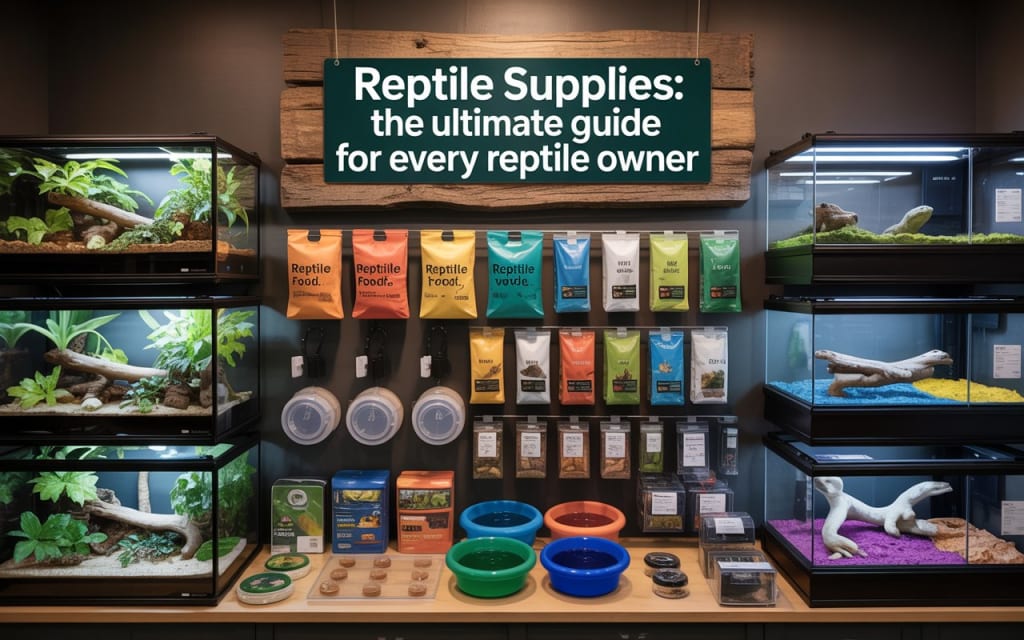
Owning a reptile is both exciting and rewarding, but it comes with its own set of responsibilities. Unlike cats or dogs, reptiles need specific environments to survive and thrive. That’s where reptile supplies come in — the right equipment and care essentials can make all the difference in your pet’s health, happiness, and longevity.
Setting the Foundation – Choosing the Right Enclosure
Different Types of Reptile Enclosures
From glass terrariums to PVC or wooden vivariums, enclosures come in various materials. Glass is perfect for humid species like geckos, while wooden or plastic enclosures are better for species that prefer a dry environment, like bearded dragons.
Choosing the Right Size and Material
Always choose an enclosure that matches your reptile’s adult size, not just the baby stage. It’s like buying a house — your pet should have space to move, climb, and explore freely.
Essential Features for Comfort and Safety
Ensure your setup includes secure locks, ventilation, and easy access for cleaning. A well-designed home reduces stress and keeps your reptile safe from escape or injury.
Substrates and Bedding
What Is a Substrate and Why It Matters
Substrate is the bedding or ground cover in your reptile’s habitat. It helps regulate humidity, supports natural behaviors like burrowing, and adds aesthetic appeal.
Best Substrates for Different Reptile Species
Snakes: Aspen shavings or cypress mulch
Lizards: Reptile carpet or sand blends
Turtles: Coconut fiber or soil mixes
Cleaning and Maintenance Tips
Spot-clean daily and replace the substrate every few weeks. Using a reptile-safe disinfectant ensures your pet’s home stays fresh and germ-free.
Temperature and Humidity Control
Importance of Correct Temperature and Humidity
Reptiles are cold-blooded, meaning they depend on their environment to regulate body temperature. Without proper heat and moisture, they can fall ill quickly.
Heating Lamps, Pads, and Thermostats
Use basking lamps, ceramic heaters, and under-tank pads to create warm zones. A thermostat helps you maintain consistent conditions — no overheating or cold spells.
Humidifiers and Misting Systems
Some reptiles, like chameleons, need high humidity. Automated misting systems or foggers make this easier, mimicking their natural environment perfectly.
Lighting Essentials
UVB Lighting and Its Benefits
UVB light helps reptiles synthesize vitamin D3, essential for calcium absorption. Without it, they risk metabolic bone disease.
Day and Night Light Cycles
Just like us, reptiles need a proper light cycle. Keep a 12-hour day/night rotation for balance and mental well-being.
Choosing the Right Bulbs and Fixtures
Always match the light intensity and wavelength to your reptile’s species. For example, desert reptiles need stronger UVB lighting than rainforest dwellers.
Feeding and Nutrition
Food Types for Reptiles
Reptiles’ diets vary widely. Some are carnivores (like snakes), some herbivores (like iguanas), and others omnivores (like turtles). Always research your species’ needs.
Feeding Tools and Accessories
Feeding tongs, bowls, and insect feeders help maintain hygiene and safety during mealtime.
Supplements and Vitamins
Calcium and multivitamin powders keep your reptile’s diet nutritionally complete. Dust food with supplements a few times a week for best results.
Water and Hydration
Water Dishes and Fountains
Provide clean water daily. Use shallow bowls for small reptiles and fountains for species that prefer moving water.
Misting Systems for Hydration
Not all reptiles drink from bowls — some lick water off leaves! Misting systems can help replicate this natural behavior.
Cleaning and Replacing Water Regularly
Change the water daily to prevent bacterial buildup. Use dechlorinated water to keep your pet safe.
Decor and Enrichment
Creating a Naturalistic Habitat
Add plants, branches, rocks, and hides to make your reptile’s environment resemble its wild home.
Hiding Spots and Climbing Accessories
Reptiles love to explore and hide. Provide multiple levels and textures to keep them stimulated and stress-free.
Importance of Enrichment for Reptile Behavior
Enrichment promotes exercise, reduces boredom, and supports mental health. Think of it as giving your reptile a gym and playground in one.
Health and Hygiene Supplies
Cleaning Solutions and Disinfectants
Use reptile-safe cleaning sprays to sanitize enclosures and accessories weekly.
Parasite Control and First Aid Kits
Keep a reptile first aid kit handy for emergencies. Include antiseptic sprays, tweezers, and parasite treatments.
Regular Health Checkups and Grooming Tools
Routine vet visits and grooming (like nail trimming for lizards) ensure long-term wellness.
Handling and Safety Equipment
Gloves, Hooks, and Tongs
Use proper tools for handling, especially for snakes or large reptiles. It keeps both you and your pet safe.
Safe Handling Practices
Always support your reptile’s body, move gently, and avoid sudden movements.
Preventing Stress During Handling
Limit handling time and observe your reptile’s mood — some enjoy it, others don’t!
Transporting Your Reptile
Choosing a Secure Travel Carrier
A sturdy, ventilated carrier is essential for vet trips or travel.
Travel Tips for Long Journeys
Keep temperature stable and minimize noise. Carry familiar items to reduce stress.
Keeping Temperature Stable on the Go
Portable heating pads or insulated carriers work wonders during travel.
Seasonal Care Tips
Adjusting for Cold and Hot Weather
Modify lighting and humidity based on the season to maintain consistency.
Breeding Season Requirements
Some species need specific conditions for breeding — temperature gradients, nesting boxes, etc.
Monitoring Changes in Behavior
Unusual behavior often signals stress or illness — observe and act quickly.
Conclusion
The right reptile supplies are more than just accessories — they’re essentials for a healthy, happy pet. Whether it’s a cozy enclosure, proper lighting, or nutritious food, every item plays a role in your reptile’s well-being. Investing in quality products ensures your cold-blooded companion thrives for years to come.
FAQs
1. What are the essential supplies for a new reptile owner?
A proper enclosure, substrate, heating and lighting setup, water dish, and food supplies are must-haves.
2. How often should I clean my reptile’s enclosure?
Spot-clean daily and deep-clean every 2–4 weeks to maintain hygiene.
3. What type of lighting do reptiles need?
Most reptiles need UVB lighting to synthesize vitamin D3 and absorb calcium.
4. How can I tell if my reptile is healthy?
Look for clear eyes, regular eating habits, smooth skin, and active movement.
5. Can I use regular household items as reptile supplies?
It’s best to avoid that. Always choose reptile-safe, non-toxic materials.
About the Creator
Thomas Muller
VetSupply is a leading online pet store in Australia with a comprehensive range of products that cater to all your pet care needs.
Keep reading
More stories from Thomas Muller and writers in Petlife and other communities.
Why the Right Horse Supplies Matter
Owning a horse is part romance, part logistics. You want your horse to be comfortable, safe, and performing well — and the gear you buy makes a massive difference. Think of horse supplies like the wardrobe and toolbox combined: the right tack fits like a tailored suit, feed fuels like premium gas, and grooming gear keeps your horse shining like a show winner. Buy poorly and you'll fight sore backs, fussy behavior, and faster wear-and-tear. Buy smart, and your horse will thank you in smooth gaits and a glossy coat.
By Thomas Muller5 months ago in Petlife
Authenticity and Presence: What Animals Can Teach Actors About Emotional Truth
Actors spend years searching for authenticity. Acting schools teach technique, rehearsal methods focus on emotional preparation, and directors guide performers toward believable moments on screen. Yet sometimes the most meaningful lessons about authenticity come from unexpected places.
By Andreas Szakacs2 days ago in Petlife
The Gourmet Grumble: Navigating Life with Dog Breeds That Are Picky Eaters
We’ve all seen the commercials: a happy Golden Retriever hears a kibble bag crinkle from three rooms away, skids across the hardwood floor, and inhales a bowl of dry food in approximately four seconds. It’s the universal image of canine appetite.
By MINNIE PEARL’S LIVER LEAVIN’S2 days ago in Petlife
Why Didn't Anyone Tell Us
Men, move along. This is not for you. This is for the women. I was forty-five when I began menopause. It is pretty young for that to be going on in a woman’s life, but I had undiagnosed PCOS, my entire life. Thank you to all the gynecologists I had seen my entire life. That in itself should encourage women to keep seeking second opinions, especially when you are not getting correct answers or any at all.
By Alexandra Grant6 days ago in Humans



Comments
There are no comments for this story
Be the first to respond and start the conversation.