
Puppy and dog training mastery
The perfect guide to training your puppy
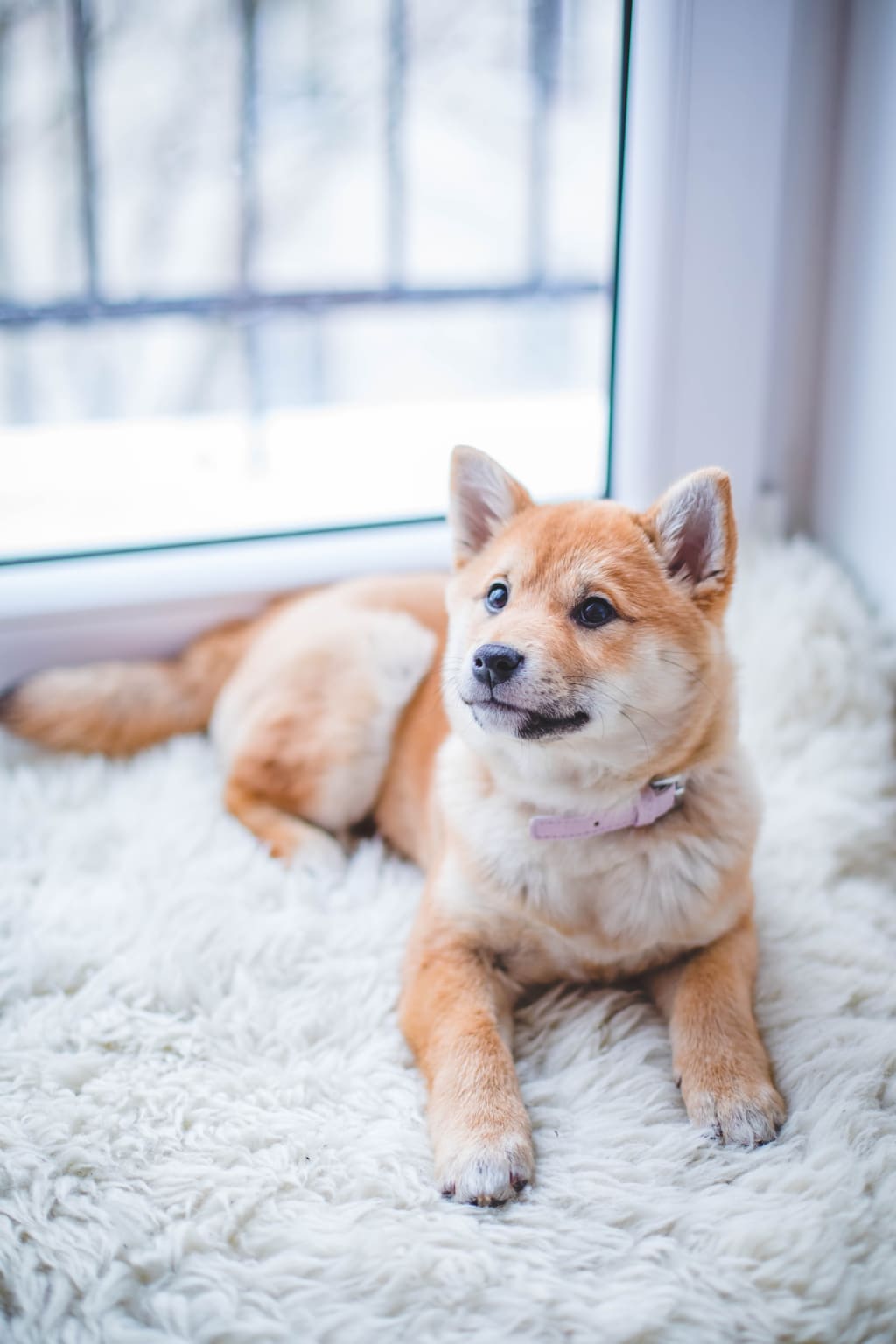
Trying to acquire new puppy can be fun and interesting. You probably saw a cute little puppy online. Before you knew it those little eyes and fluffy puppy fur had your heart melting and you were headed home with him or her in your arms. If you are like most new pet owners you had visions of playing fetch with your dog, of watching him frolic at the lake, and of cuddling up on cold nights.
However, you probably failed to realize that the behaviors you dream of in a dog do not come naturally. In fact, the more natural behaviors for most puppies include lovely little things like chewing up your favorite shoes, barking every second of the day, and peeing wherever they are when the mood strikes them. These behaviors might seem cute at first, or even manageable but, if left unchecked they can lead to a very bad adult dog.
The problem with puppies that are not trained is that they grow into untrained dogs. An untrained dog can be a nuisance. All of that cute little yipping can quickly become loud barking that keeps you and your neighbors up for nights on end. The little teeth marks in your shoes can turn into destroyed furniture and a destroyed home before you know it. Likewise, those cute little puppy poops are not so cute when the dog is 75 pounds and has the excrement to match. Untamed dogs can also be very dangerous. Dogs bite. It is in their nature to defend with everything they have, including their teeth. You have to teach your dog not to use their teeth so that no one gets hurt, at least not when they are playing with them. While we all expect our dog to protect us in a worst situation, you should train your dog to be non-confrontational. Dogs that pose a danger to the community are at risk of being killed.
In addition, dogs that are problematic for any of the reasons oten wind up homeless. People grow tired of dogs that never grow up, and then they take those dogs to the shelter. We all know how sad life can be for a shelter dog and the end that many of those dogs meet. If you really love your new puppy and intent to have a long and happy life with it, train her. By training your dog you teach her how to live in your world and increase the likelihood that your life together will be long and happy for the both of you. Dogs have been living with humans for more than 15,000 years. Because of this long term of human companionship the puppy that you adopt today needs you. Dogs are not truly able to live by themselves in the wild. They are not adapted to living outside and fetching for food. Indeed the dog you adopt today needs you and years to please you. That desire to please their master is the reason that dogs are so easily trainable.
Housebreaking Your Puppy
The most important and first thing you will do is potty training. Your dog knows no difference between the inside of your house and the backyard. As far as they are concerned there are very few places that are not acceptable place to defecate or urinate. You probably have very different ideas. It should be relatively easy for you to train your dog to go outside if you are willing to follow the steps given here. As you begin this process you may have to cut those close and cuddly ties you have already established with your puppy. To housebreak a puppy you will need to keep him confined to a small area, not your lap, in the home. While this may seem like punishment remember that dogs were once den dwelling animals. They like their crate or doghouse it makes them feel secure. They also want your praise, so by training them you will be able to give them the praise that they desperately want.
Get a crate or kennel for your puppy. When you are not actively engaged in playing with or walking your puppy he or she should be in a crate. This includes overnight and while you are not home. The puppy should not expect, nor should he be given free run of your home. This will give him an early sense of dominance and make it harder to train him. In addition, most dogs will not eliminate in their kennels, so you reduce the risk of an in home accident. The crate should be large enough for your dog to sit up, stand, and turn around. Too large of a crate is not going to make your dog feel secure and too small will be uncomfortable. Since your dog will likely get larger you may have to invest in successively larger kennels. Maintain them well and you should be able to sell them online or at a yard sale. Your local dog shelter would probably love a donation of an old kennel if you are so inclined.
Plan to have someone with your puppy most of the time. You should not get a puppy the day before you leave on a two week vacation. The best time to get a puppy is Friday after work so you have at least two full days to spend solely on housebreaking. Most of your time should be spent around the house with your new dog making him feel comfortable and getting him on a puppy schedule. Purchase training supplies. You will need treats, and lots of them for housebreaking and other behavioral training. Buy a large supply and a wide variety of treats. There are all sorts of different kinds available, make sure to get ones that your little puppy can handle chewing up. You might even cut up the treats into small, bite sized pieces.
About the Creator
Keep reading
More stories from writers in Petlife and other communities.
Cleo's First Puppy Show
"How would you feel about doing the Corsicana show in November?" Kathleen asked me last September. Dog exhibitors speak in shorthand that way. It's easier to say "the Corsicana show" than it is to say the "North East Texas American Eskimo Dog Association Show." And yes, "North East." I guess "Northeast" shortened the name too much for some people's taste . . . But I digress. In response, I asked two of the three important questions that every exhibitor thinks, first thing.
By Kimberly J Egan28 days ago in Petlife
If your dog barks at night, don’t ignore it.
Night falls, and with it, silence—at least for most of the house. But for many dog owners, the silence is short-lived. Somewhere between the ticking of the clock and the rustling of the leaves outside, the barking begins. Loud, incessant, and often unexpected.
By Paw Planet 6 days ago in Petlife


Comments (1)
Nice article, really helpful