
Probiotics for Dogs: The Key to Better Digestion and Healthier Pets
The Benefits of Probiotics for Dogs: How They Can Improve Your Pet's Digestive Health

Probiotics are more than just a trend for humans—they’re a game-changer for our furry friends too! If you're curious about how probiotics for dogs can benefit your pet, especially in terms of digestive health, this article will give you all the info you need. Whether your dog is experiencing tummy troubles or you're just trying to boost their overall well-being, adding probiotics to their diet could be the answer.
What Are Probiotics and How Do They Work for Dogs?
Probiotics are live microorganisms, often referred to as "good bacteria," that help maintain a healthy balance in the digestive system. For dogs, just like humans, these helpful bacteria play an important role in keeping their gut in check.
A dog’s digestive system is home to billions of bacteria, both good and bad. When the bad bacteria outnumber the good ones, it leads to digestive issues and even impacts their immune system. Probiotics can tip the balance back in favor of the good guys, ensuring that your pup’s gut health stays on point.
Probiotics also produce short-chain fatty acids, which help reduce inflammation and eliminate harmful bacteria like E. coli and salmonella. In turn, this can improve digestion, strengthen the immune system, and enhance your dog's overall health.
Types of Probiotics for Dogs
Not all probiotics are created equal! When it comes to probiotics for dogs, you’ll find two main types: bacterial probiotics and yeast probiotics.
Bacterial Probiotics: These include well-known strains like Lactobacillus and Bifidobacterium. These strains help break down food, aid digestion, and support immune function.
Yeast Probiotics: Saccharomyces boulardii is a popular yeast-based probiotic that works to balance gut flora and prevent infections.
When choosing a probiotic for your dog, it's important to know which strains are most beneficial for their specific needs.
Probiotics and Digestive Health
Good digestive health is key to your dog’s overall well-being. A healthy gut helps them absorb nutrients more efficiently, have regular bowel movements, and stay energetic. Probiotics can enhance your dog’s digestive health by:
Promoting regular digestion: Probiotics aid in breaking down food, ensuring your dog’s body gets the most out of their meals.
Reducing bloating and gas: Got a gassy pup? Probiotics help reduce intestinal gas and bloating, making your dog more comfortable.
Boosting immunity: A healthy gut means a strong immune system, which means fewer sick days for your furry friend!
Key Benefits of Probiotics for Dogs
Adding probiotics to your dog’s diet can lead to a host of benefits, including:
Better digestion: Probiotics help keep your dog’s digestive tract running smoothly.
Stronger immune system: A healthy gut is linked to a strong immune response, reducing your dog’s chances of getting sick.
Improved nutrient absorption: Probiotics can help your dog absorb more nutrients from their food, leading to better overall health.
Less bloating and discomfort: Probiotics can alleviate common issues like gas, bloating, and constipation.
Can Probiotics Help with Dog Diseases?
Probiotics are not just for gut health—they can also help manage or prevent certain diseases in dogs. Many dogs suffer from skin allergies, ear infections, or even autoimmune disorders, all of which are tied to their gut health.
Probiotics have been shown to reduce the severity of these conditions and prevent them from reoccurring. They do this by boosting the immune system and balancing the gut bacteria, which in turn helps regulate your dog's body's response to allergens.
The Role of Probiotics in Dog Illness Prevention
While probiotics are great for dogs with existing health issues, they also play an important role in illness prevention. By regularly incorporating probiotics into your dog's diet, you’re helping build a strong immune system that can fend off common ailments, including digestive infections.
How Probiotics Are Incorporated into Dog Food
Many dog food brands now offer formulations with added probiotics. When looking for dog food with probiotics, check the label for strains like Lactobacillus or Bifidobacterium.
Adding probiotics directly into pet food is a great way to ensure your dog gets a daily dose without needing supplements. Some dog treats also come infused with probiotics, making it easy to incorporate into your dog's routine.
Goat Milk and Probiotics: A Perfect Combo for Dogs
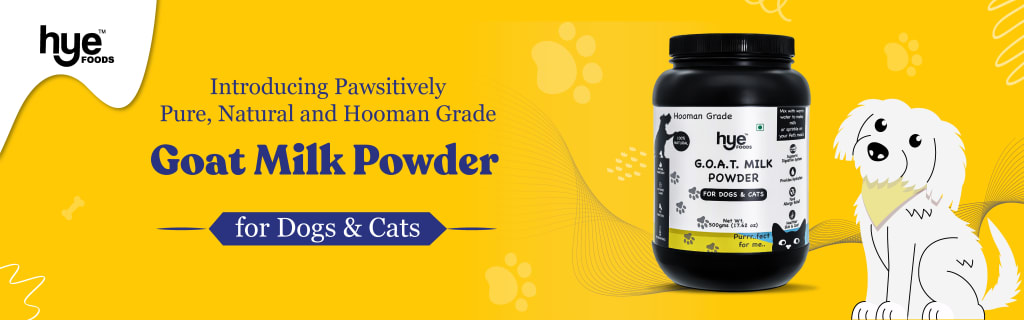
You may have heard that goat milk is a great addition to a dog’s diet, but did you know it pairs wonderfully with probiotics? Goat milk is rich in naturally occurring probiotics and enzymes, making it easier for your dog to digest their food and promoting a healthier gut.
Combining goat milk with probiotics can give your dog a double dose of digestive goodness. It’s especially beneficial for dogs with sensitive stomachs or those recovering from illness.
Signs Your Dog Needs Probiotics
Wondering if your dog needs probiotics? Here are a few telltale signs:
Irregular bowel movements or diarrhea
Excessive gas or bloating
Recurrent skin allergies or infections
Low energy levels
Poor appetite
If your dog is showing any of these symptoms, probiotics might be just what they need to get back on track.
Choosing the Right Probiotic Supplement for Your Dog
Not all probiotic supplements are the same, and it’s important to choose one that is high-quality and specifically formulated for dogs. Look for supplements that contain live and active cultures, as well as a variety of strains for maximum benefits.
Incorporating Probiotics into Your Dog’s Daily Diet
Adding probiotics to your dog's daily diet doesn’t have to be difficult. Whether you’re feeding them probiotic-rich dog food, treats, or supplements, it’s easy to find options that work for your pup. Just make sure to introduce them slowly and monitor their reactions.
Probiotics and Senior Dogs
As dogs age, their digestive systems can become more sluggish. Senior dogs may benefit from probiotics to help keep their digestive health in check and support their immune systems.
Common Myths About Probiotics for Dogs
There are many misconceptions about probiotics for dogs. Let’s debunk a few:
Myth 1: Dogs don’t need probiotics. (False! Gut health is crucial for overall well-being.)
Myth 2: All probiotics are the same. (Nope, there are different strains that serve different purposes.)
Myth 3: Probiotics only help with digestion. (Wrong! They can improve immunity, skin health, and more!)
Best Practices for Giving Probiotics to Your Dog
When giving your dog probiotics, make sure to:
Start with small doses and gradually increase
Choose probiotics that are made specifically for dogs
Consult your vet if you’re unsure about dosages
Conclusion
Probiotics are a powerful way to improve your dog’s digestive health and overall well-being. Whether you’re adding them through supplements, dog food, or treats, the benefits of a healthy gut are undeniable. By choosing the right probiotic routine, you’ll help your furry friend live a healthier, happier life.
About the Creator
Hye foods
HYE Foods educates and empowers with transparent, nutritious products like camel, soy, coconut, and goat milk powders for a healthier lifestyle.
A Dart at Dusk
Seconds ago, the sullen sun set on the two of us… my exuberant furry companion and me. A fresh breeze embraces us, delivering welcome relief from the day’s oppressive heat. His typical stumbling and staggering along — apace with a sloth — has turned into trip-trapping, high-stepping, almost skipping along.
By Angie the Archivist 📚🪶5 days ago in Petlife
Your Puppy Can Feel Your Stress Instantly
The Incredible Science Behind How Puppies Sense Your Emotions and React Before You Even Realize It --- You walk into the room, shoulders slumped, jaw tight, heart racing from a stressful day. Before you even speak, your puppy is there—tail tucked, eyes alert, nose nudging your hand. Almost magically, they know something is wrong.
By Ahmed aldeabella3 days ago in Petlife


Comments
There are no comments for this story
Be the first to respond and start the conversation.