
Pet Owners: How Humidity Affects Your Dog or Cat
Indoor Humidity and Pet Health: What Every Owner Should Know
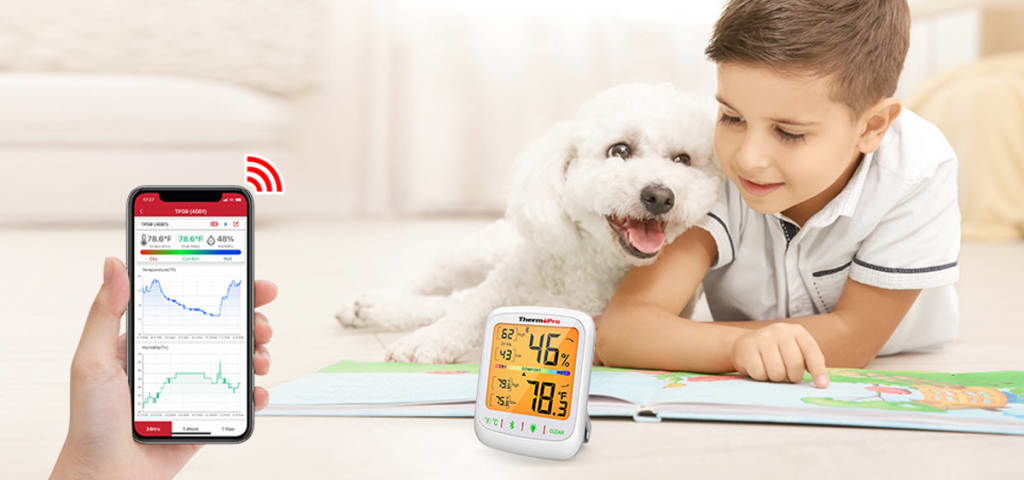
As pet parents, you must want your furry companions to be healthy, happy, and comfortable. But while you're often focused on food, play, and vet visits, one important factor is often overlooked — indoor humidity and temperature.
Whether you have a playful puppy or a sleepy senior cat, the indoor environment can have a direct impact on their health. And just like humans, pets can suffer from discomfort, illness, and even behavioral changes if the air is too dry or too humid. That's where a hygrometer becomes an essential tool for pet care.
In this article, we'll explore how humidity affects dogs and cats, why you should monitor indoor climate, and how to create the ideal environment for your four-legged family members — including a recommendation for the ThermoPro TP359 Bluetooth Indoor Hygrometer Thermometer.
Why Humidity and Temperature Matter for Pets
Dogs and Humidity
Dogs regulate their body temperature primarily through panting. If the air is too humid, their ability to cool down becomes less effective. This can lead to:
- Overheating or heatstroke, especially in breeds with thick coats or flat faces (like Bulldogs or Pugs)
- Increased respiratory stress
- Lethargy, reduced activity, and excessive drooling
On the other hand, if the air is too dry, dogs may experience:
- Dry skin or itchy patches
- Nosebleeds or cracked paws
- More shedding than usual
Cats and Humidity
Cats are sensitive to changes in their environment, including humidity. Too much humidity can cause:
- Respiratory problems, especially in breeds like Persians
- Mold or mildew exposure, which may trigger allergies
Too little humidity may lead to:
- Dehydration
- Irritated skin or fur that loses shine
- Static electricity shocks, which some cats dislike intensely
The Ideal Indoor Conditions for Pets
Experts recommend maintaining indoor humidity between 40% and 60%, and temperature around 68–75°F (20–24°C) for most dogs and cats. However, this can vary slightly depending on:
- Your pet's breed and coat type
- Age and health conditions
- Whether they stay mostly indoors or go outside regularly
A consistent and comfortable indoor climate helps your pets:
- Sleep better
- Eat regularly
- Maintain healthy skin and fur
- Reduce stress and anxiety
How to Monitor Indoor Humidity — The Easy Way
You don't need to guess whether your home is too damp or too dry. A digital hygrometer thermometer helps you monitor both humidity and temperature in real time.
And when it comes to ease of use, reliability, and smart features, we recommend the ThermoPro TP359 Bluetooth Indoor Hygrometer Thermometer.
Product Spotlight: ThermoPro TP359 Bluetooth Indoor Hygrometer Thermometer
If you're a pet parent serious about indoor air comfort, the ThermoPro TP359 Bluetooth Indoor Hygrometer Thermometer is a small device that makes a big difference.
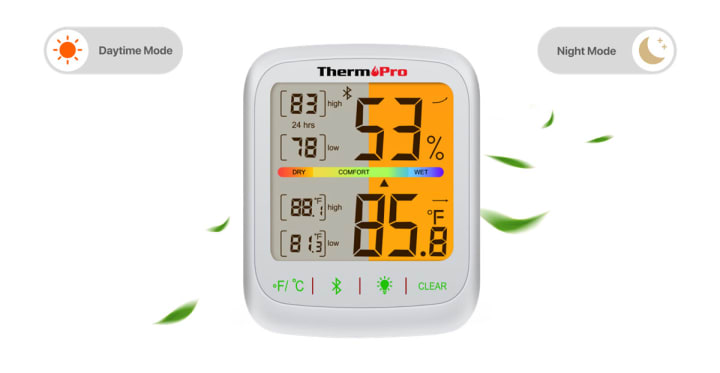
Key Features:
- Real-Time Temperature and Humidity Monitoring: Instantly see your room's temperature and humidity on the clear digital display.
- Bluetooth Connectivity: Connects to your smartphone via the ThermoPro Sensor app (free download), so you can track your indoor environment from up to 260ft away.
- Data Logging and History: The app stores up to one year of data, helping you identify patterns that may affect your pet — like whether your home gets too dry in winter.
- Compact and Stylish Design: Easy to place in any room — living room, bedroom, or even near your pet's bed or crate.
- High Accuracy: With temperature accuracy of ±0.9℉(±0.5℃) from 32 to 140℉(0 to 60℃), otherwise ±1.8℉(±1.0℃) , and humidity accuracy of ±2% form 20% to 80%,otherwise ±3%, it ensures you're working with reliable data.
Tips to Create a Pet-Friendly Indoor Climate
With your ThermoPro TP359 in hand, here are some practical steps to keep your home pet-friendly year-round:
Place the Hygrometer Near Your Pet's Rest Area
Avoid placing it near windows or air vents. You want a true reading of the air your pet actually breathes and sleeps in.
Use a Humidifier in Dry Months
If the humidity drops below 40% (common in winter), a cool mist humidifier can help keep your pet's nose, skin, and airways healthy.
Use a Dehumidifier in Humid Seasons
High humidity (over 60%) can encourage mold and discomfort. Consider using a dehumidifier during summer or rainy seasons.
Monitor Daily and Adjust as Needed
Use the ThermoPro app to get alerts or review trends — especially useful if you're away from home during the day.
Ensure Proper Ventilation
Fresh airflow helps control both humidity and odor — beneficial for you and your pets.
Your Pet Deserves a Comfortable Home
Your dog or cat can't tell you when they're too hot, too cold, or breathing stuffy air — but with the right tools, you can know it before it becomes a problem.
By paying attention to your indoor climate with a digital hygrometer like the ThermoPro TP359, you're not only making your home more comfortable — you're actively caring for your pet's well-being.
Small changes in the air can mean big improvements in your pet's health and happiness.
About the Creator
Keep reading
More stories from Amanda Gan and writers in Petlife and other communities.
Summer BBQ Must-Haves: Gear Up for the Perfect Grill Season
There's something magical about summer—long sunny afternoons, the smell of food sizzling over hot coals, and the laughter of friends and family gathered in the backyard. Few things say "summer" quite like a great BBQ. But let's be honest: even the best pitmaster needs the right tools to make every cookout memorable.
By Amanda Gan8 months ago in Lifehack



Comments
There are no comments for this story
Be the first to respond and start the conversation.