
Pet Metabolic Support: A Complete Guide to Boosting Your Pet's Health
Read this blog to know - Pet Metabolic Support: A Complete Guide to Boosting Your Pet's Health

Does your pet seem tired all the time, gain weight easily, or have dull fur? These could be signs of metabolic issues that need attention. Just like humans, pets rely on a healthy metabolism to maintain energy, manage weight, and support their overall wellness. But what if their metabolism is off balance?
This guide will walk you through everything you need to know about pet metabolic support, from spotting symptoms to choosing the right supplements and diets to keep your furry friend thriving.
Understanding Pet Metabolism
What is Metabolism?
Metabolism refers to all the chemical processes that take place in your pet’s body to maintain life—especially how food is converted into energy. It impacts weight, energy levels, digestion, and immune function.
How Metabolism Affects Your Pet’s Overall Health
A healthy metabolism helps pets stay energetic, burn calories efficiently, and absorb nutrients. On the flip side, a sluggish metabolism can lead to obesity, fatigue, and other health issues.
Differences in Metabolism Among Dogs, Cats & Other Pets
Each species—and even breed—has its own metabolic rate. For instance, smaller dogs usually have faster metabolisms than larger breeds. Cats, on the other hand, are more prone to conditions like hepatic lipidosis when their metabolism is disrupted.
Causes of Metabolic Imbalances in Pets
Genetics and Breed Predisposition
Some pets are just genetically wired for slower or faster metabolisms. Breeds like Labradors and Dachshunds often struggle with weight due to slower metabolic rates.
Poor Diet and Nutrition
Feeding your pet high-carb, low-protein commercial food can drastically affect their metabolism over time.
Lack of Exercise
A sedentary lifestyle slows down metabolism and makes pets more prone to obesity-related disorders.
Underlying Medical Conditions
Conditions like hypothyroidism, Cushing’s disease, or diabetes can throw your pet’s metabolism out of whack.
Signs Your Pet Needs Metabolic Support
Sudden Weight Gain or Loss
Unexplained changes in weight could be your pet's way of saying something's wrong internally.
Low Energy and Lethargy
Is your normally energetic pup sleeping all day? Could be a metabolic issue.
Skin and Coat Changes
Dry skin or a dull coat often point to poor nutrient absorption tied to metabolism.
Digestive Issues
Frequent diarrhea, constipation, or bloating? Yup, it could all be related.
Benefits of Metabolic Support
Boosted Energy Levels
Supporting metabolism gives your pet more get-up-and-go.
Improved Weight Management
Metabolic-friendly diets help pets shed excess pounds or maintain healthy weight.
Better Digestion and Nutrient Absorption
Your pet will absorb more from their meals—more energy, fewer tummy troubles.
Enhanced Immune System
A healthy metabolism helps fuel a strong immune response.
Nutritional Approaches to Metabolic Support
Choosing the Right Food
Food is medicine—especially when it comes to metabolism.
High Protein, Low Carb Diets
These mimic what wild dogs and cats eat and help regulate blood sugar and metabolism.
Prescription Metabolic Diets
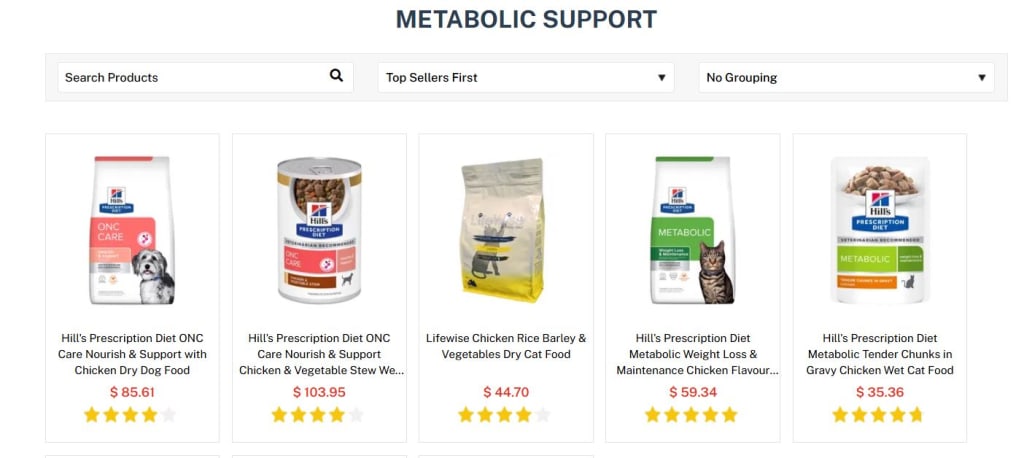
Special vet-recommended formulas like Hill’s Metabolic or Royal Canin Satiety are tailored to metabolic health.
Key Nutrients for Metabolism
Look for:
L-carnitine – helps burn fat for energy.
Omega-3s – reduce inflammation.
Fiber – helps keep digestion running smoothly.
Supplements for Metabolic Health
Top-Rated Supplements for Dogs and Cats
Zesty Paws Weight Control Bites
Nutramax Denamarin (for liver + metabolism)
Vetriscience GlycoFlex (metabolic + joint support)
How to Administer Supplements Safely
Always follow vet guidance—some supplements can interact with medications or conditions.
Natural Alternatives and Holistic Options
Herbs like turmeric, dandelion root, and milk thistle can support liver detox and metabolism naturally.
Exercise and Lifestyle Changes
Importance of Regular Activity
Just 30 minutes of daily play or walks can rev up your pet’s metabolism.
Mental Stimulation and Stress Management
Puzzle toys, training games, and bonding time reduce stress—which can improve metabolic function.
Weight Control Routines for Overweight Pets
Controlled feeding, light treats, and consistent movement are key.
Veterinary Support and Diagnosis
When to See a Vet
If you notice symptoms like rapid weight change or lethargy, book an exam.
Tests for Metabolic Issues
Your vet may run:
Thyroid panels
Glucose tolerance tests
Liver function tests
Treatment Plans and Follow-Ups
Your vet might recommend dietary changes, medications, or hormone therapy depending on diagnosis.
Conclusion
Your pet's metabolism is the engine that powers their entire body. When that engine starts to sputter, it shows up in their energy, weight, coat, and mood. Thankfully, with the right combination of diet, supplements, lifestyle, and veterinary care, you can support your pet’s metabolic health and give them a vibrant, energetic life.
Always remember: a healthier metabolism equals a happier, longer life for your furry friend!
FAQs
1. What is the best food for a pet with a slow metabolism?
Look for high-protein, low-carb foods—preferably vet-prescribed metabolic diets.
2. Can I reverse my pet’s metabolic problems naturally?
In some cases, yes—especially with proper diet, exercise, and natural supplements. But always consult your vet first.
3. How long does it take to see results from metabolic support?
Changes can take a few weeks to a couple of months depending on severity and consistency.
4. Are metabolic supplements safe for long-term use?
Most are, but always check labels and consult your vet to avoid over-supplementation.
5. Do small breeds have faster metabolism than large breeds?
Yes, small breeds usually burn calories quicker, which affects how often and what they should eat.
About the Creator
Thomas Muller
VetSupply is a leading online pet store in Australia with a comprehensive range of products that cater to all your pet care needs.
Keep reading
More stories from Thomas Muller and writers in Petlife and other communities.
How to Use Dog & Cat Liver Supplements?
Your pet’s liver is a hardworking organ — it detoxifies their body, helps with digestion, stores nutrients, and even supports the immune system. So, when liver health is compromised, it can affect your dog or cat in big ways. That’s why liver supplements are becoming a must-have in many pet parents’ health routines. Check Dog & Cat Liver Supplements!
By Thomas Muller8 months ago in Petlife
Wisteria Woo RIP
Wisteria Woo Silver~Rhodesian Ridgeback Cane Corso mix~ 7.19.15-3.2.26 My service dog, Wisteria, had been slowing down, having mysterious health symptoms like severe hives and unexplained injury. She went to the vet last month, but unfortunately, not all tests detect all problems. When we returned to the vet yesterday, upon much more concerning symptoms suddenly appearing, we learned she had a very large mass (10inx10in) likely the very aggressive hemangiosarcoma, and that we would only be buying a few months if we went through with treatment.
By K.B. Silver 2 days ago in Petlife




Comments
There are no comments for this story
Be the first to respond and start the conversation.