
Pet Care: A Complete Guide to Keeping Your Furry Friends Happy and Healthy
Essential Tips for Keeping Your Pet Healthy and Happy

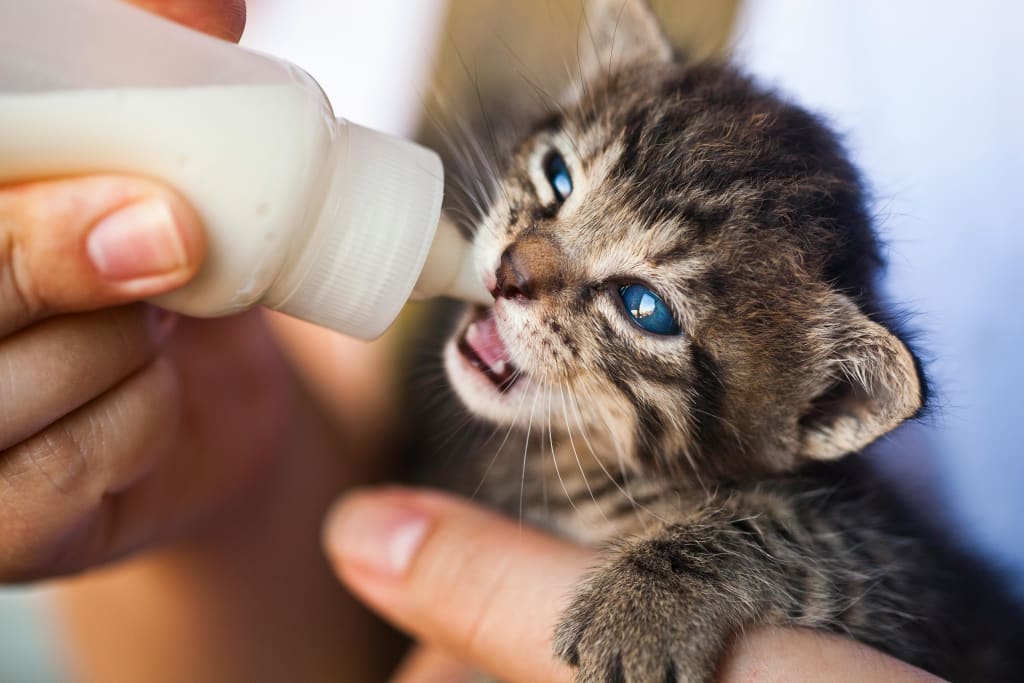
Pets bring joy, companionship, and unconditional love into our lives. Whether you have a dog, cat, bird, rabbit, or any other animal, caring for them properly is essential to ensure they live a healthy and happy life. Pet care goes beyond just feeding and watering; it involves understanding their needs, providing regular health checkups, training, and creating a safe environment. This article covers the essential aspects of pet care to help you become a responsible and loving pet owner.
Understanding Your Pet’s Needs
Every type of pet has unique needs based on its species, breed, age, and personality. Before bringing a pet into your home, it is important to research and understand what kind of care it requires. For example, dogs need daily exercise, social interaction, and mental stimulation, while cats require a clean litter box and places to climb and scratch. Birds need space to fly and toys to prevent boredom.
Knowing your pet’s needs helps you provide the right environment and care. Make sure you have enough time, space, and resources to meet these needs. Pets depend on you for their well-being, so it’s a big responsibility.
Providing Proper Nutrition
Feeding your pet a balanced and nutritious diet is fundamental to their health. Different pets have different dietary requirements. Dogs and cats need specially formulated pet food that provides essential nutrients, while some pets like rabbits and guinea pigs thrive on fresh vegetables and hay.
Avoid giving your pets human food that can be harmful to them. Foods like chocolate, onions, grapes, and certain artificial sweeteners can be toxic. Consult your veterinarian about the best food choices and feeding schedules for your pet.
Regular Exercise and Mental Stimulation
Exercise is important for maintaining your pet’s physical health and preventing obesity. Dogs, for example, require daily walks and playtime. Active breeds may need more exercise than smaller or less active ones. Cats enjoy interactive play with toys and climbing structures to keep them agile and entertained.
Mental stimulation is equally important. Puzzle toys, training sessions, and new experiences keep your pet’s mind sharp and reduce boredom-related behaviors such as chewing furniture or excessive barking.
Grooming and Hygiene
Regular grooming keeps your pet clean and comfortable. Dogs and cats may need brushing to remove loose fur and prevent mats. Some breeds require professional grooming every few weeks. Bathing should be done with pet-friendly shampoos to avoid skin irritation.
Dental care is often overlooked but very important. Brushing your pet’s teeth or providing dental treats helps prevent gum disease and bad breath. Regularly check their ears, eyes, and nails for signs of infection or discomfort.
Creating a Safe and Comfortable Environment
Your home should be a safe haven for your pet. Remove hazards like toxic plants, sharp objects, and small items that could be swallowed. Provide a comfortable bed, fresh water, and a quiet place to rest.
If you have a yard, ensure it is securely fenced. Supervise your pet when outside to protect them from dangers such as traffic, predators, or poisonous plants.
Regular Veterinary Care
Routine veterinary visits are crucial to maintaining your pet’s health. Vaccinations protect them from serious diseases. Regular checkups allow your vet to spot potential health issues early.
Spaying or neutering your pet prevents unwanted litters and reduces the risk of some diseases. Discuss parasite prevention with your veterinarian, including flea, tick, and worm treatments.
Training and Socialization
Training helps your pet understand boundaries and behave appropriately. Basic commands like sit, stay, and come are essential for safety. Positive reinforcement techniques, such as treats and praise, work best.
Socializing your pet from an early age helps them interact well with other animals and people. This reduces fear and aggression, making life more enjoyable for both of you.
Understanding Your Pet’s Behavior
Pets communicate through body language and sounds. Learning to read their signals helps you respond to their needs. For example, a wagging tail usually means happiness in dogs, while a cat’s purring shows contentment.
Recognizing signs of stress, anxiety, or illness, such as hiding, excessive scratching, or loss of appetite, allows you to take timely action.
Traveling with Your Pet
If you plan to travel with your pet, prepare in advance. Use a secure carrier or leash. Bring food, water, and familiar toys to keep them comfortable.
Check the rules for traveling with pets if you are flying or staying in hotels. Always prioritize your pet’s safety and well-being.
Conclusion
Caring for a pet is a rewarding experience that requires dedication, patience, and love. By understanding your pet’s needs, providing proper nutrition, exercise, grooming, and medical care, you ensure they live a long, happy, and healthy life. Remember, pets are members of your family and depend on you for their care. The effort you put into pet care will be returned many times over with loyalty, affection, and companionship.
About the Creator
JAWAD HUSSAIN
Hi, I’m jawad hussain a writer sharing stories, ideas, and personal thoughts on life, creativity, and growth. I write to inspire, inform, and connect. Thanks for reading and supporting my journey here on Vocal !
Keep reading
More stories from JAWAD HUSSAIN and writers in Petlife and other communities.
Understanding Pet Behavior and Providing the Best Care
write by : jawad Pets are more than just animals living in our homes—they are companions, family members, and sources of joy and comfort. Understanding pet behavior and knowing how to care for them properly is essential to fostering a happy and healthy relationship. Whether you have a dog, cat, bird, rabbit, or another type of pet, learning about their natural instincts, communication styles, and physical needs can improve their quality of life and deepen your bond.
By JAWAD HUSSAIN7 months ago in Petlife
THE CREW
Walking you out of the shelter, leash in hand, felt like stepping back into the light. You walked beside me with an innate grace, your strong frame a comforting presence. The world outside, so recently a muted landscape of sorrow, suddenly held a promise of shared adventures. The happiness in your eyes wasn't just for me; it was a reflection of the joy you were ready to bring into my life, a silent vow to fill the void, not by replacing Keva, but by forging a new path, a new story, together.
By Vera Myles5 days ago in Petlife
Understanding the Causes, Symptoms, and Treatment Options for Colitis in Dogs
Colitis in dogs is a common gastrointestinal condition that affects the large intestine (colon). When the colon becomes inflamed, it can lead to uncomfortable and sometimes alarming symptoms for your pet.
By Dominion Valley Animal Hospital2 days ago in Petlife




Comments
There are no comments for this story
Be the first to respond and start the conversation.