
Microchipping Your Pet: Understanding the Pros and Cons to Make the Right Decision
This is where pet microchipping comes to assist you in finding your pet effortlessly.
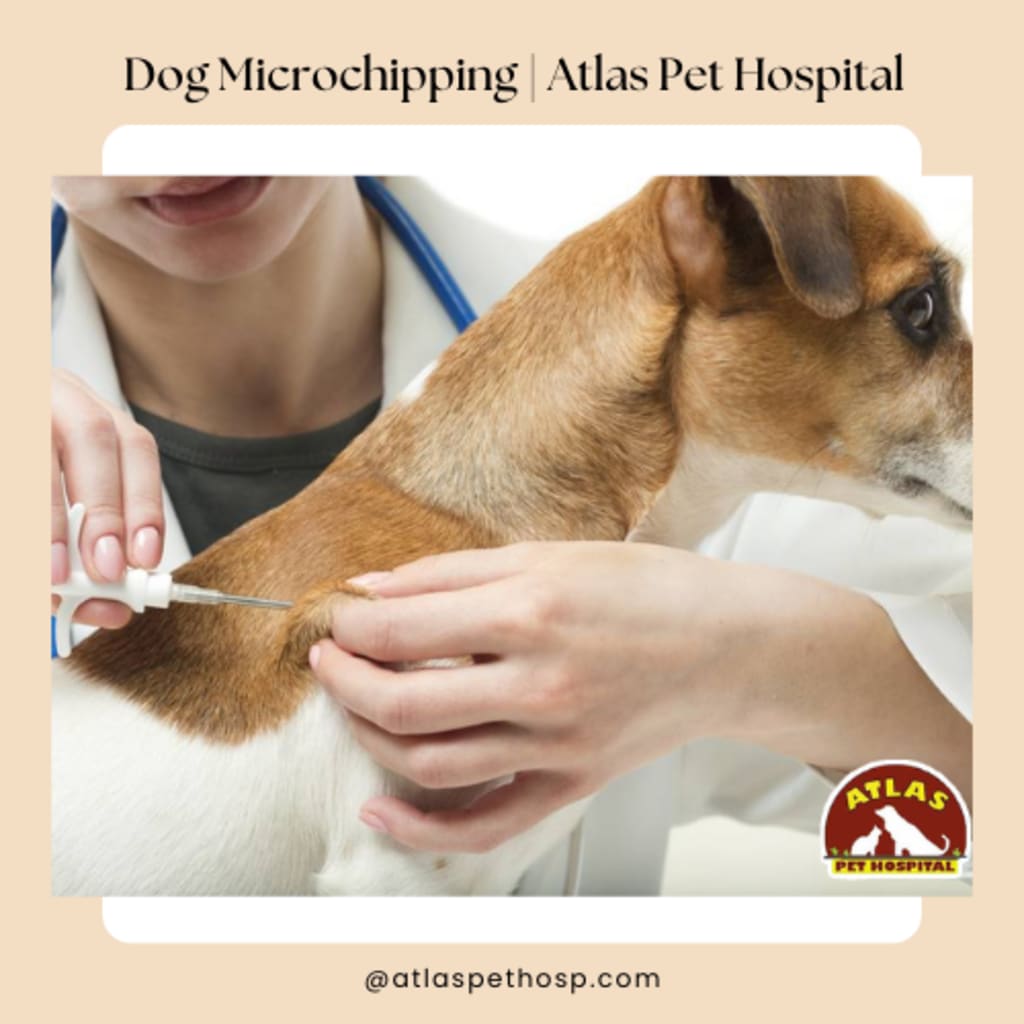
Do you also hold your breath when you don't find your pet? Did you know that 1 in 5 pet owners complain that their pet goes missing several times a week? This is where pet microchipping comes to assist you in finding your pet effortlessly. Pet microchipping has recently proven an effective way of identification.
However, like any other tool, it has its strengths and weaknesses. As a pet owner, you always want the best for your pet, especially when they get lost from home or in case they decide to roam around. Microchips provide a more permanent and unalterable form of identification compared to collars and tags. However, do you think that it's the right decision for your pet?
In this article, we'll explore the concept of pet microchipping and attempt to analyze the pros against the cons.
Top Benefits of Microchipping Your Pet: Why You Should Consider It
The following are the reasons why inserting a GPS microchip for dogs is advantageous, making it a suitable procedure for pet owners.
Permanent Identification That Can't Be Removed or Lost
Microchips have an advantage over collars and tags because they cannot be removed or taken off like collars and tags. It is a tiny chip, which is as small as a grain of rice, that is inserted beneath the skin of the pet.
After implantation, it stays with the pet for life and is an effective method of identifying your pet in case they gets lost. This is very advantageous because, with microchipping, you do not have to be worried that your pet's identification will get lost together with the collar.
Ease of Reuniting Lost Pets with Their Owners
Mainly, pet owners get their pets microchipped to increase the likelihood of getting the pet back in case it gets lost. When a pet is recovered, most veterinarians or animal shelters can read the chip and obtain the owner's details in a national repository. This significantly raises the likelihood of a reunion, possibly in the expression of happiness.
Microchipping Can Help Resolve Ownership Disputes
In such situations as disputes arise that ownership of a particular pet belongs to whom, the microchip for dogs comes in handy as lawful evidence. This may be particularly helpful if a pet is kidnapped or the pet owner sells the pet to another person several times.
Since the microchip is associated with an identification number, this number can be registered in a national database. With a registered microchip, there is little controversy when establishing ownership of a lost pet.
Minimal Maintenance Required
Another advantage of pet microchips is that once this is done on a particular pet, there isn't much that can be done in terms of maintenance. In comparison to collars or tags, where they may get lost, torn, or worn out and therefore need replacement from time to time.
A microchip does not need maintenance at all. The only thing you have to ensure is that your contact details are updated in the microchip database. This is very important because if the information is old, you will not be able to find your lost pet.
Are There Any Risks Associated with Microchipping?
Despite the appeal of microchipping in dogs, it is crucial to know some of the dangers, even though they are a rarity.
Here are some concerns associated with microchipping pets:
- Adverse Reactions: In some of the rare complications that may occur during the implantation of the microchip, the pet may develop an allergy to the chip. This can be inflammation or infection in the area where the implant was made, though such occurrences are rare. Most pets do not even take time to struggle through the whole procedure process.
- Migration of Microchips: Another long shot is the migration of the pet microchipping from the initial place where the chip was implanted. In time, the chip may slide underneath the skin's surface, making the scanning process complicated.
However, this does not normally pose any problem because most regular scanners have a wide field, which enables them to capture the chip even when it has shifted.
- Health Concerns: Some pet owners may have concerns about health issues that could arise from implanting a foreign object under a pet's skin. However, research indicates that the microchipping process itself is safe. There are no known dangers associated with the implantation process.
How Effective Are Microchips in Locating Lost Pets?
It is also recommended because it increases the possibility of reunification between a lost pet and its owner through the microchipping method.
Here are some statistics that highlight its success:
- Dogs: One study revealed that dogs with built-in microchips are 2.5 times more reclaimed by their owners than those without such chips. This is especially the case with dogs that have been impounded or reclaimed from the shelters, among other places.
- Cats: For cats, the success is even higher. Pets with chips are 20 times more likely to be reunited with their owners than those that do not. Pet microchipping makes the tracking process easier.
Alternatives to Microchipping: Are Collars and Tags Enough for Pet Identification?
Although microchipping processes provide a lifetime solution, many pet owners use conventional collars and tags.
Here's how they compare:
- Pros of Collars and Tags:
Collars and tags help identify pets. This is different from the identification process with a registered microchip. In our estimation, this works better than the usual microchipped pet because anyone who finds your pet can read the message given on the tag and communicate with you personally. It is easy to replace them, and they can be adapted by changing the information on them.
- Cons of Collars and Tags:
However, collars and tags are not very safe methods because pet owners can remove collars or tags of their own will or accidentally lose them. So they can wear out, they can fade over time, the text can become illegible, or they can just fall off. Contrary to the mechanism of implantation of microchips beneath the skin, collars and tags do not guarantee success.
Therefore, using both methods is the most effective security for your pet.
Make the Best Choice for Your Pet's Safety
Regarding your pet's safety, pet microchipping is one of the best and most reliable options. It offers a method of identifying pets permanently, has a high chance of finding lost pets, and does not need to be maintained repeatedly.
If you require microchipping for your pet, consider visiting Atlas Pet Hospital. They offer the most efficient GPS microchips for dogs.
About the Creator
Atlas Pet Hospital
Welcome to our veterinary practice serving Norco and the nearby communities. At our clinic, you'll find trusted and licensed CA veterinarians Website- https://atlaspethosp.com/
Keep reading
More stories from Atlas Pet Hospital and writers in Petlife and other communities.
A Manual for Locating the Best Pet Vaccination Clinic in Your Neighborhood
Ensuring your pet's health starts with looking for a credible pet vaccination clinic. Given so many choices, it might take a lot of work to pick the right one. This extensive guide aims to simplify your search by offering insightful analysis of what sets a top-notch pet immunization clinic apart. From knowing the value of vaccinations to important factors while selecting a pet care facility and wellness center, we will guide you in making a wise decision so your pet gets the best possible treatment.
By Atlas Pet Hospital2 years ago in Serve
Helping Your Elderly Cat Who's Going Blind
When Your Cat Loses Its Sight It can be heartbreaking to watch your beloved kitty go blind. When my cat started to go blind, it was really hard to watch her bump into walls, not to mention the constant loud meowing, which made her sound like she was in excruciating pain. She wasn't. However, she was very confused and scared.
By Janis Masyk-Jackson6 days ago in Petlife
Netherland Dwarf Rabbit: Lifespan, Care, Diet, Characteristics, & Facts
As everyone knows Netherland Dwarf rabbit is mid the most popular pet rabbit breeds because of its small body and active nature. Their activity and charming nature make them a pet that provides good friendship to many people.
By Rabbits Advisor5 days ago in Petlife
A Transparent Look at Vocal Challenges and Top Stories
Almost three years ago, we shared a resource article that served as a place for people to suggest new challenge prompts. We thought it would be a good idea to refresh that thread, and take the opportunity to answer a few common questions about top stories, how challenges are judged and how submissions are reviewed.
By Vocal Curation Team3 days ago in Resources


Comments
There are no comments for this story
Be the first to respond and start the conversation.