
Mastering the Art of Taming a Parrot A Guide for Beginners
Essential Tips and Techniques for Building Trust and Bonding with Your Feathered Friend

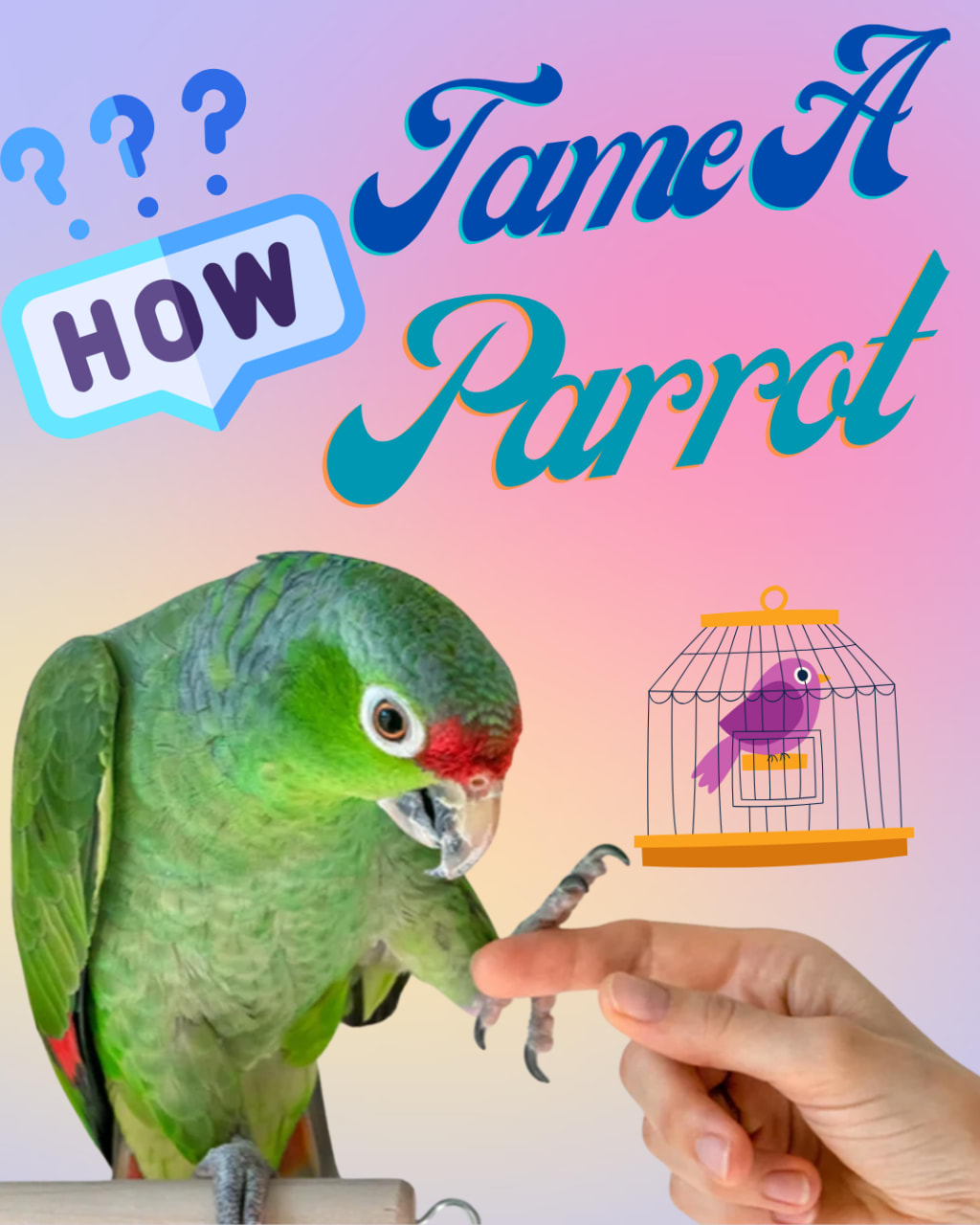
Mastering the Art of Taming a Parrot is the perfect starting point for anyone looking to build a strong relationship with their parrot. This guide provides step-by-step instructions on how to tame your parrot through patience, trust, and positive reinforcement. Learn how to create a safe environment, understand your bird's body language , and use gentle training techniques to encourage good behavior. With consistent effort and love, you’ll discover how to form a lasting bond with your feathered friend. Start your journey today and become an expert in parrot taming!
Taming a parrot is an exciting and rewarding journey. Parrots are highly intelligent and social creatures, so with patience and care, they can form deep connections with their human companions. Whether you’ve just brought a new parrot home or are trying to bond with an existing one, here’s a comprehensive guide on how to tame a parrot and build a trusting relationship.
1. Create a Comfortable Home for Your Parrot
The first step to taming your parrot is to create a welcoming and safe environment for it. Parrots need a space where they feel secure, and it’s essential to respect their natural instincts. Start by placing their cage in a quiet, low-traffic area, but close enough to family members to foster social interaction. This will help your parrot feel like part of the family while still having a private retreat.
Ensure your parrot has plenty of toys and perches to keep it engaged and entertained. The right environment will allow your parrot to feel safe, which is essential for trust-building. Avoid loud noises or sudden movements around the cage that could cause stress.
2. Establish a Routine
Parrots are creatures of habit and thrive on routine. By creating a predictable schedule, you can help your parrot feel secure and reduce anxiety. Establish consistent feeding times, playtimes, and cage cleaning schedules. This will help your parrot feel more comfortable in its new environment and start to associate you with care and security.
Be patient with your parrot during this stage. It might take a while for them to adjust to their new home. Don’t rush the process — let your parrot get used to the routine and your presence at its own pace.
3. Building Trust: The Key to Taming
Trust is the foundation of any healthy relationship, and it’s no different with parrots. Taming a parrot requires patience and understanding. Begin by spending time near your parrot’s cage without trying to touch it. Talk to your parrot in a calm and soothing voice, letting it get used to the sound of your voice. Parrots are sensitive to tone, so a gentle, positive tone will help them feel at ease.
Avoid sudden movements that might startle your parrot. Instead, move slowly and gently around it. At first, try to avoid making direct eye contact, as this can be perceived as threatening. Over time, your parrot will become more comfortable with you being around. Gradually, your parrot will start to trust you and may even begin to interact with you voluntarily.
4. Offering Treats as Rewards
One of the best ways to tame a parrot is through positive reinforcement. Offering treats is a great way to encourage desired behaviors and help your parrot associate you with good things. Whether it’s a favorite nut or a piece of fresh fruit, giving your parrot a treat when it behaves well helps reinforce positive interactions.
However, don’t overdo it. Too many treats can lead to obesity or spoil the bond you’re building. Instead, use treats as a reward for progress, such as when your parrot starts to approach you or step onto your finger. 🦷 Treats can serve as a strong motivator for your parrot and will gradually help it connect with you on a deeper level.
5. Start Hand Taming Slowly
Once your parrot is comfortable with your presence and you’ve established some trust, you can begin the hand-taming process. Start by offering your finger or a perch in a non-threatening manner. Hold your hand out gently and let your parrot approach at its own pace. Never force the parrot to step onto your hand, as this could damage the trust you’ve worked so hard to build.
When your parrot is comfortable stepping onto your finger, reward it with a treat and praise. Gradually, you can begin to train your parrot to step up when asked, which is an essential skill for hand-taming. Be patient — some parrots may take longer than others to trust hands, so it’s important to stay calm and consistent in your efforts.
6. Interactive Playtime and Bonding
Parrots are highly social animals, so engaging in playtime and regular interaction is crucial for bonding. Spend time talking, singing, or playing games with your parrot. It can be as simple as playing with toys like bells, ropes, or mirrors, which stimulate your parrot's mind.
The key is to keep things fun and interactive while remaining calm. Parrots love attention and stimulation, so offering plenty of one-on-one time can help them feel more connected to you. If your parrot enjoys socializing, it will begin to look forward to your sessions together. Over time, this bonding will enhance your relationship and help to tame your parrot.
7. Be Consistent and Patient
Taming a parrot takes time, and consistency is critical throughout the process. It’s important to continue using positive reinforcement and maintain a calm, steady approach with your parrot. Parrots don’t respond well to frustration or harshness, so it’s crucial to remain patient, even when progress seems slow.
Every bird is different, and some may take weeks, months, or even longer to fully bond with you. Trust-building is a gradual process, and rushing it may cause setbacks. Set small, achievable goals, and celebrate every little success along the way.
8. Understanding Your Parrot’s Body Language
A vital part of taming your parrot is learning to read its body language. Parrots communicate a lot through their posture, tail movement, and vocalizations. For example, when a parrot fluffs its feathers, it might be showing contentment, while a stiff stance can indicate fear or aggression.
Understanding these signals will help you respond appropriately and avoid situations that could cause stress for your parrot. By paying attention to how your parrot reacts in different situations, you can adjust your approach and build a stronger connection.
Conclusion: Enjoy the Journey Together
Taming a parrot is a gradual process that requires patience, understanding, and consistency. By creating a safe and comfortable environment, building trust, and interacting regularly with your parrot, you’ll create a strong bond that lasts a lifetime. As you continue to nurture this relationship, you’ll not only gain a companion for life but also enjoy the joy and laughter that comes with having a tame, happy parrot.
Taming a parrot is a rewarding experience that can take time but brings immense joy. Always keep in mind that every parrot is different, and some might take longer than others to become fully tamed. But with the right approach, your parrot will learn to trust you, and your bond will grow stronger each day. Happy taming!
About the Creator
Amelia Kosh
At Parrot Expert, we are more passionate about all stuffs parrots. Whether you’re a seasoned parrots owner, considering adopting a colorful friend, or just curious about these adorable creatures, you’ve come to the right place.
Keep reading
More stories from Amelia Kosh and writers in Petlife and other communities.
What Fruits and Veggies Are Best for a Crimson Rosella's Diet?
What Fruits and Veggies Are Best for a Crimson Rosella's Diet? A balanced diet for a Crimson Rosella should include a variety of fruits and vegetables to ensure they get essential nutrients. Some of the best fruits are apples, grapes, berries, and bananas, which provide vitamins and antioxidants. Vegetables like spinach, kale, carrots, and sweet potatoes offer important vitamins and fiber. These foods support the parrot’s immune system, energy levels, and vibrant feather color, promoting overall health and well-being.
By Amelia Kosh12 months ago in Petlife
Lion vs. Hyenas
The struggle between lions and hyenas is one of the most fascinating rivalries in the African wilderness. These two powerful predators share the same habitats, hunt similar prey, and constantly compete for food and territory. Their conflict is not just about strength but also about strategy, teamwork, and survival. Observing a confrontation between them reveals much about the balance of nature on the African savannah.
By Abubakar2206 days ago in Petlife
HTMA Hair Test: Understanding Hair Tissue Mineral Analysis and the Role of Interpretation
Hair Tissue Mineral Analysis (HTMA) refers to a laboratory method used to evaluate mineral content and patterns through a small hair sample. The analysis is often associated with identifying longer-term trends in mineral balance rather than short-term fluctuations.
By CEO A&S Developers6 days ago in Petlife
A Knight of the Seven Kingdoms Series Review (Season 1)
As one of the biggest properties in fantasy, A Song of Ice and Fire remains immensely popular with audiences. After reaching far into the past with House of the Dragon, a second spin-off was on the cards. A Knight of the Seven Kingdoms serves up a bite-sized slice of action and drama, but it still claims a spot among the best small-screen titles.
By Robert Cain7 days ago in Geeks


Comments
There are no comments for this story
Be the first to respond and start the conversation.