
Litter Training 101: How To Set Your Kitten Up For Success From Day One
Master kitten litter training with this easy guide! Learn about litter box, placement, and positive reinforcement for success from day one, ideal for new kitten parents.

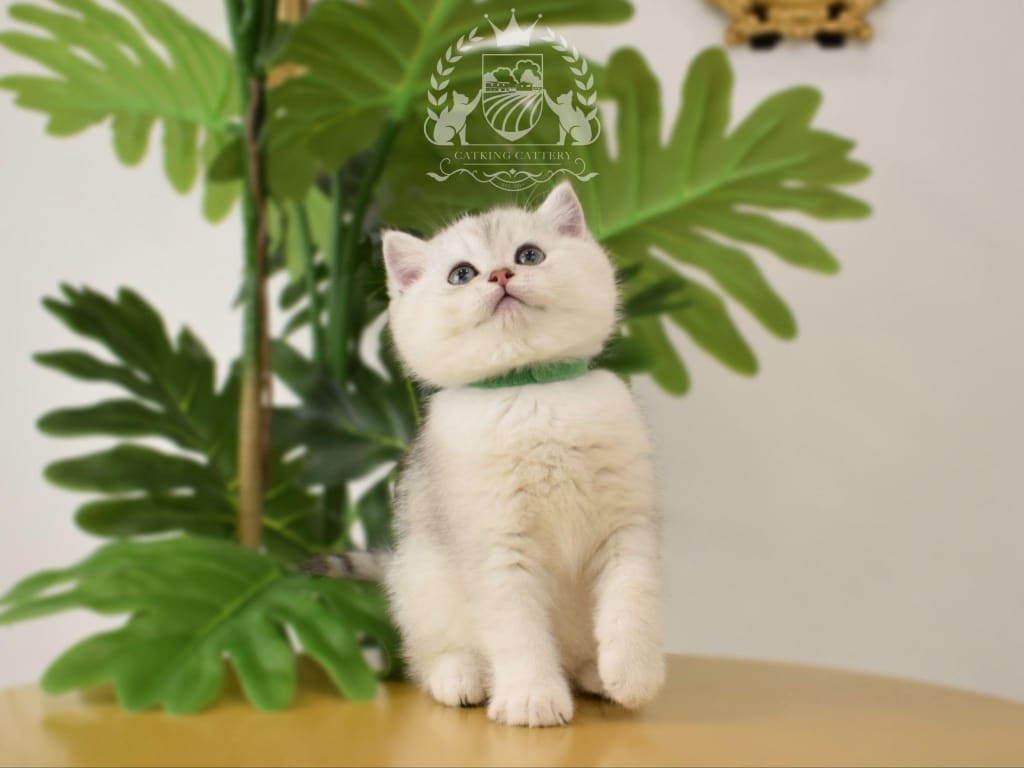
Bringing a new kitten home is a joyous occasion, filled with anticipation of cuddles, playful pounces, and endless purrs. One of the less glamorous, yet fundamentally crucial, aspects of kitten ownership is litter training. While it might seem daunting, the good news is that most kittens are remarkably intuitive when it comes to using a litter box. With the right setup, a little patience, and positive reinforcement, you can set your kitten up for success from day one, ensuring a clean and harmonious household. This guide will walk you through everything you need to know, from choosing the right equipment to fostering good habits.
The Right Tools for the Job: Litter Box and Litter
The foundation of successful litter training begins with selecting the appropriate litter box and litter. Don't underestimate their importance!
- Litter Box Size and Type: For a small kitten, a large, high-sided litter box can be intimidating and difficult to access. Start with a shallow box; even a shallow storage bin can work initially. As your kitten grows, you can gradually transition to a larger box with higher sides for better containment. The general rule of thumb for the number of litter boxes is "one per cat, plus one extra."
- Litter Type: The world of cat litter is vast, but for kittens, simplicity is best. Opt for unscented, clumping clay litter. Scented litters can be off-putting to a kitten's sensitive nose, and non-clumping litters don't allow for easy waste removal, which can lead to a dirty box and deter your kitten from using it. Avoid silica gel or crystal litters for very young kittens, as some might try to eat them. Many kittens from licensed cat breeders in New York will already be accustomed to a specific type of litter, so it’s wise to ask your breeder what they use and start with that.
Strategic Placement: Location, Location, Location
Where you place the litter boxes is almost as important as the boxes themselves.
- Accessibility and Quiet: Place litter boxes in easily accessible, yet quiet and private locations. Avoid high-traffic areas, noisy appliances, or places where your kitten might feel trapped or startled. They need to feel safe and secure when doing their business.
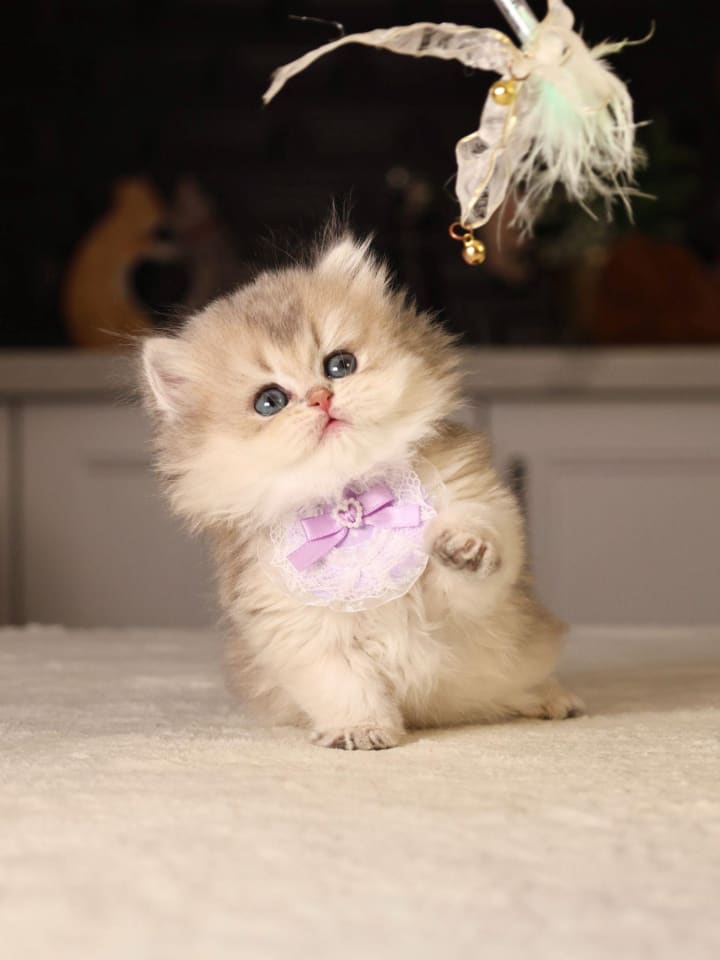
- Multiple Locations: If you live in a multi-story home, place at least one litter box on each floor. For a single-story home, spread them out to ensure your kitten always has a convenient option, especially when they are small and still learning to navigate their new environment. For instance, if you're looking to buy British Shorthair kittens in New York, you should place one litter box near their sleeping area and another in a central but private spot to make access easy and encourage proper litter habits.
- Away from Food and Water: Never place a litter box directly next to your kitten's food and water bowls. Cats are fastidious creatures and will not want to eat or drink near their waste.
Building Positive Associations: Encouragement, Not Punishment
Kittens learn best through positive reinforcement. This means rewarding desired behaviors and avoiding punishment.
- Initial Introduction: As soon as you bring your kitten home, gently place them in the litter box. Let them sniff around and get comfortable. You can gently take one of their paws and mimic a digging motion to show them.
- After Waking and Eating: Kittens typically need to use the litter box after waking up, after eating, and after playing. Anticipate these times and gently place your kitten in the litter box.
- Positive Reinforcement: When your kitten successfully uses the litter box, offer immediate praise ("Good kitty!") or a small, high-value treat. This positive association will encourage them to repeat the behavior.
- Cleanliness is Key: Cats are incredibly clean animals. Scoop the litter box at least once a day, or even twice, to ensure it's always fresh. A dirty litter box is the most common reason for accidents outside the box. Replace all the litter and clean the box thoroughly with mild soap and water weekly or bi-weekly.
- Accidents Happen: If your kitten has an accident outside the litter box, do not punish them. Punishment will only make them fearful and may lead to them hiding their waste in less desirable locations. Instead, calmly clean up the mess using an enzymatic cleaner to eliminate odors. If an area smells like a toilet, your kitten will be more likely to use it again.
The Advantage of a Reputable Breeder
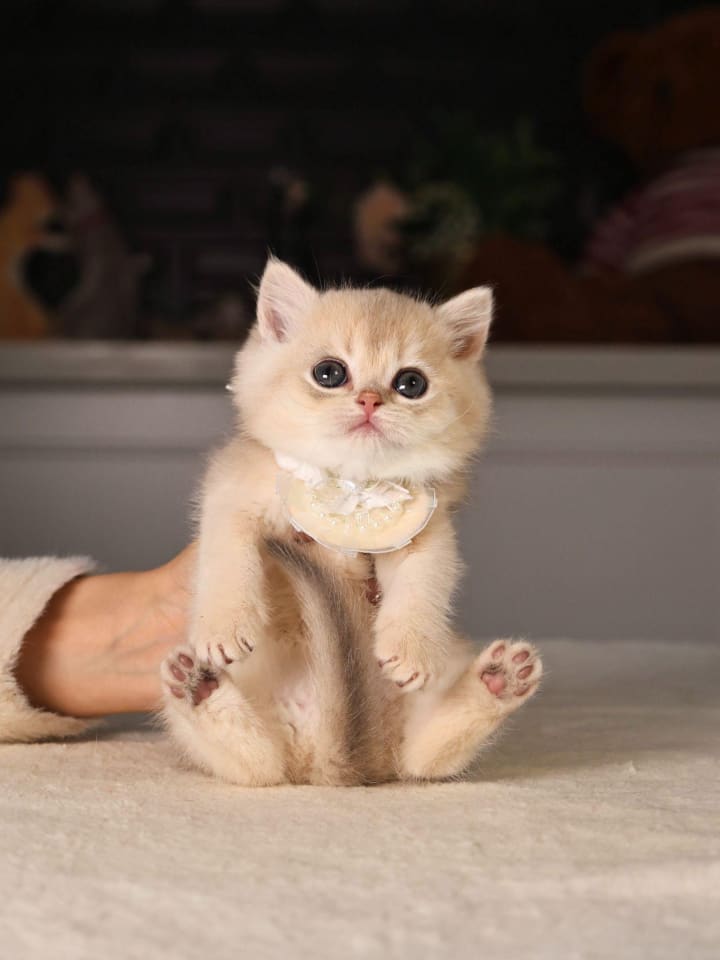
One significant advantage of acquiring a kitten from licensed cat breeders in New York or other reputable sources is that these kittens are often "pre-trained" or have had a head start on litter training. Responsible breeders introduce kittens to litter boxes at a very young age. This early exposure, combined with observing their mother cat using the box, instills a strong instinctual understanding. Kittens from a top cattery are typically better socialized, less stressed by new environments, and therefore adapt more quickly to routines, including litter training. When you buy British Shorthair kittens in New York from a responsible breeder, you're not just getting a healthy kitten, but one that's already on the path to good habits.
Ready to welcome a well-adjusted, litter-trained kitten into your family? CatKing Cattery, a top cat breeder in US, raises its kittens with meticulous care, including early litter training and socialization. They are dedicated to ensuring their kittens transition seamlessly into their new homes. Contact Catking Cattery today to find your purr-fect companion!
About the Creator
Brian Smith
A passionate blogger who loves sharing ideas, stories, & insights on range of topics. I aim to inspire, inform, and engage readers with content that resonates, educates, and sparks conversation. Join me as we will explore new ideas together
Keep reading
More stories from Brian Smith and writers in Petlife and other communities.
Rare And Beautiful: Exploring The Unique Coat Colors Of British Longhair Cats
British Longhair cats are a vision of elegance, their plush, luxurious coats making them one of the most captivating feline breeds. While the classic blue-grey is undeniably iconic, these magnificent felines come in a surprisingly diverse array of colours and patterns. These shades are the result of fascinating genetic combinations that create their exclusive allure.
By Brian Smithabout a year ago in Petlife
Off the Leash: The Essential Gear Guide for Adventurous Dogs
There’s something wildly freeing about unclipping the leash and letting your dog move the way they were built to. If you’re hiking in areas that truly allow off-lead exploration, your gear list shifts. No harness. No leash dragging through dust. Instead, it’s about smart, lightweight essentials that keep your dog safe, hydrated, and easy to manage when adventure gets messy. Long walks off lead are less about control and more about preparation.
By Shabbir Ahmad7 days ago in Petlife
Hottest in the Office
Dear Rafi, You’re very distracting to work around. For the first second I saw you the other day, I thought you were some type of executive. It took a moment to realize no, you were just the new guy, dressed up for the job he wants. Be still, my heart.
By Gabriel Shames6 days ago in Pride




Comments
There are no comments for this story
Be the first to respond and start the conversation.