

Leptospirosis is a serious bacterial infection that affects both domestic and wild animals. It is zoonotic, which means that it can also be transmitted to humans. In fact, one to two hundred humans get Leptospirosis every year. Even worse, this disease can be fatal, so it is important to know everything that you can about the disease.
How is Leptospirosis spread?
Leptospirosis is spread through the urine of affected animals. That being said, it can survive for months in the soil and in water. It can be found in lakes, streams, rivers, and even stagnant water. It is commonly seen in muddy fields with puddles of stagnant water.
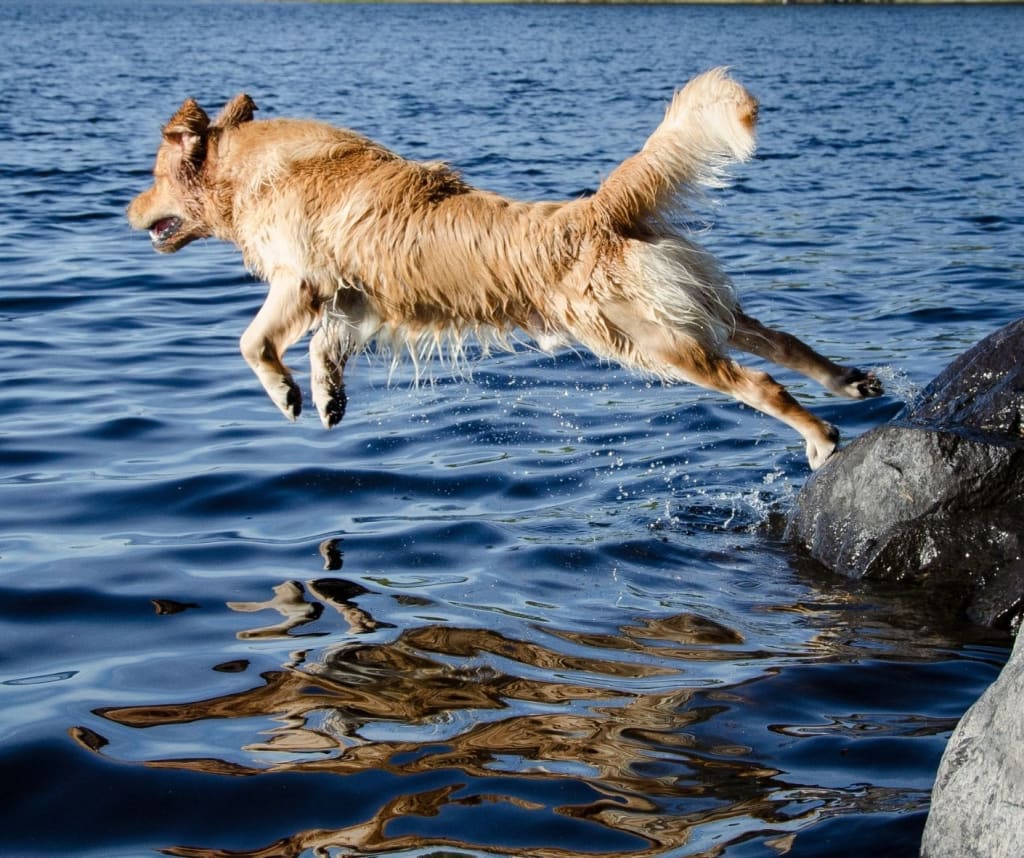
It is typically spread when an opening in the skin or mucous members (eyes, nose, or mouth) comes in contact with the infected urine. This can occur when a dog drinks, swims, or even just steps in water that has been affected.
Leptospirosis can also be seen in kennels, where many dogs are in close contact.
What signs should you be looking for?
The signs of Leptospirosis vary. It can include:
- Fever
- Weight loss
- Vomiting and diarrhea (may or may not have blood in it)
- Dehydration
- Abdominal pain
- Stiffness and weakness
- Coughing
- Trouble breathing
- Dark red-speckled gums (petechiae)
- Jaundice (yellow tinge in eyes and mucous membranes)
- Increased thirst and urination. This is often a sign that the kidneys are infected, so it is often seen in later stages.

If left untreated, it can cause even worse symptoms. These can include:
- Fever
- Jaundice
- Kidney failure
- And even death!
How is it diagnosed?
Your veterinarian will do a thorough examination of your dog, while asking questions about his or her background and anything that he or she has done recently. This may help your veterinarian pinpoint how long your dog has had the disease.
Your veterinarian will also want to do blood work to check to see if the kidneys and liver are affected yet. A complete blood count will be done to see if your dog is anemic. Your veterinarian may do an urinalysis, as well as some other tests to diagnose the disease.
What is the treatment?
If your dog has Leptospirosis, your veterinarian will probably want to hospitalize him or her on fluids to help with dehydration. An antiemetic will be given if he or she is vomiting. For dogs that are bleeding, they may require a blood transfusion.
Your dog will also be started on an antibiotic, depending on the stage of infection. He or she will be on these medications for at least a month, in order to fully treat the infection.
It is important to remember that this disease is contagious, so you will need to use caution when you bring your dog home. You should keep him or her away from other pets and your children. You should use gloves when handling your dog, and especially when dealing with his or her urine.
You are going to want to clean and disinfect any areas where your dog is with bleach. This includes any place that your dog vomited and urinated.
So, how can you prevent Leptospirosis?
In order to prevent his disease, you should vaccinate your dog. Though it is not one hundred percent, it is better than not having any protection. You should also research any kennels that you use. Make sure that they are thoroughly cleaned between patients so that you can safely leave your dog there.

Leptospirosis can be a deadly disease that is spread from wildlife to our dogs, and sometimes even our family. For this reason, you need to vaccinate your dog and use caution if you have a lot of wildlife running through your yard!
About the Creator
Shelley Wenger
Small town country girl in southern Pennsylvania. Raising two boys on a small farm filled with horses, goats, chickens, rabbits, ducks, dogs, and a cat. Certified veterinary technician and writer at Virtually Shelley.
Keep reading
More stories from Shelley Wenger and writers in Petlife and other communities.
Lion vs. Hyenas
The struggle between lions and hyenas is one of the most fascinating rivalries in the African wilderness. These two powerful predators share the same habitats, hunt similar prey, and constantly compete for food and territory. Their conflict is not just about strength but also about strategy, teamwork, and survival. Observing a confrontation between them reveals much about the balance of nature on the African savannah.
By Abubakar2206 days ago in Petlife
HTMA Hair Test: Understanding Hair Tissue Mineral Analysis and the Role of Interpretation
Hair Tissue Mineral Analysis (HTMA) refers to a laboratory method used to evaluate mineral content and patterns through a small hair sample. The analysis is often associated with identifying longer-term trends in mineral balance rather than short-term fluctuations.
By CEO A&S Developers6 days ago in Petlife
Review of 'Man on the Run'
My wife and I saw Man on the Run, a nearly 2-hour documentary on Amazon Prime, about Wings, Paul McCartney's group that flew around the world from shortly after The Beatles broke up in early 1970 to shortly after John Lennon was murdered at the end of 1980, making a Beatles reunion forever impossible.
By Paul Levinson6 days ago in Beat


Comments
There are no comments for this story
Be the first to respond and start the conversation.