
King Cobra
The Silent Monarch Nature Never Warned You About


King Cobra: The Silent Monarch Nature Never Warned You About
Most people think danger announces itself loudly.
In the wild, the most dangerous power often moves in silence.
Hidden beneath the thick canopies of South and Southeast Asia lives a creature so misunderstood that fear has replaced facts—the King Cobra. It doesn’t chase humans. It doesn’t hunt villages. Yet its name alone is enough to freeze people in place. This is not just a snake. It is a ruler shaped by survival, intelligence, and restraint.
And that restraint is what makes it terrifying—and extraordinary.
Not Just the Longest—The Smartest
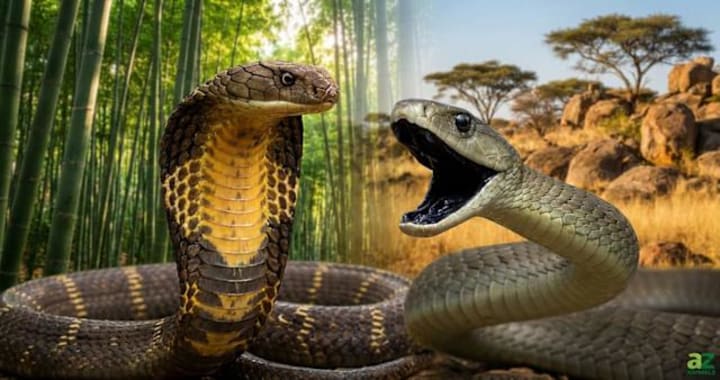
The king cobra is the longest venomous snake on Earth, capable of reaching over 18 feet. But size is not what separates it from every other serpent. Intelligence does.
Wildlife experts have observed king cobras recognizing patterns, adapting to environments, and responding differently to threats depending on the situation. Unlike many snakes that strike on instinct, the king cobra pauses, evaluates, and decides. That pause is power.
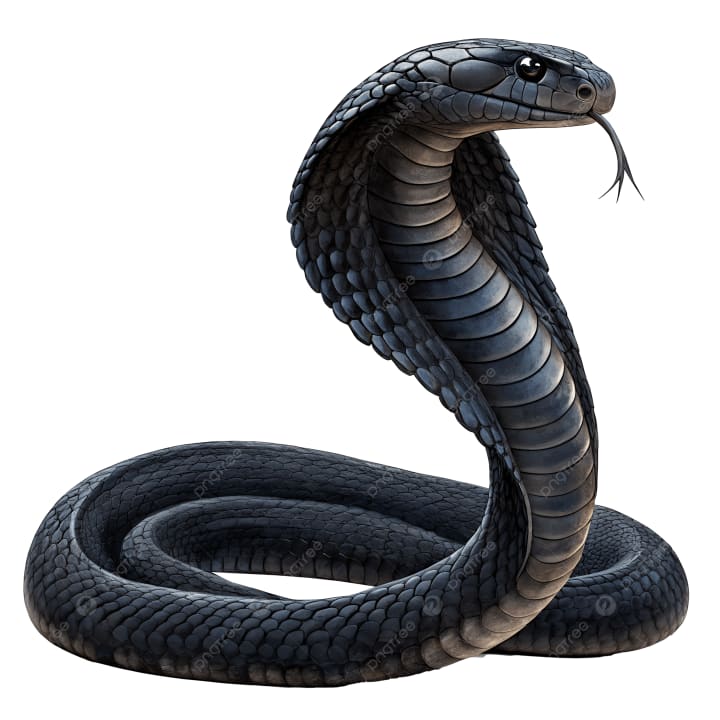
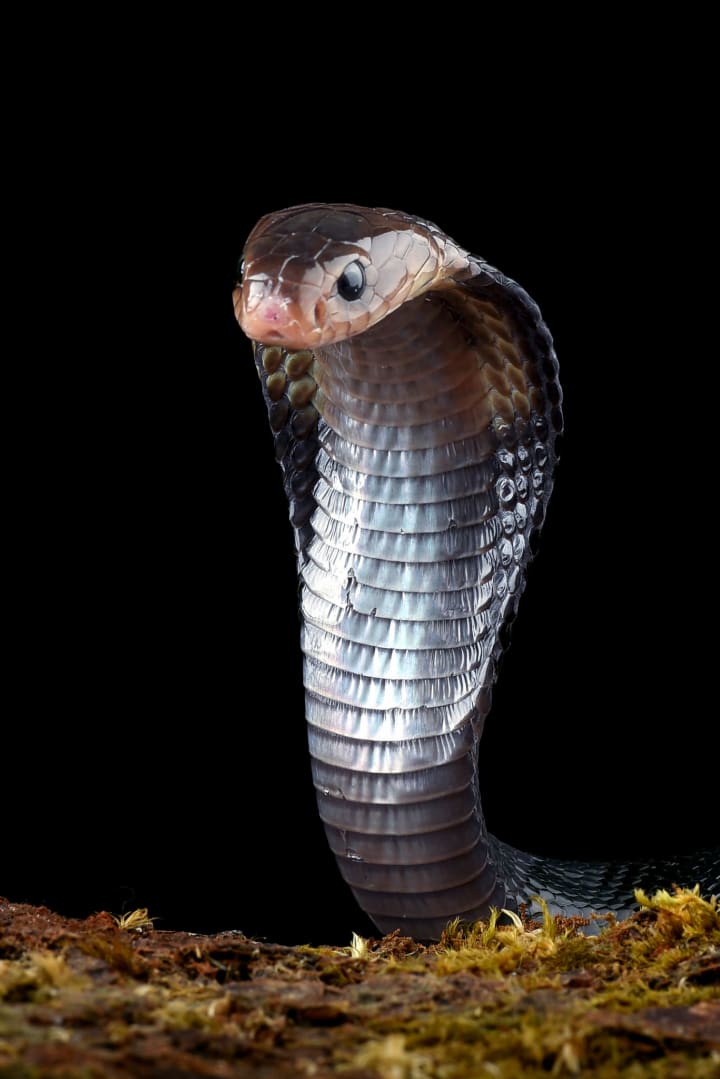
When threatened, it doesn’t immediately attack. It rises high, spreads its hood, and locks eyes. This is not aggression—it’s negotiation. A warning that says: Don’t force what doesn’t need to happen.
Most encounters end right there.
A Predator That Eats Predators
The title “King” isn’t symbolic—it’s literal.
While most snakes hunt rodents or birds, the king cobra hunts other snakes, including venomous rivals. It dominates the food chain not through chaos, but control. By keeping other snake populations in check, it quietly stabilizes entire ecosystems.
This makes the king cobra one of nature’s most effective regulators. Remove it, and imbalance spreads silently—more snakes, more conflict, more danger.
Ironically, killing king cobras often increases the very risks people fear.
Venom Built for Precision, Not Cruelty
Yes, the king cobra’s venom is lethal. It attacks the nervous system and can shut down vital organs within hours. But here’s the part rarely discussed: king cobras control how much venom they inject.
They don’t waste it.
Many bites are “dry”—warnings without venom. Fatal bites usually occur only when the snake feels cornered, attacked, or repeatedly provoked. This isn’t mindless violence. It’s calculated defense.
In the wild, unnecessary force is weakness.
The Only Snake That Builds a Home
One of the most overlooked facts about king cobras is also the most human-like.
They are the only snake species that builds a nest.
The female gathers leaves, branches, and debris into a raised mound for her eggs. She guards it aggressively, sometimes for weeks, until the eggs hatch. This level of parental care is nearly unheard of among reptiles.
It changes how you see them.
Not monsters.
Not mindless killers.
But protectors.
Myths, Fear, and the Cost of Ignorance
Across centuries, the king cobra has been worshipped as a divine guardian and hunted as a demon. Temples honor it. Villages kill it on sight. Fear travels faster than truth.
In modern times, expanding cities and shrinking forests have pushed king cobras closer to human settlements. Most are killed not because they attacked—but because they existed too close.
Every unnecessary killing removes a silent guardian from nature.
And nature remembers.
A King Under Threat
Despite its power, the king cobra is losing ground.
Deforestation, illegal wildlife trade, and human panic have placed it under increasing threat. Conservationists warn that in many regions, sightings are becoming rare. Not because the species is dangerous—but because it’s disappearing.
When apex predators vanish, ecosystems unravel slowly, then suddenly.
By the time people notice, it’s too late.
What the King Cobra Teaches Us
The king cobra doesn’t seek domination.
It seeks balance.
It doesn’t attack without cause.
It defends with intention.
In a world driven by fear, speed, and overreaction, this silent monarch offers a different lesson: power doesn’t need noise, and danger doesn’t always come looking for you.
Sometimes, it simply asks for space.
Final Reflection
The king cobra is not a villain of the jungle. It is a misunderstood ruler—intelligent, restrained, and essential. Fear has turned it into a target, but understanding could turn it into a symbol of coexistence.
If humanity learns to respect what it doesn’t fully understand, the king cobra may continue to rule quietly from the shadows.
If not, the jungle will fall silent in ways we never expected
About the Creator
Keep reading
More stories from S.A Charles and writers in Petlife and other communities.
Cleo's First Puppy Show
"How would you feel about doing the Corsicana show in November?" Kathleen asked me last September. Dog exhibitors speak in shorthand that way. It's easier to say "the Corsicana show" than it is to say the "North East Texas American Eskimo Dog Association Show." And yes, "North East." I guess "Northeast" shortened the name too much for some people's taste . . . But I digress. In response, I asked two of the three important questions that every exhibitor thinks, first thing.
By Kimberly J Egan26 days ago in Petlife
Low-Maintenance Grooming Routines for Active American English Coonhounds
American English Coonhounds are known for their athletic build, boundless energy, and unmistakable baying voice. Originally bred for endurance and hunting, these dogs thrive on activity and adventure.
By Tenafly Veterinary Centre7 days ago in Petlife


Comments
There are no comments for this story
Be the first to respond and start the conversation.