
Is a Great Pyrenees Dog the right dog for your family?
Learn about the Great Pyrenees dog, their personality traits, their good points and challenges for your family.

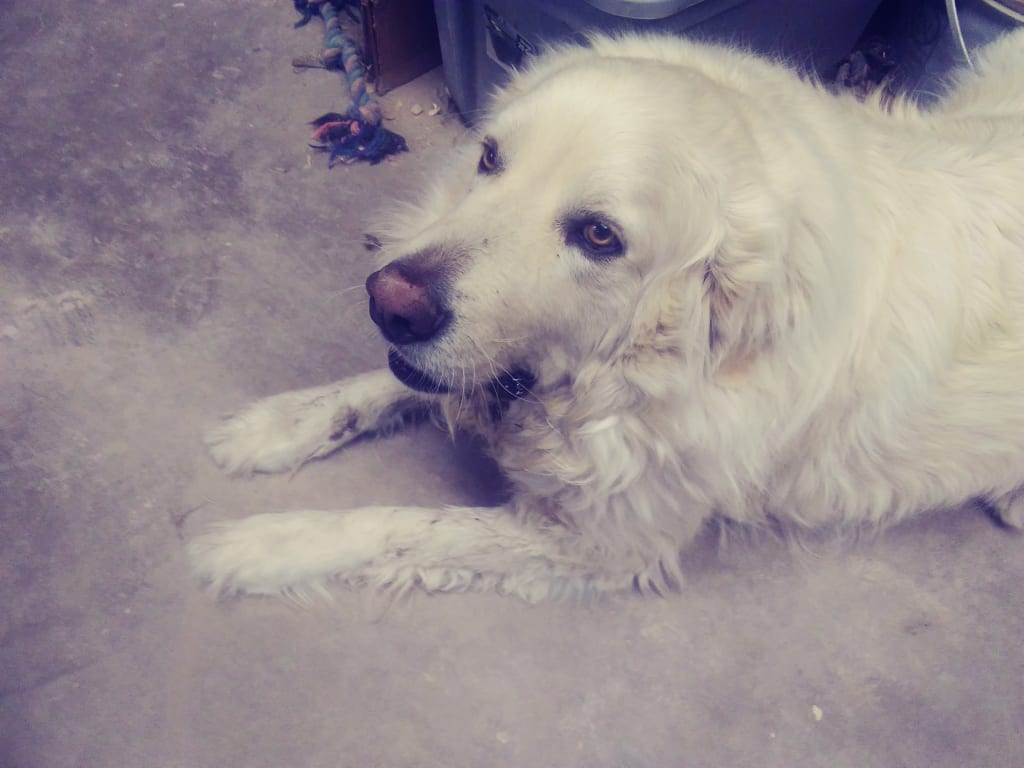
We are the proud owners of a Great Pyrenees dog named Bear but hundreds of these dogs are returned to shelters every year. In Texas right now there are 938 dogs in different shelters. I am a member of two Great Pyrenees owner's groups. Every week, someone posts that they want to rehome their dogs. Often, they get rehomed into situations where they end up then being surrendered to a pound and put down.
Joining a Great Pyrenees group on FB is the first step to learning first-hand what it is like to own these great dogs. It is amazing to me that people buy them without researching the dog breed and what it means to own one. They are a big commitment in every sense of the word. They are difficult to rehome because of their personality, size, and barking. In fact, excessive barking, especially night barking is one of the main reasons people turn them back to shelters. People buy them but can't handle them as they get to be adults.
Please don't buy a Great Pyrenees until you read this article thoroughly explaining their good points and challenging needs. We love our Bear, but he has put us through some real challenges.
Great Pyrenees are livestock guardian dogs.
This breed of dog has been bred over the ages to protect and guard livestock. They do not herd livestock, that is the role of herding dogs like Border Collies or Australian Shepherds. Great Pyrenees are serious, watchful, loyal, protective, loving, and devoted family dogs. They do make excellent companion dogs but are not going to play dog games with you. They love to hang out and be petted. They do not reach full maturity until at least two years old weighing from 100 to 150 pounds. These dogs will give up their life to protect you, your livestock and your children they are raised with. They are couch potatoes as adults who sleep the day away, to then be up all-night guarding and barking to protect your property and livestock. They are nocturnal. This persistent barking, which seems at times to have no rhyme or reason, is to let predators know they are there and to beware. It is in their breeding.
How physically strong are you?
As seniors, Bear was not the best choice looking back because of our age. He can pull me down if he chooses to with his weight and strength. When we began leash training him at 6 months, he would see a deer, and I would end up with a pulled rib. That was not the last one either. I am 140 pounds, and he is 120 pounds of brute strength. He seemed at the time a logical choice, as we were living in Tennessee on a huge piece of fenced property with chickens, ducks, and small livestock with plenty of predators trying to kill them nightly. We were losing the battle with the raccoons and possums, so we bought him as a 4-month puppy to defend our livestock. The reality of his strength did not sink in until leash training, which we started too late. Even as an adult now, who walks well on a leash most of the time, it takes all my strength to contain him when he sees a perceived threat.
Research and reality are different.
We did research the dog breed, but we were still not completely prepared to deal with a dog his size, strength, and independent nature. We were not trained in livestock guardian dogs either. Bear was our first livestock dog. We already had an Australian Shepherd, but she was not trained with livestock either. Aussies are very different dogs in their nature. Having dogs in general does not teach you about handling livestock guardian dogs. They are a whole new learning curve. Spend time with neighbors who own them first. Talk to these experienced owners and take some time to make the decision to own one.
Large puppies can be destructive in a big way.
As puppies up to 18 months, these very large pups can destroy couches, expensive hoses, patio furniture, legs on antique furniture, flower containers, and your expensive shoes. Most owners crate-train their puppies when not being supervised and at night while they are away or sleeping. They play hard and grow quickly. That cute fluffy white puppy gets huge quickly. These huge puppies do not realize their strength or the sharpness of their sharp puppy teeth. They can knock you down or your children just being playful. You need to supervise them around smaller animals like kittens as well.
Drooling is the norm.
Great Pyrenees drool and some of these dogs excessively. When they shake their head, the drool goes flying over about 4 feet. That drool gets on your couches, clothing, and on the walls. If you don't like drool, don't get this kind of dog. Rugs, floors, and your clothes need washing all the time. Some owners report they are stubborn about potty training.
Brushing is a weekly job.
Great Pyrenees need hours of weekly brushing. They shed all year long. If you don't brush them, their coat becomes matted. I have special brushes for his thick coat. Going to a groomer will cost up to and more than $100.00. Most of us groom our own dogs for that reason. It takes special heavy-duty sheers to work on them. Bathing and cutting the nails of an adult Pyrenees can take two people if they are not cooperative. Their fur sticks to your jeans, shirt, and clothing. Their white hair will stick like glue to couches, chairs, and rugs. You will need a good pet vacuum to do the job. His harness was expensive since most brands don't make a harness that fits a dog his size. Your leash needs to be heavy-duty to contain him when he sees another dog or a deer. All their accessories cost more. If you want a sparkling clean house, he is not the dog for you. Dog hair comes with ownership.
Strong fencing is a requirement.
You need a high, 6-foot-high strong fence to keep them in. They climb and can dig big holes! They are prone to wander and take walkabouts for miles. They do not always come home. Some dogs can be kept in with an underground fencing system, but some of these dogs will break right through. Electronic dog collars do not work well because of their thick neck fur. They enjoy chasing cars which often shortens their life if you do not have a fence. Some of them climb quite well or just push the fence down in their bid to chase a deer. Bear pushed a huge section of field wire down to the ground in a few minutes upset about the deer across in the field. We had chicken wire separating one section of pasture and he pushed that down to the ground over a day. We spent a lot of time and money strengthening our inadequate fences. You may have to use an electric fence with yours. They are usually not friendly with strangers so wooden fences are a plus to keep people from putting their hands through to pet them. They are guardian dogs remember that.
Great Pyrenees dogs are independent, sensitive, and intuitive dogs.
The Great Pyrenees dog is highly independent. That is how they were bred. Their role is to determine who or what is a threat to their flock and defend them. Humans are not around most of the time to tell them what to do. They are the boss when out with your flock and are bred to make those guarding decisions on their own. They are all about their business which is guarding. Most of them are not prone to playing games or performing tricks. Bear did fetch as a puppy but now will not, even if you have dog treats. He sees no need to do that. They are stubborn, not always coming when called or coming at all. They come on their terms not yours. These dogs have selective hearing. Although stubborn, they are sensitive to anger in your voice. Don't hit or spank them. Use positive reinforcement with love, petting and treats. Use patience as they are just puppies for up to two years.
Great Pyrenees need livestock training.
Great Pyrenees puppies cannot be left with your livestock without supervision and training. They have puppy traits until 18 months old. If you have livestock-experienced parent dogs, the trained parent dogs will train the puppy in how to interact with the livestock. Even with that, you need to supervise them. If he is your first and only puppy, it is up to you to train him. That involves keeping your puppy on a leash at your side for weeks as you do your livestock chores. You do not leave them alone with your livestock until they are much older. If you don't have time to train and teach them, don't buy one. Livestock training requires many hours and months for them to do their job properly. Just because they were raised with livestock, does not mean you don't have to continue that training once you bring them home. If they hurt or kill your livestock accidently, it is really hard to break them. A hundred-pound puppy can destroy a duck or chicken in one unintended pounce or chase in seconds. We learned that the hard way.
Obedience is NOT their best trait!
If you want a disciplined, obedient dog that always comes when called, sits on command, and always obeys you...that is not a Great Pyrenees. If you want a dog who loves to perform tricks and play ball, that is not a Great Pyrenees. They will obey commands but, on their timing, not yours. These are independent, working dogs who love to guard a flock or your family if you don't have livestock.
Basic Obedience Training should begin early.
Great Pyrenees puppies can knock down small children or seniors just playing. We taught Bear early not to jump on us. We knew he would be 120 pounds even before he was full grown. Do not encourage them to jump up on you. Teach them basic commands- sit, down, and come as puppies. They are stubborn so just be persistent. Carry treats in your pocket. Car train them early as well. It is very difficult to get a 120-pound dog up into your truck bed that is fearful and fighting you. Start with short rides that are fun with dog treats. If the only time you put them in the car is for a trip to the vet, you will have problems. They need to be trained on a leash as a puppy, so you can easily take them to the vet or for a ride around your property. Cover your seat with sheets because the car ride will make them drool more.
Barking is a huge problem if you have neighbors.
Most of them bark constantly. These dogs are normally used to guard sheep, goats, and other farm animals in areas where there are few neighbors with ample room to explore. They were bred to bark to scare off and intimidate predators from the sky including hawks, eagles and crows. This may include butterflies, small birds, and anything they perceive as a threat. They constantly patrol their territory for any invading animal or unfamiliar human within their farm or yard. This established territory can mean anyone walking past your property or biking nearby is perceived as an intruder. This may include your next-door neighbor's kids or dogs.
Are Great Pyrenees good with children, your neighbor's children and strangers?
If the Great Pyrenees are raised with your children, they generally are gentle and loving. Saying that, it does not mean they will accept your friends' kids. It depends on the Great Pyrenees, their individual personality, upbringing, and exposure to children early in their development. Our dog was raised with children, but we are seniors. We had no grandkids to expose him to after we brought him home. We lived in an isolated area with few visitors' period. Bear at 4 years old is not good with kids and distrusts their loud voices, loud toys, and their rough play. When these dogs hear or see kids fighting or play fighting, they get upset. If they think another child is hurting their family child, they will go into protective mode. Child-test the dog before you bring them home.
Great Pyrenees are very sensitive and intuitive to everyone and everything around them. They are constantly scanning their surroundings.
Great Pyrenees are sensitive to your sadness and when you are sick. They tend to pout at times when we miss one of their daily walks. He also knows that most children and many adults are afraid of big dogs and that is an issue to him. He can sense from a 50 feet distance, if someone is afraid of him. We have seen him over and over drag us over to a stranger to be friendly and always that person loves big dogs. On the other hand, if he senses someone is afraid of him, he will either ignore them or perhaps bark and go into protective mode. When walking our dogs twice a day, we avoid dogs and their owners. Play-days with other dogs at the dog park may not work well for you or your Great Pyrenees. If a neighbor brings their dog into the yard of a Great Pyrenees, he may attack them. Any animal coming into their yard is unwelcome. It again depends on their personality and how they were raised and socialized as puppies. If you buy a grown dog, test their reactions to you and strangers in the beginning. Some rehomed dogs have been hit or abused so it may take weeks to work with them in their new surroundings. Some dogs like ours do not like loud noises and loud mufflers. Their hearing is extremely sensitive, and their distance sight is amazing.
We love Bear. He is important to our family. I hope this article gives you guidance on whether your family and your situation are right for owning one of these Great Pyrenees dogs.
About the Creator
Cathryn Freer
Herbalist, Certified Life and Health Coach, Certified NLP Coach, researcher, writer, blogger, and natural health advocate for over 35 years. My passions are herbs, herbal medicine, herb gardening and all things natural and healthy.
Keep reading
More stories from writers in Petlife and other communities.
A Dart at Dusk
Seconds ago, the sullen sun set on the two of us… my exuberant furry companion and me. A fresh breeze embraces us, delivering welcome relief from the day’s oppressive heat. His typical stumbling and staggering along — apace with a sloth — has turned into trip-trapping, high-stepping, almost skipping along.
By Angie the Archivist 📚🪶5 days ago in Petlife
Your Puppy Can Feel Your Stress Instantly
The Incredible Science Behind How Puppies Sense Your Emotions and React Before You Even Realize It --- You walk into the room, shoulders slumped, jaw tight, heart racing from a stressful day. Before you even speak, your puppy is there—tail tucked, eyes alert, nose nudging your hand. Almost magically, they know something is wrong.
By Ahmed aldeabella3 days ago in Petlife
Ludacris and Nelly draw backlash over bookings at MAGA-coded music festival
Ludacris and Nelly headlining a mostly right-wing event is good for them. It’s also great for the genre of hip hop. The two rap veterans have showcased their talents on other stages. Why can’t they perform for mostly MAGA folks and grab that bag?
By Skyler Saunders4 days ago in Beat


Comments
There are no comments for this story
Be the first to respond and start the conversation.