
How to Use VetSense Permetrol for Dogs: The Ultimate Guide
Read this blog to know - How to Use VetSense Permetrol for Dogs: The Ultimate Guide

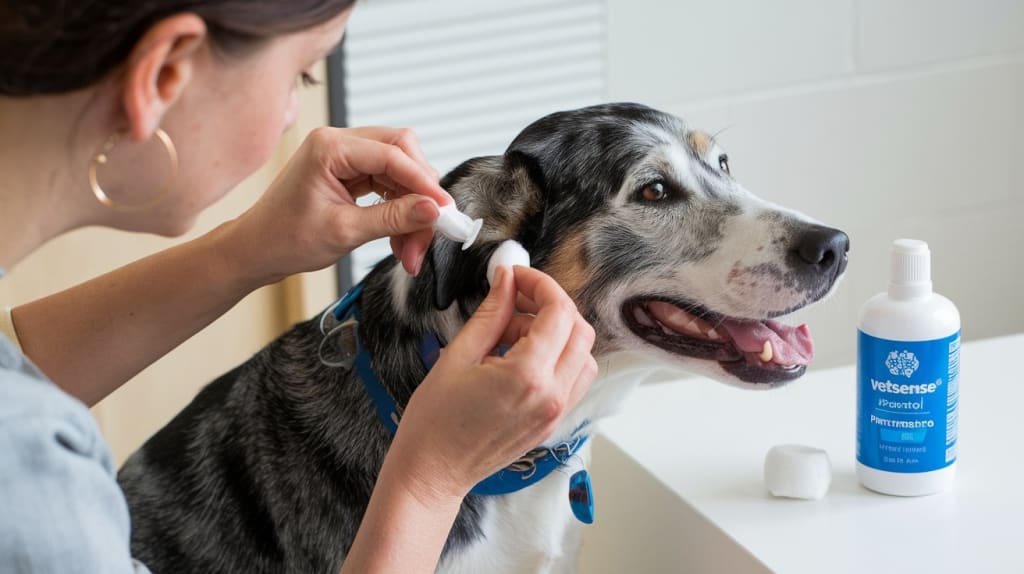
If your pup’s been scratching non-stop or you've spotted a few unwelcome fleas, it’s time to take action. Enter VetSense Permetrol—a trusted flea and tick control spray that’s been a go-to for many Aussie dog owners. But knowing how to use it properly? That’s the real trick. In this guide, we’re breaking it all down in plain English so you can confidently treat your dog and kick pests to the curb.
What is VetSense Permetrol?
VetSense Permetrol is a topical insecticidal and repellent spray designed for dogs and horses. It’s made in Australia and targets parasites like fleas, ticks, lice, and flies—without being harsh on your furry friends.
Key Ingredients in VetSense Permetrol
Permethrin 40:60 – A powerful synthetic insecticide that kills pests on contact.
Citronella Oil – A natural repellent that gives the spray its signature smell and boosts pest control.
Emulsifiers – Help break down oils for better dispersion in water if used as a rinse.
These ingredients work together to offer both instant knock-down and long-lasting protection.
How VetSense Permetrol Works
When applied to your dog’s coat, the active ingredients paralyze and kill parasites by attacking their nervous system. It also creates a protective barrier that repels new bugs from hitching a ride.
Benefits of Using VetSense Permetrol
Effective against a wide range of pests
Long-lasting protection
Can be used as a spray or rinse
Contains citronella for added natural repellency
Safe when used as directed
When Should You Use Permetrol on Your Dog?
You’ll want to use VetSense Permetrol when:
Fleas or ticks are present
After visiting bushy or grassy areas
During warmer months when parasites thrive
As part of your regular grooming routine
How to Prepare for Application
Check Your Dog’s Health First
Make sure your dog is in good health. Don’t use if they have open wounds or are recovering from illness. Puppies under 12 weeks should also wait.
Brush and Clean Beforehand
Give your dog a quick bath or brush-down before applying. This helps the product reach the skin more effectively.
Step-by-Step Guide to Applying VetSense Permetrol
Spray Application Method
Shake the bottle well before use.
Hold the spray about 15cm away from your dog’s coat.
Spray lightly but thoroughly—avoiding eyes, nose, and mouth.
Massage into the coat to ensure even distribution.
Let your dog air-dry naturally.
Tip: For nervous dogs, spray onto a glove and rub it through their fur.
Using it as a Rinse
Dilute according to the label (usually around 10mL per litre of water).
After bathing, pour the solution over your dog’s back.
Avoid the head and face area.
Let it dry—do not rinse off with clean water.
How Often Should You Apply It?
Use once every 7–10 days, or more frequently during peak flea/tick seasons. Always follow label instructions to avoid overuse.
Precautions and Safety Tips
Do not use on cats—permethrin is toxic to them.
Keep away from children and food areas.
Always wash your hands after application.
Avoid use on very young puppies, pregnant, or lactating dogs without vet advice.
Common Mistakes to Avoid
Spraying too close to the eyes
Over-spraying or applying daily
Using it on cats or mixing with other insecticides
Not brushing out debris before spraying
Signs the Treatment is Working
Less scratching and biting
No visible fleas or ticks
Healthier-looking coat
Reduced irritation and redness
What to Do If Your Dog Has a Reaction
Some dogs may experience mild irritation. If your dog shows signs of:
Excessive drooling
Trembling or shaking
Vomiting or lethargy
Stop using the product immediately and contact your vet.
Using VetSense Permetrol Around the Home
While it’s formulated for dogs, many owners also lightly spray it around dog bedding, kennels, or mats to help keep fleas and flies away. Just remember: never use it on furniture or near where cats sleep.
VetSense Permetrol for Other Animals
This product is also suitable for horses, but always check dosing and application methods based on the animal’s size and coat type. Do not use on cats or small mammals.
Alternatives to VetSense Permetrol
Looking for other options? Consider:
Oral flea and tick tablets
Natural essential oil sprays (like neem or lavender)
Spot-on treatments
Flea collars
Each has its pros and cons, so it’s worth chatting with your vet.
Conclusion
VetSense Permetrol is a must-have tool in any dog owner’s grooming kit. It’s easy to apply, effective, and gives you peace of mind knowing your furry mate is protected. Just follow the steps, keep safety in mind, and enjoy a flea-free life for your pup.
FAQs
1. Can I use VetSense Permetrol on puppies?
Not recommended for pups under 12 weeks old. Always consult your vet first.
2. What happens if my dog licks the product?
If licked in small amounts, it’s usually not harmful, but keep a close eye and contact a vet if any symptoms arise.
3. Can I use Permetrol with other flea treatments?
Best to avoid combining with other treatments unless advised by your vet.
4. Is it safe to use Permetrol around pregnant dogs?
Speak to your vet before using it on pregnant or nursing dogs.
5. How long does one application last?
It can provide protection for up to 7–10 days, depending on your dog’s activity level and environment.
About the Creator
Thomas Muller
VetSupply is a leading online pet store in Australia with a comprehensive range of products that cater to all your pet care needs.
Keep reading
More stories from Thomas Muller and writers in Petlife and other communities.
How to use Troy Repel-X
Let’s face it—flies, mosquitoes, and ticks are not just annoying, they’re a real health hazard for pets and horses. If your dog’s constantly scratching or your horse seems agitated, it might be time to bring in the big guns. Enter Troy Repel-X, a trusted insect repellent designed for dogs, horses, and their environments.
By Thomas Muller9 months ago in Petlife
A Dart at Dusk
Seconds ago, the sullen sun set on the two of us… my exuberant furry companion and me. A fresh breeze embraces us, delivering welcome relief from the day’s oppressive heat. His typical stumbling and staggering along — apace with a sloth — has turned into trip-trapping, high-stepping, almost skipping along.
By Angie the Archivist 📚🪶4 days ago in Petlife
Frozen Clash: Wolf vs Bear
The morning light broke gently over the snow-covered wilderness, turning the frost into a blanket of sparkling diamonds. The forest was silent except for the soft whisper of wind moving through the icy branches. Every tree was coated in white, and the frozen ground glistened under the soft sunlight. In this serene landscape, life thrived in quiet ways, even in the harshest winter conditions.
By Bilal Mohammadi6 days ago in Petlife


Comments
There are no comments for this story
Be the first to respond and start the conversation.