
How to Use Pet Immune Boosters & Immune Support Supplements?
Read this blog to know - How to Use Pet Immune Boosters & Immune Support Supplements?

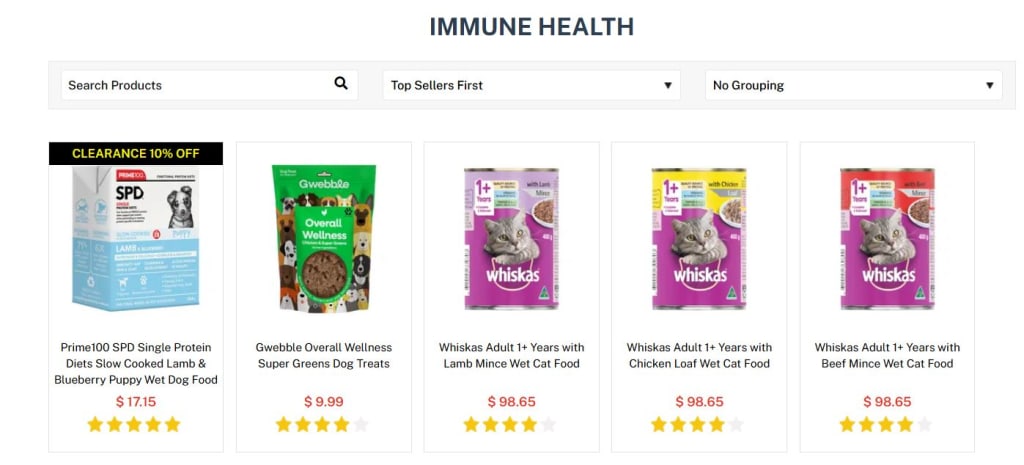
Your pet’s immune system is their frontline defense against everything from the common cold to serious infections. Just like us, dogs and cats can have their immunity weakened by stress, poor nutrition, aging, or chronic illness. So, how can you help them stay strong? Enter immune boosters and immune support supplements — the superhero sidekicks your furry friend didn’t know they needed. Check Pet Immune Boosters & Immune Support Supplements!
In this guide, we’ll unpack everything you need to know about choosing and using immune supplements safely and effectively.
🦴 What Are Pet Immune Boosters?
Definition and Function
Pet immune boosters are dietary supplements specifically formulated to support and strengthen a pet's immune system. They can help improve resistance to disease, speed up recovery, and keep chronic conditions under control.
Common Types of Immune Supplements
Powders and capsules
Chewable tablets and treats
Liquid tonics or drops
Immune-rich food toppers
🩺 Signs Your Pet May Need Immune Support
Frequent Infections or Illness
If your pet seems to always have a cough, sniffle, or skin infection — it’s a red flag. A weakened immune system means their body isn’t fighting off pathogens effectively.
Poor Coat Health or Low Energy
Dry, flaky skin or a dull coat could indicate an underlying health issue. Add in laziness or fatigue, and immune support may be needed.
Allergies or Digestive Issues
Chronic allergies, diarrhea, or sensitivity to foods? These are immune system red flags that shouldn’t be ignored.
🌿 Natural vs Synthetic Immune Boosters
Ingredients in Natural Boosters
Many pet parents love natural options because they’re gentler on the body. Common ingredients include:
Turmeric
Echinacea
Colostrum
Reishi mushrooms
Blueberries and spinach
When Synthetic Supplements Are Useful
Vet-formulated supplements may contain synthetic versions of vitamins, minerals, or amino acids in precise dosages that are easier to absorb.
🔬 Top Ingredients Found in Immune Supplements
Omega-3 Fatty Acids
Sourced from fish oil or flaxseed, they reduce inflammation and boost immunity.
Probiotics and Prebiotics
These help regulate the gut — where 70% of the immune system lives!
Antioxidants (Vitamins C, E)
They fight off free radicals, support cell function, and reduce stress-related damage.
Colostrum, Mushrooms, and Herbs
Colostrum (first milk) is rich in antibodies, while medicinal mushrooms (like Shiitake or Maitake) and herbs like ashwagandha support immune modulation.
🧪 How to Choose the Right Immune Supplement for Your Pet
Consider Age, Breed, and Lifestyle
Senior pets may need more immune support.
Active breeds benefit from antioxidants.
Indoor cats need different care than outdoor dogs.
Reading Labels and Understanding Dosage
Look for:
Transparent ingredient lists
Dosage per weight
Certification (e.g., NASC seal)
📦 How to Use Immune Boosters Safely
Dosage Guidelines by Size and Species
Always follow manufacturer recommendations or ask your vet. A small dog doesn’t need the same amount as a large breed!
Frequency and Timing
Some supplements are daily, others are seasonal (like during winter or allergy season). Best time? Usually with meals for better absorption.
Mixing with Food or Treats
Many supplements come in flavors your pet will love. If not, try hiding capsules in peanut butter or mixing liquid into broth.
💪 Best Practices for Long-Term Immune Health
Healthy Diet and Hydration
No supplement can outwork a poor diet. Feed a balanced, nutrient-rich diet and always provide clean water.
Regular Vet Checkups
Routine bloodwork and exams can catch early signs of immune suppression or chronic disease.
Stress Management for Pets
Yes, pets get stressed too! Provide enrichment, play, and quiet time. Stress hurts their immune system big time.
🐶 Can You Give Immune Boosters to Puppies & Kittens?
Age-Appropriate Immune Support
Puppies and kittens may need gentler, specific formulas. Look for products labeled "safe for young pets."
Precautions for Young Pets
Avoid potent herbal formulas unless advised by your vet. Start slow and monitor closely.
😬 Common Mistakes to Avoid
Overdosing
More isn’t better. Stick to the recommended dose unless your vet advises otherwise.
Mixing Incompatible Supplements
Some ingredients cancel each other out or overload your pet’s system. Avoid stacking products unless you're sure they’re compatible.
📊 Monitoring Your Pet’s Progress
Signs the Supplement Is Working
Fewer sick days
Shinier coat
More energy and alertness
Keeping a Health Journal
Track daily habits, mood, poop quality (yes, really), and any noticeable changes. Share with your vet.
✅ Conclusion
Boosting your pet’s immune system isn’t just for when they’re sick — it’s a proactive way to keep them happy and healthy. Whether it’s through natural herbs, powerful antioxidants, or vet-formulated supplements, you’ve got options. Just remember: go slow, stay consistent, and always loop your vet into the conversation.
❓ FAQs
Q1. Can I give my pet immune supplements every day?
Yes, many are safe for daily use — but check the label and consult your vet.
Q2. How long until immune supplements start working?
Some pets show improvement within a few days, but most take 2–4 weeks for noticeable results.
Q3. Are immune boosters safe for pets on medication?
Sometimes — but always consult your vet to avoid interactions.
Q4. Can immune supplements help with allergies?
Yes! Many formulas also support skin health and allergy resistance.
Q5. What’s better — pills or chews?
It depends on your pet. Chews are easier for picky eaters, but capsules often contain higher dosages.
About the Creator
Thomas Muller
VetSupply is a leading online pet store in Australia with a comprehensive range of products that cater to all your pet care needs.
Keep reading
More stories from Thomas Muller and writers in Petlife and other communities.
How to Use Pet Fly Repellent & Control
Flies may seem like nothing more than a seasonal nuisance, but for your pets, they can be downright dangerous. Whether it’s painful bites, open wounds, or infections, flies are more than just buzzing irritants. If your dog is constantly swatting at their ears or your cat’s tail looks like a fly landing strip, it’s time to take action. That’s where pet fly repellent and control comes in!
By Thomas Muller8 months ago in Petlife
The Politics of Playing Dress-Up
Well, to start off I'd like to say a happy world book day to all who celebrate. I know I haven't really posted anything on my socials about it but I'm not a jubilant kind of person. I lay low most of the time. Let's start off with a popular anecdote from the vaults...
By Annie Kapur4 days ago in Geeks




Comments
There are no comments for this story
Be the first to respond and start the conversation.