
How to Train Your Reactive Dog to Remain Calm
Read this blog to know - How to Train Your Reactive Dog to Remain Calm
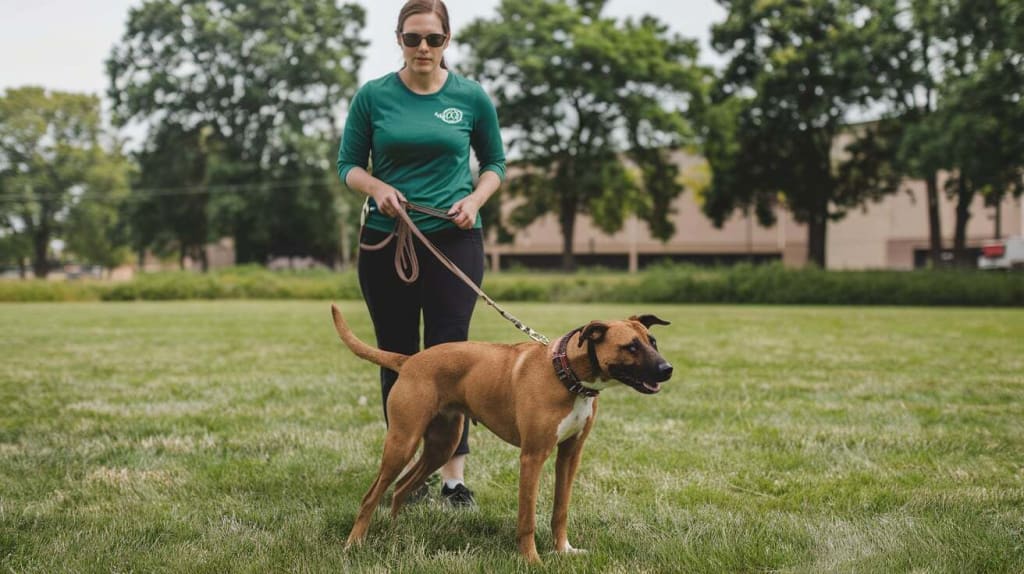
Training a reactive dog to remain calm can feel like an uphill battle, but with the right techniques and patience, it's entirely possible to help your dog manage their behavior. Reactive dogs often overreact to certain stimuli such as other dogs, people, or specific environments, and the key is to teach them How to Train Your Reactive Dog to Remain Calm in these situations. Let’s dive into how you can successfully train your reactive dog.
1. Understanding Dog Reactivity
What is a Reactive Dog?
A reactive dog is one that reacts excessively to stimuli. This could be barking at other dogs, lunging at people, or growling when they hear certain noises. It's important to note that reactivity is not aggression—although it can sometimes lead to aggressive behavior if not addressed properly.
Signs of Dog Reactivity
Understanding your dog's triggers is crucial. Some signs that your dog might be reactive include:
Excessive barking
Lunging on the leash
Growling or snapping
Raised hackles (hair on the back standing up)
Why Do Dogs Become Reactive?
Reactivity in dogs can stem from various reasons such as fear, frustration, or even a lack of proper socialization. Sometimes, dogs become reactive due to past trauma or bad experiences with certain triggers. Each dog’s case is unique, so identifying the root cause of your dog’s reactivity is key to tailoring the right approach.
2. Setting Realistic Goals
The Importance of Patience
Training a reactive dog takes time, and it’s important to set realistic expectations. Patience is critical. You won’t see drastic changes overnight, but with consistent effort, you will start to notice improvements.
Tracking Progress
Keep a journal of your dog's progress. Note the triggers, the distance from the trigger, and how your dog reacts. This can help you identify patterns and celebrate small victories.
3. Start with Basic Obedience
Why Basic Commands Matter
Basic obedience lays the foundation for managing reactivity. Commands such as "sit," "stay," "come," and "leave it" will help you control your dog in potentially reactive situations. Teaching your dog to focus on you, rather than the trigger, is vital.
Teaching Focus Commands
Start by practicing focus commands like “look at me” in a distraction-free environment. Gradually introduce distractions once your dog masters the command at home. This will help redirect their attention from triggers to you.
4. Controlled Exposure to Triggers
What is Desensitization?
Desensitization is the process of gradually exposing your dog to their trigger in a controlled manner so that they become less sensitive over time. Start by introducing the trigger at a distance where your dog is calm, and slowly decrease the distance over time.
Counterconditioning Techniques
Pair the presence of a trigger with positive reinforcement, such as treats or toys. This helps your dog associate the trigger with positive experiences instead of reacting negatively. For example, if your dog reacts to other dogs, reward them with treats every time they see another dog and stay calm.
5. Leash Training for Reactive Dogs
Loose-Leash Walking
A common problem with reactive dogs is pulling on the leash. Teaching loose-leash walking is essential to regain control. Use a front-clip harness for better management, and teach your dog that staying close to you on the leash will be rewarded with treats.
Avoiding Triggered Reactions
When walking your reactive dog, avoid putting them in situations where they feel overwhelmed by their triggers. If you see another dog approaching, try crossing the street or using a different route to avoid a reactive outburst.
6. Teaching the "Look" Command
The "look" command is a powerful tool for training reactive dogs. When you notice a trigger approaching, ask your dog to "look" at you and reward them with treats. This helps your dog break their focus from the trigger and focus on you instead.
7. Use Positive Reinforcement
Reward Good Behavior
Positive reinforcement is a key part of training any dog, but it’s especially important for reactive dogs. Whenever your dog stays calm in the presence of a trigger, reward them generously with treats or praise.
Timing is Crucial
The timing of the reward is critical. Make sure to give the treat immediately after the desired behavior. This helps your dog understand exactly what they are being rewarded for.
8. Avoid Punishment
Why Punishment Can Backfire
Punishing a reactive dog can worsen the situation. It increases their stress and anxiety, which can lead to more reactive behavior. Instead of punishment, focus on redirecting their attention and rewarding calm behavior.
Building Trust
Your dog needs to trust that you will guide them through stressful situations. Avoid yelling or using harsh corrections as this will damage your relationship with your dog.
9. The Role of Exercise in Managing Reactivity
Physical Exercise
Physical exercise helps burn off excess energy and can reduce the likelihood of reactive outbursts. Ensure that your dog gets regular exercise suited to their breed and energy level.
Mental Stimulation
Mental exercise is just as important as physical activity. Puzzle toys, scent work, and obedience training sessions are great ways to tire out your dog mentally, which can lead to calmer behavior overall.
10. Working with a Professional Trainer
When to Seek Help
If your dog’s reactivity is severe or you’re not seeing progress with your training, it may be time to seek help from a professional dog trainer, especially one who specializes in reactive dogs.
Choosing the Right Trainer
Look for trainers who use positive reinforcement techniques and have experience working with reactive dogs. Avoid trainers who use punishment-based methods, as these can worsen the reactivity.
11. Staying Consistent
Routine is Key
Consistency is essential when training a reactive dog. Stick to a routine, and ensure everyone in the household follows the same training guidelines.
Practice in Different Environments
Once your dog has mastered commands at home, practice them in different environments with varying levels of distraction. This will help your dog generalize their training and remain calm no matter where they are.
12. Managing Setbacks
Expect Some Bad Days
Training a reactive dog isn’t always a linear process. There will be days when your dog regresses or reacts more than usual. Don’t get discouraged; setbacks are part of the process.
Celebrate Small Wins
Focus on the small victories and remind yourself of the progress you’ve made. Every step towards a calmer, more manageable dog is worth celebrating.
Conclusion
Training a reactive dog to remain calm takes time, patience, and consistency. By using positive reinforcement, avoiding punishment, and gradually desensitizing your dog to their triggers, you can help them become more relaxed and less reactive. Remember to set realistic goals, track progress, and, when needed, seek help from a professional. With dedication and the right techniques, your reactive dog can learn to stay calm and enjoy a more peaceful life.
FAQs
1. How long does it take to train a reactive dog?
It depends on the dog and their specific triggers. Some dogs may show improvement in a few weeks, while others might take several months. Consistency and patience are key.
2. Can a reactive dog be cured completely?
While you might not completely "cure" reactivity, you can significantly reduce it and help your dog manage their responses better.
3. Should I avoid all triggers for my reactive dog?
You don’t need to avoid all triggers, but it's important to manage exposure. Gradual desensitization helps your dog learn to stay calm in the presence of triggers.
4. Are some breeds more prone to reactivity?
Any dog can be reactive, but some breeds that are more alert or protective may be more prone to reactivity, especially without proper socialization.
5. Can I train my reactive dog on my own?
Yes, with the right tools and techniques, many people successfully train their reactive dogs. However, seeking guidance from a professional trainer can be helpful for more challenging cases.
About the Creator
Keep reading
More stories from Pawsand paws and writers in Petlife and other communities.
Dog Shoes: How to Get Your Pup to Wear Them Happily
Dog shoes might seem like a quirky accessory, but they offer substantial benefits for your pup’s paws. From scorching hot pavements to icy trails, dog shoes can provide protection and comfort. However, getting your dog to wear them willingly can be a bit of a task. This guide will help you navigate through the process with ease.
By Pawsand pawsabout a year ago in Petlife
Velveteen Lop Rabbit Lifespan Size Color Diet and Interesting Facts
As we know when people assume Velveteen Lop Rabbit many time the sweet story of the Velveteen Rabbit comes to mind. The name of this breed is not taking from any rabbit, but the book The Velveteen Rabbit have a very cute, sociable, and friendly nature.
By Rabbits Advisor2 days ago in Petlife
Helping Your Elderly Cat Who's Going Blind
When Your Cat Loses Its Sight It can be heartbreaking to watch your beloved kitty go blind. When my cat started to go blind, it was really hard to watch her bump into walls, not to mention the constant loud meowing, which made her sound like she was in excruciating pain. She wasn't. However, she was very confused and scared.
By Janis Masyk-Jackson4 days ago in Petlife


Comments
There are no comments for this story
Be the first to respond and start the conversation.