
How to Potty Train a Puppy
In this guide, we'll explore effective strategies to make the potty training process smoother for both you and your new four-legged friend.
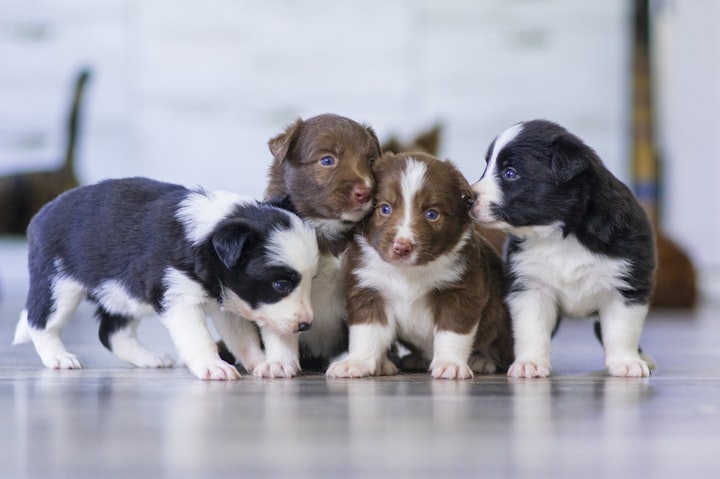
Puppies bring joy and companionship into our lives, but the journey to a well-behaved furry friend requires some patience and dedication, especially when it comes to potty training. In this guide, we'll explore effective strategies to make the potty training process smoother for both you and your new four-legged friend.
1. Why Potty Training is Crucial
Potty training is a fundamental aspect of raising a healthy and happy puppy. It not only keeps your living space clean but also fosters good habits for your pet's overall well-being.
2. Common Challenges in Potty Training
Before diving into the training process, it's essential to understand the common challenges faced by pet owners. Recognizing these challenges will help you tailor your approach to your puppy's specific needs.
1. Preparing for Potty Training
* Creating a Designated Potty Area
Establishing a specific spot for your puppy to relieve itself helps in creating a routine and minimizing accidents. This could be a section of your backyard or a dedicated indoor area.
* Gathering Necessary Supplies
Equip yourself with the right tools, including training pads, cleaning supplies, and treats. Having these on hand ensures a smoother training experience.

2. Choosing the Right Time
* Age Considerations
While there's no fixed age for potty training, starting when your puppy is around 12 weeks old is generally advisable. Younger puppies may have less control over their bladder.
* Identifying Behavioral Cues
Observing your puppy's behavior can provide valuable insights into when it needs to go. Common cues include restlessness, circling, or sniffing around.
3. Positive Reinforcement Techniques
* Treats and Praise
Rewarding your puppy with treats and praise when it successfully uses the designated potty area reinforces the desired behavior. This positive reinforcement creates a positive association with the training process.
* Consistency is Key
Consistency in your actions and rewards is crucial for effective training. Ensure that everyone involved in the puppy's care follows the same routine and uses consistent commands.
4. Establishing a Routine
* Regular Feeding Schedule
Having a regular feeding schedule makes it easier to predict when your puppy will need to go. Puppies usually need to relieve themselves shortly after eating.
* Consistent Potty Breaks
Take your puppy outside regularly, especially after waking up, eating, or playing. Consistency helps them understand that the designated potty area is where they should go.
Ultimate Guide - Training Your Dogs And Cats
5. Handling Accidents
* Remaining Calm
Accidents will happen, especially in the early stages. It's essential to remain calm and avoid scolding your puppy. Punishment can lead to fear and hinder the training process.
* Cleaning and Deodorizing
Thoroughly clean any accidents to eliminate the scent, preventing your puppy from associating that area with a potty spot.
6. Adapting to Different Environments
* Home vs. Outdoors
Teach your puppy to differentiate between indoor and outdoor spaces for potty breaks. This is particularly important for families living in apartments or houses with limited outdoor access.
* Traveling with a Puppy
Prepare for potty breaks while traveling by bringing portable potty pads and maintaining a consistent schedule.
7. Common Mistakes to Avoid
* Punishment vs. Positive Reinforcement
Avoid using punishment as a means of correction. Positive reinforcement is more effective and fosters a trusting relationship between you and your puppy.
* Inconsistency in Training
Inconsistency can confuse your puppy. Stick to the established routine to reinforce good habits.
8. Advanced Training Techniques
* Bell Training
Bell training involves teaching your puppy to ring a bell when it needs to go outside. This can be a useful skill, especially for dogs without easy access to a door.
* Clicker Training
Clicker training pairs a distinct sound with positive reinforcement. This method helps reinforce good behavior during potty training.
9. Monitoring Health During Potty Training
* Signs of Health Issues
Keep an eye out for signs of health problems, such as frequent accidents or changes in behavior. Consult a veterinarian if you notice any concerning symptoms.
* Consulting a Veterinarian
Regular check-ups with a veterinarian ensure your puppy is in good health and can help address any potential issues affecting potty training.

10. Celebrating Successes
* Gradual Independence
As your puppy becomes more reliable in potty training, gradually increase its independence by extending the time between potty breaks.
* Maintaining Good Habits
Consistency even after successful training is key to maintaining good habits. Continue with the established routine to reinforce positive behavior.
11. Dealing with Regression
* Identifying Regression Signs
Regression is normal, especially during times of change or stress. Identify signs of regression and revisit basic training techniques if needed.
* Revisiting Basic Training Techniques
If your puppy regresses, revisit the basics of potty training, reinforcing positive behaviors with patience and consistency.
Frequently Asked Questions (FAQs)
1. How long does it take to potty train a puppy?
Potty training duration varies, but it typically takes a few weeks to a few months. Consistency is key for successful training.
2. What if my puppy doesn't respond to treats during training?
Experiment with different treats or find alternative forms of positive reinforcement, such as verbal praise or playtime.
3. Is crate training necessary for potty training?
While not mandatory, crate training can be a helpful tool for managing a puppy's behavior and speeding up the potty training process.
4. Can I train an older dog to use a designated potty area?
Yes, older dogs can be trained, although it may take more time and patience. Consistency is crucial in these cases.
5. How do I handle potty training in an apartment?
Designate a specific indoor potty area, use training pads, and establish a consistent schedule for outdoor walks.
Conclusion
Potty training a puppy requires dedication, patience, and a well-thought-out approach. By understanding your puppy's behavior, employing positive reinforcement techniques, and maintaining consistency, you can create a positive and successful training experience for both you and your furry companion.
"This article contains an affiliate link"
About the Creator
Deeb Abdullah
Hi, my name is Deeb Abdullah, and I have been an affiliate marketer since 2020.I graduated from Southern University in New Orleans, Louisiana in 1986. Also, have post graduate degree in MBA from Leicester University, UK.
Keep reading
More stories from Deeb Abdullah and writers in Petlife and other communities.
Tips, Tricks, and Ideas for Stopping a Puppy from Biting
Puppies are bundles of joy, but their biting habits can be a real challenge for pet owners. Understanding why puppies bite and how to address this behavior is crucial for a harmonious relationship. Let's delve into effective strategies to stop a puppy from biting fast, ensuring a happy and safe environment for both you and your furry friend.
By Deeb Abdullah2 years ago in Petlife
Off the Leash: The Essential Gear Guide for Adventurous Dogs
There’s something wildly freeing about unclipping the leash and letting your dog move the way they were built to. If you’re hiking in areas that truly allow off-lead exploration, your gear list shifts. No harness. No leash dragging through dust. Instead, it’s about smart, lightweight essentials that keep your dog safe, hydrated, and easy to manage when adventure gets messy. Long walks off lead are less about control and more about preparation.
By Shabbir Ahmada day ago in Petlife
Wisteria Woo RIP
Wisteria Woo Silver~Rhodesian Ridgeback Cane Corso mix~ 7.19.15-3.2.26 My service dog, Wisteria, had been slowing down, having mysterious health symptoms like severe hives and unexplained injury. She went to the vet last month, but unfortunately, not all tests detect all problems. When we returned to the vet yesterday, upon much more concerning symptoms suddenly appearing, we learned she had a very large mass (10inx10in) likely the very aggressive hemangiosarcoma, and that we would only be buying a few months if we went through with treatment.
By K.B. Silver 6 days ago in Petlife


Comments
There are no comments for this story
Be the first to respond and start the conversation.