
How to Know If Your Dog Food Is Nutritionally Balanced
Key Indicators of Quality Dog Food
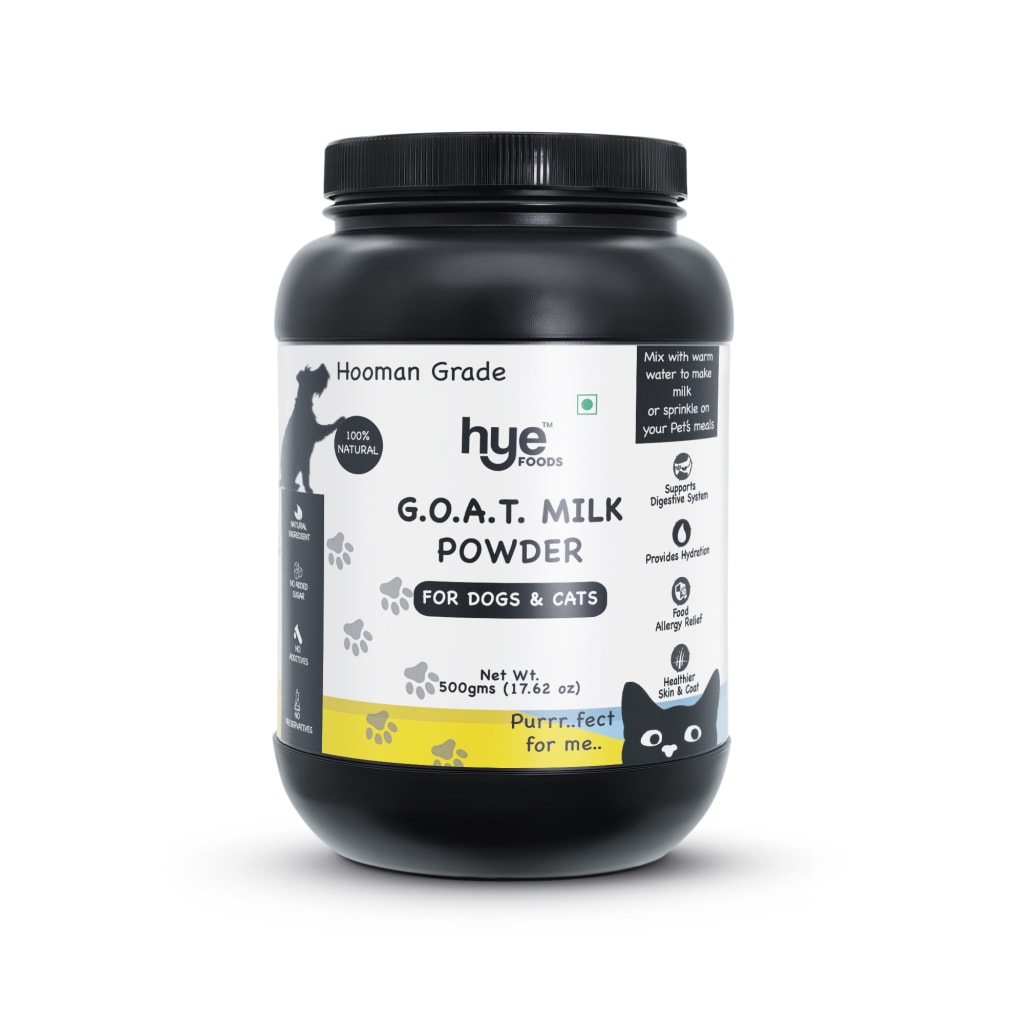
Choosing the right dog food is one of the most important decisions you’ll make as a pet owner. With so many options available, how can you be sure that what you’re feeding your furry friend is nutritionally balanced? Let’s explore the key indicators to help you determine if you’re providing your dog with the best nutrition possible.
Understanding Nutritional Balance
What Does Nutritionally Balanced Mean?
A nutritionally balanced diet for dogs means it provides all the essential nutrients they need to thrive, including proteins, fats, carbohydrates, vitamins, and minerals. Just like humans, dogs require a balanced intake of nutrients to support their overall health, energy levels, and immune system.
The Importance of Life Stages
Nutritional needs can vary significantly based on your dog’s age, size, and activity level. For example:
Puppies require higher protein and fat for growth.
Adult dogs need a balanced diet to maintain their health and energy.
Senior dogs often benefit from diets tailored for joint health and easier digestion.
Knowing your dog’s life stage helps you choose the right adult dog food or senior dog food.
Key Indicators of Nutritional Balance
1. Look for AAFCO Approval
When shopping for healthy dog food, check for the AAFCO (Association of American Feed Control Officials) statement on the packaging. This indicates that the food meets established nutrient profiles for specific life stages. It’s a good sign that the food is nutritionally complete.
2. Check the Ingredients List
A quality dog food will list meat as the first ingredient. Look for whole meats or meat meals, which are concentrated sources of protein. Avoid foods that list generic terms like "meat by-products" or "animal fat." Here’s what to consider:
Whole meats (like chicken or beef) are excellent.
Grains and vegetables can provide necessary fiber and carbohydrates.
Be cautious of fillers, artificial additives, and unnecessary fillers.
3. Examine Nutritional Information
Most reputable brands will provide detailed nutritional information on the packaging. This should include percentages of protein, fat, fiber, and moisture. For instance, a good wet food will typically have higher moisture content, while dry foods should contain adequate protein and fat levels to meet your dog’s needs.
4. Balance of Macronutrients
For a diet to be balanced, it should include:
Protein: Essential for muscle growth and repair. Look for a minimum of 18% protein for adult dogs.
Fats: Important for energy and coat health. A minimum of 5% fat is recommended for adult dogs.
Carbohydrates: While not essential, they can provide energy and aid digestion, so look for wholesome sources like brown rice or sweet potatoes.
5. Vitamins and Minerals
Your dog’s diet should include essential vitamins and minerals, such as:
Calcium and phosphorus for bone health.
Omega fatty acids for skin and coat health.
Vitamins A, D, E, and B-complex for various bodily functions.
Check the label to ensure these are included, especially in senior dog food that may require additional supplements.
Consulting Your Veterinarian
If you’re unsure about the nutritional adequacy of your dog’s food, it’s always a good idea to consult your veterinarian. They can provide tailored advice based on your dog’s specific health needs, age, and lifestyle.
Monitoring Your Dog’s Health
1. Watch for Changes in Weight and Coat Condition
A balanced diet will contribute to a healthy weight and a shiny coat. If your dog is gaining or losing weight rapidly or has a dull coat, it might be time to reassess their diet.
2. Observe Behavior and Energy Levels
A well-balanced diet should keep your dog energetic and playful. If they seem lethargic or uninterested in play, it could signal that their food isn’t meeting their nutritional needs.
3. Regular Vet Check-ups
Regular veterinary visits can help ensure that your dog’s diet is supporting their health. Your vet can provide insights into any adjustments you may need to make in their feeding routine or food choice.
Conclusion
Determining if your dog food is nutritionally balanced doesn’t have to be complicated. By looking for AAFCO approval, examining ingredient lists, and monitoring your dog's health, you can ensure your furry friend is receiving the nutrition they need. Whether you opt for wet food, healthy dog food, or a high-quality adult dog food, taking the time to choose wisely will pay off in your dog’s health and happiness.
Remember, your dog depends on you to make informed choices about their diet. By staying informed and attentive, you can provide them with the best possible nutrition for a long and healthy life.
About the Creator
Off the Leash: The Essential Gear Guide for Adventurous Dogs
There’s something wildly freeing about unclipping the leash and letting your dog move the way they were built to. If you’re hiking in areas that truly allow off-lead exploration, your gear list shifts. No harness. No leash dragging through dust. Instead, it’s about smart, lightweight essentials that keep your dog safe, hydrated, and easy to manage when adventure gets messy. Long walks off lead are less about control and more about preparation.
By Shabbir Ahmad6 days ago in Petlife
Hottest in the Office
Dear Rafi, You’re very distracting to work around. For the first second I saw you the other day, I thought you were some type of executive. It took a moment to realize no, you were just the new guy, dressed up for the job he wants. Be still, my heart.
By Gabriel Shames5 days ago in Pride




Comments
There are no comments for this story
Be the first to respond and start the conversation.