
How to Keep Your Dog Safe While Swimming
Learn essential dog swimming safety tips to keep your pet safe in pools, lakes, and oceans. Enjoy worry-free fun!

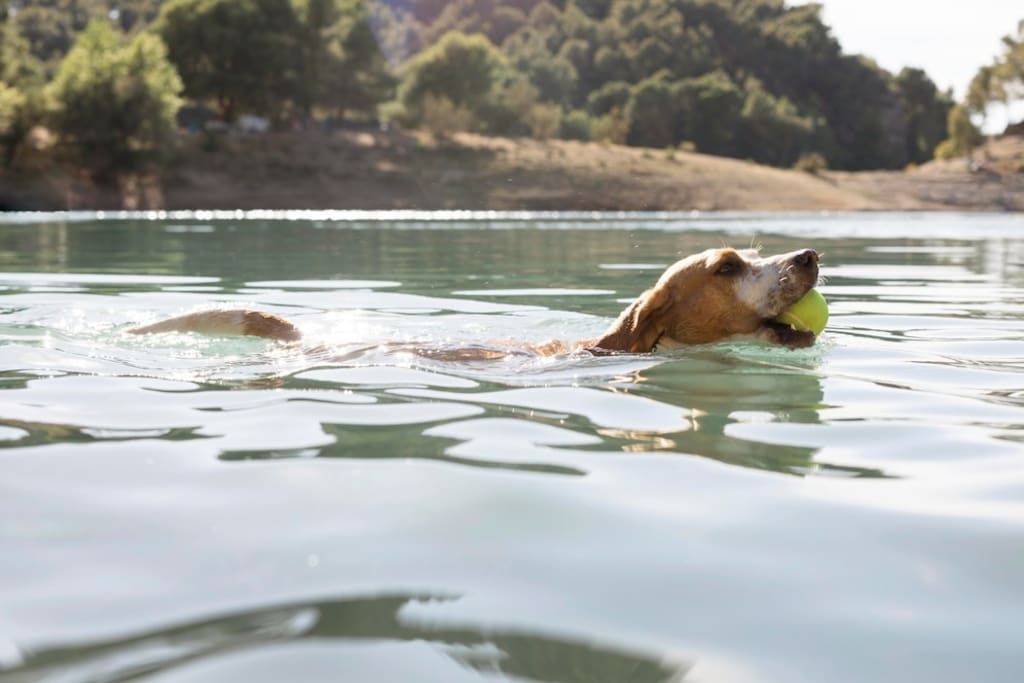
Swimming is a wonderful activity for dogs. It provides good exercise and helps them stay cool in hot weather. Many dogs enjoy playing in water, whether it's a pool, lake, or ocean. Besides being fun, swimming can help your dog keep a healthy weight, strengthen their muscles, and reduce joint pain, which is especially beneficial for older dogs.
Swimming has risks, just like it does for people. Even if your dog loves the water, safety must come first. Whether your dog is new to swimming or has done it many times, knowing the dangers and being careful is important for a safe and enjoyable time.
Why Dog Safety Is Crucial When Swimming
When dogs are in the water, they can encounter various dangers. Drowning is a clear risk, but there are other threats as well. Fatigue, dehydration, and strong currents can endanger your dog's life. Even if some dogs appear to swim well, they are still at risk of accidents.
Water environments offer various challenges. Pools might look safe, but dogs can get tired and have trouble finding the exit steps. Lakes and rivers can hide dangers like debris, strong currents, or harmful algae. The ocean adds risks from tides, waves, and marine creatures. As a pet owner, you need to be aware and prepared for each type of water to keep your dog safe.
Know Your Dog’s Swimming Ability
Can All Dogs Swim?
Many people think all dogs can swim well, but that's not completely accurate. Some breeds are great swimmers, while others find it hard. Breeds like Labradors, Golden Retrievers, and Newfoundlands are good in the water because of their strong bodies and webbed feet. In contrast, breeds with short legs or flat faces, like Bulldogs, Dachshunds, and Pugs, usually struggle to stay above water.
It’s important to check your dog’s physical skills before thinking they can swim. Even if your dog is good at swimming, they might need some practice and training to feel safe and at ease in the water.
Assessing Your Dog’s Comfort Level with Water
Not every dog enjoys water immediately. Some may feel scared or uncertain, while others might dive in happily. If your dog seems hesitant or anxious, they might require extra time and patience to feel at ease. Watch their body language; a nervous dog might shake, pant a lot, or try to stay away from the water.
If your dog is excited to jump in, that's wonderful! However, an enthusiastic dog can still tire themselves out, so it's important to keep an eye on their energy and provide breaks when necessary.
Safety Tips for Swimming with Your Dog
Introduce Your Dog to Water Gradually
If your dog is just starting to swim, take your time. Begin by letting them play in shallow water. Let them get their feet wet and slowly go deeper as they feel more at ease. Use treats or toys to make it enjoyable and calm. This will help ease any fear or nervousness they may have about the water.
Always Use a Dog Life Jacket
Using a life jacket for your dog is a wise decision, even if they swim well. This is especially true in deep or open water. A life jacket adds extra buoyancy and helps your dog stay afloat if they get tired or are pulled by a current. It's crucial for breeds that don't swim easily.
Ensure the life jacket fits your dog well, not too loose or too tight. It should let them move easily while keeping their head above the water.
Supervision Is Key
Always supervise your dog when they are swimming. Even strong swimmers can face problems. Watch your dog closely for signs of tiredness, like slower movements or trouble staying afloat. If you see these signs, help your dog out of the water right away.
Choosing the Right Environment for Your Dog
Is the Water Safe for Your Dog?
Always check the water quality and conditions before allowing your dog to jump in. In lakes and ponds, watch for harmful algae blooms that can be toxic if your dog eats them. In the ocean, be cautious of strong currents, waves, and jellyfish. For pools, make sure the chlorine levels are safe for your dog. Additionally, check the water temperature; cold water can cause hypothermia, while very warm water can lead to overheating.
Ocean, Lake, or Pool: Which Is Best for Your Dog?
Every place has its good and bad points for dogs. Pools are usually safe, but they can wear dogs out fast because there’s no shallow part to take a break. Lakes have calm water, but there might be hidden risks like sharp things or bad algae. Oceans have lots of space to swim, but the waves and tides can be too much for some dogs.
If you're wondering where can I take my dog swimming, it's important to first evaluate the environment for safety, whether it's a pool, lake, or ocean. No matter where you are, know the area and any dangers before allowing your dog to swim.
Preventing and Handling Water-Related Emergencies
Preventing Drowning and Exhaustion
Dogs can get tired faster than people. Look for signs like heavy breathing, slowing down in the water, or a scared expression. If you see these signs, call your dog to come back or help them out. Make sure there is an easy way for your dog to exit, like a ramp, so they can get out safely.
Handling Water-Related Health Issues
Sometimes, no matter how careful you are, accidents can occur. If your dog drinks too much water, it could lead to water intoxication, which can be very serious. If you see signs like vomiting, tiredness, or trouble breathing after swimming, call your vet right away.
If your dog nearly drowns, stay calm and act quickly. Get your dog out of the water. If they aren't breathing, do CPR and call for emergency vet help.
After-Swim Care for Your Dog
Rinse and Dry Your Dog Thoroughly
After your dog swims in lakes, oceans, or pools, it's essential to wash them off. Rinse their coat with fresh water to get rid of chemicals, salt, or algae. Then, dry them with a towel. This will help avoid skin irritation and keep their coat healthy.
Watch for Signs of Skin or Ear Infections
Swimming can occasionally cause skin problems, such as hot spots or ear infections from water getting stuck in the ears. After swimming, make sure to dry your dog's ears with a clean towel and look for any redness, bad smells, or discharge. If you see any signs of infection, contact your vet for help.
Conclusion
Swimming is a great and enjoyable activity for your dog, but safety is the top priority. By knowing your dog's skills, picking a safe place, and following important safety steps, you can make sure every swim is fun. Remember these tips, and you and your dog can have a safe and exciting time in the water!
About the Creator
Keep reading
More stories from Alan Parker and writers in Petlife and other communities.
15 Essential Tips for Cat Sitting in 2024
Cat sitting has become an increasingly popular service. With more and more people traveling for both business and pleasure. It's essential to make sure your beloved cat is in good hands while you're away, for their happiness and your peace of mind.
By Alan Parker2 years ago in Petlife
Authenticity and Presence: What Animals Can Teach Actors About Emotional Truth
Actors spend years searching for authenticity. Acting schools teach technique, rehearsal methods focus on emotional preparation, and directors guide performers toward believable moments on screen. Yet sometimes the most meaningful lessons about authenticity come from unexpected places.
By Andreas Szakacsabout 7 hours ago in Petlife
The Gourmet Grumble: Navigating Life with Dog Breeds That Are Picky Eaters
We’ve all seen the commercials: a happy Golden Retriever hears a kibble bag crinkle from three rooms away, skids across the hardwood floor, and inhales a bowl of dry food in approximately four seconds. It’s the universal image of canine appetite.
By MINNIE PEARL’S LIVER LEAVIN’Sabout 3 hours ago in Petlife



Comments
There are no comments for this story
Be the first to respond and start the conversation.