
How to Groom a Dog and Why It is so Essential
How to Groom a Dog and Why It is so Essential

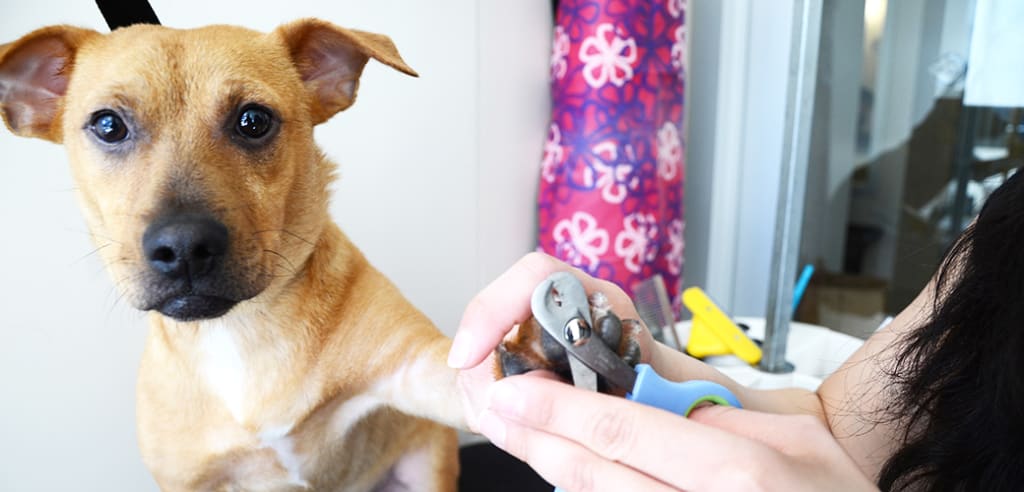
Grooming your dog is more than just a luxury; it's necessary to maintain its health and well-being. Regular grooming helps prevent various health issues and strengthens your bond with your furry friend. This article will guide you on how to groom a dog effectively and explain why it is so essential.
How to Groom a Dog
Brushing
Brushing stands as one of the core components of dog grooming. Regular brushing helps to remove loose fur, dirt, and tangles and prevents matting.
- Tools Needed: Use a brush suited to your dog's coat type. For instance, a slicker brush is great for long-haired breeds, while a bristle brush works well for short-haired dogs.
- Frequency: Brush long-haired dogs daily and short-haired dogs at least once a week.
- Technique: Start from the head and move towards the tail, brushing in the direction of hair growth. Be gentle to avoid causing discomfort.
Bathing
Bathing keeps your dog’s skin and coat clean and healthy. Overbathing, however, can remove the skin's natural oils.
- Frequency: Bathe your dog once every 1–3 months, depending on its activity level and coat type.
- Products: Use Malaseb Shampoo for Dogs, Dorwest Soothe & Calm Shampoo, etc., available on Pet Care Supplies, to avoid skin irritation.
- Technique: Wet your dog thoroughly, apply shampoo, lather well, and rinse completely. Be cautious around the eyes and ears.
Nail Trimming
Overgrown nails can cause discomfort and health issues. Regular nail trimming is crucial.
- Required Tools: Use dog nail clippers or a nail grinder.
- Frequency: Trim your dog’s nails every 3–4 weeks.
- Technique: Cut the nails just before the quick (the pink part inside the nail). If unsure, consult a vet or a professional groomer.
Ear Cleaning
Maintaining clean ears is crucial to prevent infections and discomfort.
- Tools Needed: Use Ilium Ear Drops for Dogs ear cleaning solution and cotton balls or gauze.
- Frequency: Clean your dog’s ears once a month.
- Technique: Apply the solution to a cotton ball and gently wipe the inside of the ears. Avoid inserting anything deep into the ear canal.
Dental Care
Oral hygiene is often overlooked but is critical for overall health.
- Tools Needed: Use Pet Dent Finger Brush for Dogs and Pet Dent toothpaste.
- Frequency: Brush your dog’s teeth several times a week.
- Technique: Lift your dog’s lips and brush in small, circular motions. Focus on the gum line and the back teeth.
Anal Gland Expression
Some dogs may require their anal glands to be manually expressed to prevent discomfort and infections.
- When Needed: If your dog scoots on the floor or licks their rear excessively, it might be time.
- Technique: This is best performed by a vet or groomer due to the sensitive nature of the procedure.
Haircuts and Trimming
Regular haircuts prevent matting and keep your dog comfortable.
- Tools Needed: Use grooming scissors or clippers.
- Frequency: Depending on the breed, every 6–8 weeks may be necessary.
- Technique: Trim around the eyes, paws, and sanitary areas regularly. For full grooming, consider a professional groomer.
Why Grooming is Essential
Health Benefits
Regular grooming prevents a variety of health issues. It helps in early detection of problems such as skin infections, parasites like fleas and ticks, and lumps or bumps. Grooming also keeps your dog’s coat free from matting, which can cause skin irritation and infections.
Comfort and Well-being
Grooming ensures that your dog remains comfortable. Overgrown nails can cause pain and walking issues, while matted fur can pull on the skin and create discomfort. Regular grooming helps maintain a healthy coat, preventing shedding and keeping your home cleaner.
Bonding and Trust
Grooming sessions are an excellent opportunity to bond with your dog. Regular handling during grooming helps your dog get accustomed to being touched and examined, which is beneficial for vet visits and general handling. It also reinforces trust between you and your pet.
Aesthetic and Social Aspects
A well-groomed dog not only feels good but also looks good. It showcases you as a responsible pet owner. Moreover, a clean and well-groomed dog is more pleasant to be around, enhancing social interactions with other pets and people.
Challenges and Tips
Common Challenges
Grooming can be challenging, especially with nervous or sensitive dogs. Some common issues include:
- Fear of Tools: Gradually introduce grooming tools to your dog and let them sniff and explore them.
- Sensitive Areas: Be gentle around sensitive areas like the paws, ears, and tail.
- Matting: Regular brushing and using detangling sprays can help prevent mats.
Tips for a Positive Experience
- Start Young: Begin grooming your dog at a young age to get them accustomed to the process.
- Use Treats: Reward your dog with treats and praise during and after grooming to create a positive association.
- Take Breaks: If your dog becomes anxious, take short breaks to help them relax.
- Seek Professional Help: For difficult tasks like nail trimming or anal gland expression, consult a professional groomer or vet.
Conclusion
Grooming is an essential aspect of dog care that contributes significantly to their health and happiness. By establishing a regular grooming routine, you can ensure that your dog remains comfortable, healthy, and well-groomed. Remember to use the right dog care products, like those available at Pet Care Supplies, to make the grooming process successful and enjoyable for you and your dog. Embrace grooming as a time to bond and nurture your furry friend, ensuring they live a happy and healthy life.
About the Creator
PetCareSupplies.com
PetCareSupplies.com is a trusted supplier of health care products for your pet in USA. We have authorized branded products for treatment, control, & prevention of fleas, ticks, ear mites, intestinal worms, heart worms, and other parasites.
Keep reading
More stories from PetCareSupplies.com and writers in Petlife and other communities.
How can Halloween be Dangerous for Your Pets?
Halloween is a beloved holiday in the United States, filled with costumes, candy, and spooky decorations. Families often include their pets in the festivities, dressing them up and sharing the fun. However, amid the excitement, it's crucial to consider how this celebration can pose risks to our furry friends.
By PetCareSupplies.comabout a year ago in Petlife
Off the Leash: The Essential Gear Guide for Adventurous Dogs
There’s something wildly freeing about unclipping the leash and letting your dog move the way they were built to. If you’re hiking in areas that truly allow off-lead exploration, your gear list shifts. No harness. No leash dragging through dust. Instead, it’s about smart, lightweight essentials that keep your dog safe, hydrated, and easy to manage when adventure gets messy. Long walks off lead are less about control and more about preparation.
By Shabbir Ahmad4 days ago in Petlife


Comments