
How to Create a Beautiful Nature Style Aquarium in a Small Space
Beautiful Style Aquarium

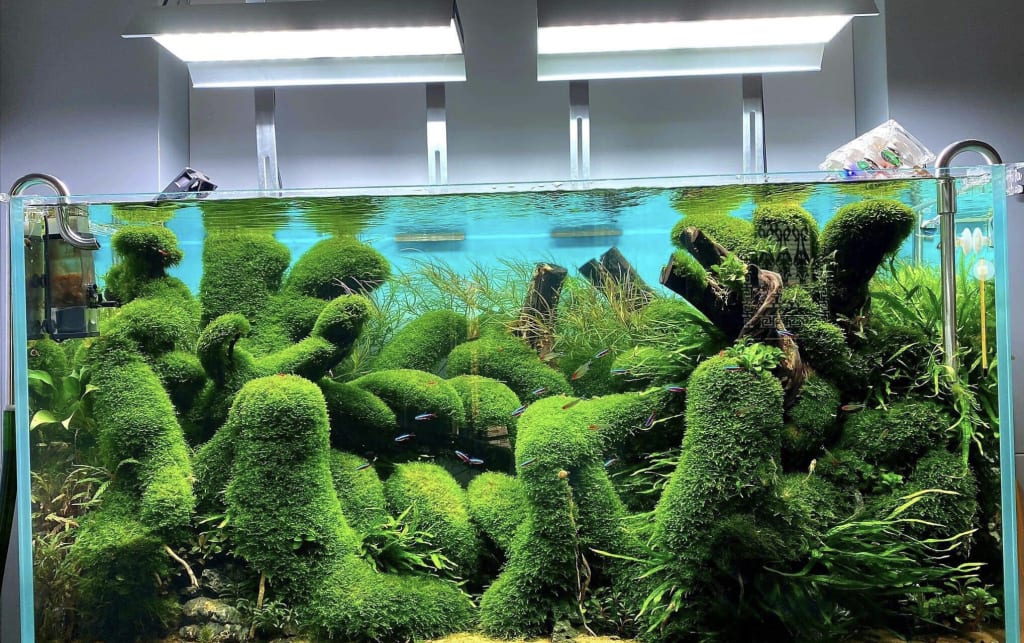
How to Create a Beautiful Nature Style Aquarium in a Small Space
Aquariums are a popular form of interior decoration, and Nature Style is a favorite for its natural and comfortable appeal. Here's a detailed guide on how to create a stunning Nature Style aquarium in a small space.
BASIC ELEMENTS TO BUILD NATURE STYLE FOR AN AQUARIUM Nature Style aims to recreate natural landscapes in a small space, providing an ideal habitat for fish and aquatic plants. The harmonious combination of the following elements is crucial:
1. Choose a Tank
Size and Depth: Select a tank that fits your space and meets the needs of the fish and plants. Glass or acrylic tanks are preferred for their clarity and sophistication.
Shape: Rectangular tanks are generally easier to design and maintain.
2. Choose Aquatic Plants
Types of Plants: Pick plants that suit the tank size, such as Anubias, Java Fern, and Moss Balls, which are common in Nature Style aquariums.
Light, pH, Temperature, and Nutrients: Ensure the plants you choose are compatible with the light, pH, temperature, and nutrient levels of the water in your tank.
3. Choose Stone and Wood
Stone and Wood: Use natural materials like granite, quartz, limestone, or basalt to create landscapes like hills, mountains, rivers, and caves. Ensure these materials are aquarium-safe.
Decorative Elements: Choose stones and wood pieces that complement the tank size and design.
4. Shape the Ground
Substrate: Use gravel, sand, quartz, or aquarium soil to create a natural-looking substrate. Ensure it is level to provide a stable base for plants and fish.
Natural Curves and Slopes: Design the substrate with natural curves and slopes to enhance the natural look and support plant placement.
5. Install a Filtration System
Filtration Types: Use mechanical, chemical, and biological filters to keep the water clean and safe for fish and plants. Regular maintenance of the filtration system is essential.
Water Quality: Monitor light, temperature, and pH levels to maintain an ideal environment for the aquarium's inhabitants.
AQUARIUM LAYOUT AND DESIGN
1. Select Location
Natural Light: Place the aquarium in a spot with indirect natural light, avoiding direct sunlight to prevent algae growth.
Quiet Environment: Ensure the location is free from noise and dust to maintain a peaceful setting for the aquarium.
2. Design
Harmonious Combination: Create a balance between natural elements and the tank's design. Use decorative stones, plants, and a flat substrate to build a dynamic and sophisticated layout.
Natural Curves: Incorporate gentle curves and natural shapes to connect different parts of the aquarium seamlessly.
3. Arrange
Balance Elements: Distribute plants, stones, fish, and decorative items evenly to create a visually appealing and balanced space.
Height and Depth: Place taller plants at the back and shorter ones at the front to create depth and perspective.
4. Create Highlights
Focal Points: Add features like a water wall, mist system, decorative stone path, or a unique filter to draw attention and enhance the aquarium's aesthetics.
5. Maintenance
Regular Checks: Maintain the filtration system, monitor water quality, and check oxygen levels frequently.
Consistent Environment: Keep light, temperature, and pH levels stable to ensure a healthy habitat for fish and plants.
CHOOSE PLANTS AND ANIMALS FOR THE AQUARIUM
1. Choose Plants
Light Requirements: Ensure the chosen plants receive adequate light. Use LED aquarium lights if natural light is insufficient.
Substrate Compatibility: Select plants that thrive in the chosen substrate, whether it's gravel, sand, or aquarium soil.
Water Conditions: Pick plants that match the water's pH and nutrient levels.
2. Choose Animals
Types of Fish and Invertebrates: Choose small fish like Neon Tetras or Rasboras, and invertebrates like Amano Shrimp or Red Cherry Shrimp.
Tank Size Considerations: Avoid overstocking the tank to prevent resource competition and stress among inhabitants.
Compatibility: Ensure the selected species can coexist peacefully without aggression or predation.
MAINTENANCE AND CARE
Water Changes: Regularly replace a portion of the water to remove waste and replenish nutrients.
Lighting Control: Use timers for aquarium lights to mimic natural day-night cycles.
Feeding: Feed fish and invertebrates the right amount of appropriate food to prevent overfeeding and water pollution.
Water Testing: Regularly test water parameters to ensure a stable environment.
Plant Care: Trim and prune plants to prevent overgrowth and maintain a neat appearance.
Filter Maintenance: Clean and replace filter media as needed to keep the filtration system efficient.
Creating and maintaining a Nature Style aquarium requires attention to detail and consistency. With proper planning and care, you can enjoy a beautiful, serene aquatic environment that enhances your living space.
Experience Playing in Aquariums: Creating Balance in the Environment
An aquarium is like a miniature natural ecosystem, and maintaining balance is essential for the health and growth of fish and aquatic plants. Here are some key experiences and tips to help you create and sustain a balanced aquarium environment.
Key Experiences and Tips for Aquarists
Reasonable Tank Height
Optimal Height: Choose a tank height that allows easy maintenance and proper light penetration. Tanks that are too tall can make it difficult for light to reach the bottom, hindering plant growth.
Water Circulation: Ensure the height facilitates good water circulation, essential for oxygen distribution and waste removal.
Choosing the Right Style
Aesthetic Preferences: Select an aquarium style that aligns with your personal aesthetic tastes and preferences. Nature Style, Dutch Style, and Iwagumi are popular options.
Consistency: Maintain consistency in style to create a cohesive and visually pleasing environment.
Open-Top Aquariums
No Lid: Avoid using lids as they can trap heat and limit gas exchange. Open-top aquariums allow for better oxygenation and more natural light.
Safety Measures: Ensure fish species that are prone to jumping are not kept in open-top tanks unless covered appropriately.
LED Lighting
Efficiency: Use LED lights for their excellent lighting performance, energy efficiency, and long lifespan. They provide the right spectrum for plant growth and enhance the colors of fish.
Light Control: Install a timer to simulate natural day-night cycles, which helps reduce stress for fish and supports healthy plant growth.
About the Creator
Ken Daklak
Telling stories my heart needs to tell <3 life is a journey, not a competition
If you like what you read, feel free to leave a tip,I would love some feedback
https://s.shopee.vn/VwwLTGLe9
Keep reading
More stories from Ken Daklak and writers in Petlife and other communities.
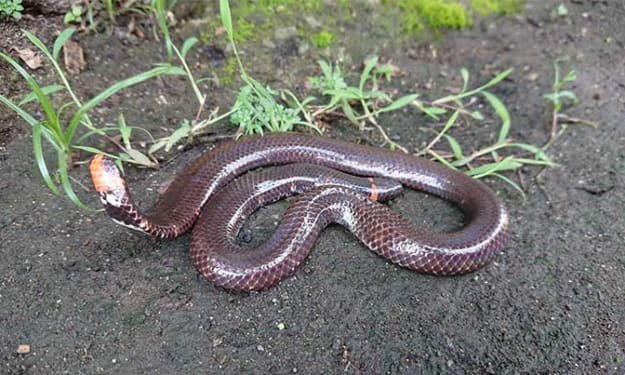
Decoding the mystery of the "two-headed" snake in Vietnam
In Vietnam, there exists a species of snake that, according to folklore, has two heads and has deadly venom. So what is that snake and is it really that poisonous? The following article will give you the answer.
By Ken Daklak2 years ago in Petlife
A Dart at Dusk
Seconds ago, the sullen sun set on the two of us… my exuberant furry companion and me. A fresh breeze embraces us, delivering welcome relief from the day’s oppressive heat. His typical stumbling and staggering along — apace with a sloth — has turned into trip-trapping, high-stepping, almost skipping along.
By Angie the Archivist 📚🪶4 days ago in Petlife
Frozen Clash: Wolf vs Bear
The morning light broke gently over the snow-covered wilderness, turning the frost into a blanket of sparkling diamonds. The forest was silent except for the soft whisper of wind moving through the icy branches. Every tree was coated in white, and the frozen ground glistened under the soft sunlight. In this serene landscape, life thrived in quiet ways, even in the harshest winter conditions.
By Bilal Mohammadi6 days ago in Petlife



Comments (2)
Very inspiring read, thanks for sharing. Please develop it further so I can have more of this interesting knowledge
Thank you for sharing your experience, the aquariums are very beautiful